
 English
 Français
 Español
 عربى
عربى

How Often Should Office Desk Chairs with Wheels Be Serviced or Replaced
Home / News / Industry News / How Often Should Office Desk Chairs with Wheels Be Serviced or Replaced

Most people never think about the wheels on their office chair until one day the chair just won't roll right anymore. It starts making a weird noise, or it drags a little to one side, and suddenly you're staring down at four small plastic wheels wondering what happened. Office desk chairs with wheels are strange like that. They're one of the most-used pieces of furniture in any workspace, yet almost nobody pays attention to them until something feels off.
So the real question worth asking is: how often do these things actually need checking, cleaning, or swapping out? There's no single answer that fits every office, but once you understand what wears wheels down, the timing becomes pretty easy to figure out on your own.
A wheel is a simple piece of hardware. Round, spins on an axle, rolls across a floor. Nothing complicated about it. But that simplicity is exactly why people underestimate how much stress it takes on over the course of a workday.
Think about how many times a chair gets pushed back from a desk, rolled forward, spun around to grab something off a shelf, then pushed back again. Dozens of small movements, every single day. Dust gets pulled in. Hair wraps around the axle. Crumbs from lunch at the desk end up jammed in the wheel housing without anyone noticing.
Here's something that surprises a lot of office managers: the same chair can behave completely differently depending on what floor it's sitting on. Carpet fibers tend to catch and wind around the wheel core, slowing rotation over time. Hard floors like tile or polished concrete wear down the outer wheel material faster since there's no cushioning to soften the impact.
Move a chair from a carpeted meeting room to a hardwood-floored office, and don't be surprised if the wheels start showing wear at a different pace than they did before.
Humidity and temperature swings can affect the materials wheels are made from. Offices in humid climates sometimes notice wheels stiffening or becoming brittle sooner than expected, while drier, temperature-controlled spaces tend to be gentler on the material.
A squeaky wheel isn't just annoying, it's usually the first warning sign of something building up inside the mechanism. Here's a rough guide to what different symptoms usually mean.
| What You Notice | What's Probably Going On | What Helps |
|---|---|---|
| Squeaking or grinding | Dust buildup in the wheel housing | Clean and lubricate the axle |
| Chair feels harder to push | Hair or fiber wrapped around the core | Remove the debris by hand |
| Marks left on the floor | Worn wheel material, or wrong type for the floor | Match the wheel to the flooring |
| Chair tilts slightly | One wheel spinning slower than the rest | Check all four for uneven wear |
| Wheel won't turn at all | Internal damage or heavy buildup | Swap that wheel out |
None of these are emergencies on their own, but ignoring them long enough tends to make the fix more annoying than it needed to be.
This is where a lot of people overthink it. In most cases, a chair doesn't need a full replacement just because one wheel is being difficult.
If the wheels still spin but sound rough or feel gritty, that's almost always buildup, not real damage. Wipe down the axle, clear out whatever's tangled in there, add a small amount of lubricant. Problem solved, most of the time.
Sometimes it's just one wheel doing all the work, especially in chairs that sit near a printer or a shared desk where people are constantly spinning around. Swapping out that single wheel is usually cheaper and faster than replacing the entire base.
A quick way to check without overthinking it: lift the chair slightly and spin each wheel by hand. It should turn freely, no catching, no wobble. Then push the chair in a straight line across the floor. If it pulls to one side or drags, you've found your problem area.
There isn't a magic number here, because it really comes down to how the chair gets used day to day.
For a home office where the chair gets used a few hours a day, a casual glance every couple of months is usually plenty. Maybe a proper cleaning once or twice a year, more out of habit than necessity.
Shared offices are a different story. When a chair gets rolled around constantly, sometimes by more than one person across different shifts, the wheels take a heavier beating. In these setups, checking in monthly and doing a deeper clean every few months tends to keep things running smoothly.
Then there are places like call centers, co-working spaces, or training rooms, where dozens of chairs get moved around all day by different people. Facilities teams in these environments often just build wheel checks into their regular maintenance routine instead of waiting for someone to complain.
None of this requires special tools or products. Just a bit of attention here and there.
Small stuff, but it adds up over months and years of use.
At some point, repairing wheels one at a time stops being worth the hassle.
If a chair has been in use for years and other parts are showing wear too, the base, the cylinder, the frame, it might make more sense to think about the chair as a whole rather than patching individual pieces.
Safety is the other big factor. A wheel that locks up unexpectedly, or causes the chair to tip slightly when someone sits down fast, isn't just inconvenient. That's a real concern, especially in busy offices where people move quickly between desks. When it gets to that point, replacement is the safer call, not a temporary patch.
And sometimes it just comes down to cost. Fixing one wheel here, another one a few months later, can end up costing about the same as replacing the set outright. Worth thinking about over a longer stretch of time rather than one repair at a time.
Getting the wheel material to match the floor makes a real difference in how long the next set lasts.
| Floor Type | Wheel Material That Tends to Work Well | Why |
|---|---|---|
| Carpet | Harder wheel material | Glides through fibers instead of catching |
| Hardwood or laminate | Softer wheel material | Reduces scratching and noise |
| Tile or concrete | Softer or cushioned material | Absorbs impact, easier on the floor |
| Mixed flooring | Dual-material or universal wheels | Handles transitions between surfaces |
For businesses ordering chairs in bulk, it's worth thinking ahead about how many people will be using them and how often. A chair that sits mostly unused in a spare office has very different wheel needs compared to one shared across three shifts in a busy call center.
It's easy to write wheels off as a minor detail, but they affect posture, comfort, and even safety more than people give them credit for. A chair that rolls unevenly can quietly cause someone to shift their sitting position without even noticing, and that kind of small strain adds up over a full workday.
For companies sourcing custom office desk chairs with wheels for their teams or clients, thinking about flooring type and daily usage before placing an order can save a lot of headaches later. It's one of those details that's easy to skip during the buying process, but it shapes how well the chairs hold up once they're actually in use.
Office chair wheels don't need constant babysitting, but they're also not something to completely ignore. A quick check now and then, a bit of cleaning when things start sounding rough, and knowing when a single wheel swap makes more sense than replacing the whole chair, that's really all it takes to keep things rolling the way they should.
When the wear does start to show, the decision between a quick clean, a partial fix, or a full replacement usually comes down to how the chair's been used, how old it is, and whether safety has become part of the equation. Paying a little attention to this overlooked part of office furniture tends to pay off in fewer complaints and fewer chairs needing early replacement.
If you have any questions, please fill out the contact form at the bottom of the page and contact us.
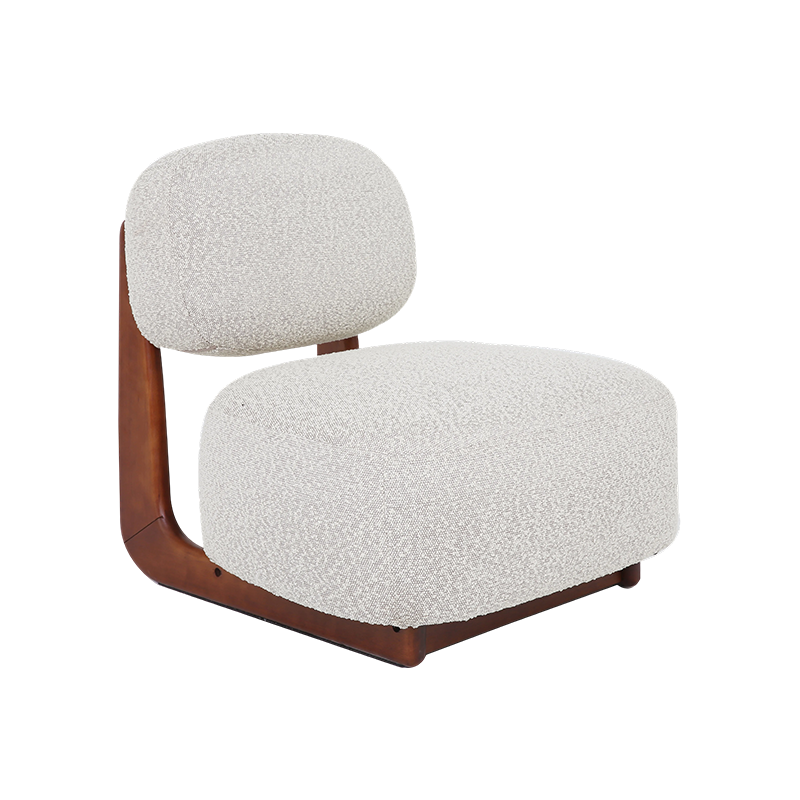 ISLA White Boucle Fabric, Wooden Base, Armless Oversized Decorative Chair / Recliner
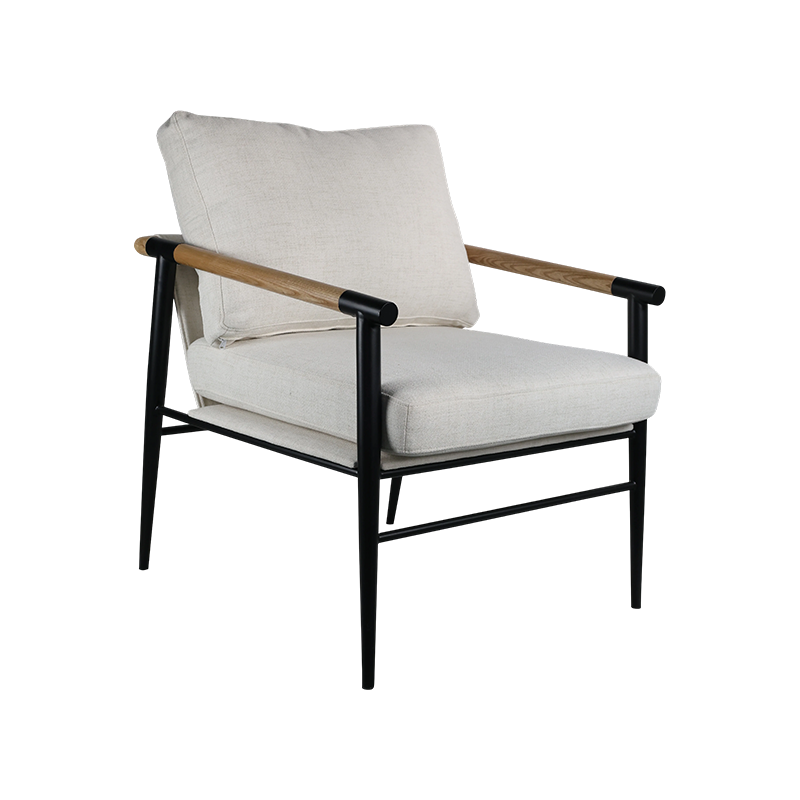 MIRANDA Metal Frame, Wooden Armrests, Minimalist Fabric Upholstered Chair
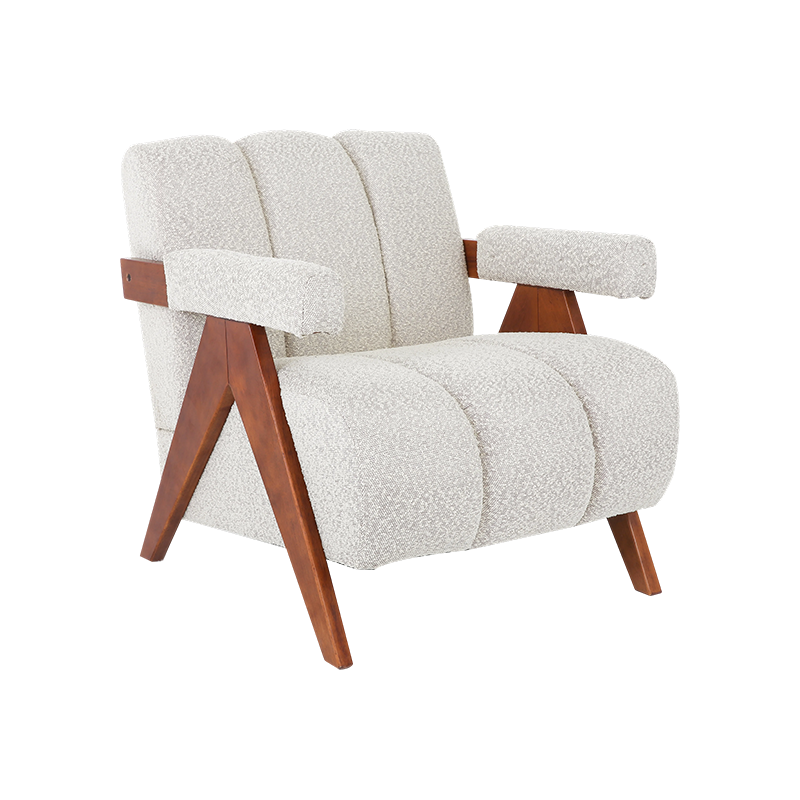 ISLABELLA Rubber Wood Frame with Boucle Fabric, Stylish Lounge Chair
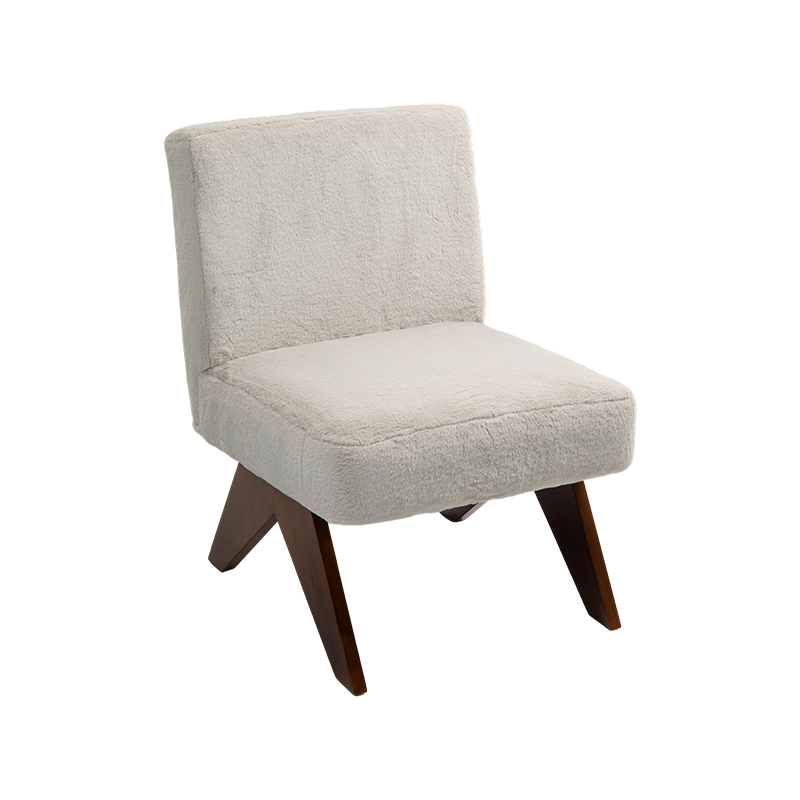 ATTICUS Armless Accent Chair with Loop Velvet Fabric, Rubber Wood Legs in Walnut Finishing
Kangyi Road, Kangshan Industrial Park, Dipu Subdistrict, Anji County, Zhejiang Province, China 313300
Copyright © Anji Partner Furniture Co., Ltd. All Rights Reserved.
Custom Armchairs and Accent Chairs

 Prev
Prev