
 English
 Français
 Español
 عربى
عربى

How Furniture Wholesalers Vet Ergonomic Bar Stool Manufacturers Before Placing Orders
Home / News / Industry News / How Furniture Wholesalers Vet Ergonomic Bar Stool Manufacturers Before Placing Orders

Sourcing bar stools sounds simple until you actually try to do it at scale. A wholesaler placing a bulk order isn't just buying a product, they're betting on a factory's consistency, honesty, and ability to deliver the same quality on unit five hundred as they did on unit one. That's why smart buyers don't just compare price sheets. They run a quiet, methodical check on the people behind the product before any deposit gets wired.
Anyone can send a nice-looking catalog. The real question a wholesaler needs answered is whether the factory sending that catalog can actually reproduce what's in the photos, at volume, without the seams coming apart after six months of restaurant use.
A low quote with no track record behind it is often a warning sign rather than a bargain. Experienced buyers know that a manufacturer's willingness to answer detailed questions honestly, even when the answer isn't flattering, says more about long-term reliability than a polished product page ever could.
Before diving into materials or certifications, most buyers start with something simpler: does this factory feel like a real, functioning business, or does it feel like a trading company wearing a manufacturer's name tag?
A few quick signals help answer that:
If those answers come easily and consistently, it's usually a sign the vetting process is worth continuing.
Once a wholesaler decides a factory is worth a closer look, attention shifts to the business itself rather than the product photos.
How long has the company been making seating, and has that focus stayed consistent, or did they pivot from another category last year chasing demand. A factory with a steady history in chairs and stools tends to have already worked through the common failure points, things like frame stress at welded joints or seam wear on upholstery, long before a wholesaler ever places an order.
Facility scale matters too, though not in the way people assume. A larger factory isn't automatically better suited to every buyer. A wholesaler ordering a few hundred units a season might actually get more attention and flexibility from a mid-sized operation than from a facility built around massive minimum runs. The right fit depends on order volume and how much customization is needed, not on which factory has the biggest floor space.
Certifications get mentioned constantly in sourcing conversations, but not all of them carry equal weight. Wholesalers who've been burned before tend to ask a slightly different question: not just "do you have certification," but "can you show documentation tied to this specific product line."
A factory that can produce relevant compliance paperwork on request, covering material safety and structural testing standards recognized in the buyer's target market, is operating differently than one that just lists acronyms on a webpage without backup. It's a small distinction that separates a paperwork exercise from an actual quality system.
Photos show a finished piece under studio lighting. They don't show whether the foam density holds up after a year of daily seating turnover, or whether the fabric color batch from March matches the one from October.
This is where a lot of wholesalers get quietly disappointed after their first order. The sample looked great, the first shipment looked great, and then batch three arrived with a slightly different fabric texture or a frame finish that wasn't quite the same shade.
Reasonable questions to ask a potential supplier include:
A factory that has clear answers to these questions, rather than vague reassurances, is generally easier to build a repeat relationship with.
Bar stools take more abuse than most furniture categories. They get spun, leaned back on, kicked, and used by people of very different body types throughout a single day in a commercial setting. Wholesalers who supply hospitality or retail clients tend to ask whether structural testing has been done under conditions that resemble actual use, not just a static factory bench test.
The point isn't to demand a stack of technical documents nobody will read. It's to confirm the manufacturer has actually tested the product against the kind of wear it'll face once it leaves the warehouse.
A sample order tells a wholesaler things a phone call never will. It's not just about whether the stool looks right, it's about the entire experience surrounding that single unit.
Things worth paying attention to during a sample stage:
A sample that arrives late with no explanation is a preview of what a full order timeline might look like. A factory that flags a potential delay early, and explains why, is showing the kind of transparency that matters once real money and real deadlines are involved.
This part gets overlooked constantly, but experienced wholesalers treat it as one of the more telling parts of the vetting process. How a factory communicates during the inquiry stage often predicts how they'll communicate once a problem shows up mid-production.
Do responses come from one consistent contact who understands the account, or does every email get a different reply from someone who seems unfamiliar with the previous conversation. Are questions answered directly, or does every reply circle back to "no problem, we can do it" without addressing the actual concern raised.
None of this replaces contracts or documentation, but it's a practical, low-cost way to gauge whether a working relationship will be smooth or frustrating.
Minimum order quantities and lead times get negotiated constantly, but the more useful question for a wholesaler is how a factory handles requests that fall outside their usual pattern.
| Sourcing Consideration | What to Ask the Manufacturer | What the Answer Usually Reveals |
|---|---|---|
| Minimum order quantity | Is there flexibility for a smaller first order to test the market | Whether the factory is open to building a relationship gradually |
| Lead time | What causes delays most often, and how is that communicated | How transparent the factory is when things don't go as planned |
| Customization | Can seat height, frame finish, or upholstery be adjusted without a full redesign fee | Whether OEM or ODM capability is real or just advertised |
| Reorder consistency | Will a repeat order months later match the original specification | How well the factory documents and tracks production specs internally |
A factory that treats every question in this table as reasonable, rather than defensive, is usually easier to work with long term.
A few patterns tend to show up repeatedly in sourcing conversations that later go wrong. None of these alone means a factory should be ruled out immediately, but stacked together, they're worth pausing over.
Wholesalers who've sourced furniture for years often say the biggest lesson wasn't learned from a factory that clearly failed, it was learned from one that seemed fine on paper but couldn't answer simple follow-up questions with any specificity.
Vetting isn't just a one-time gate before the first order, it's an ongoing habit throughout the relationship. Wholesalers who source successfully over years, rather than switching suppliers every season, tend to keep checking in even after trust is established.
That means occasionally asking for updated documentation, checking in on any changes to material sourcing, and staying alert if a factory's responsiveness starts to slip. A manufacturer that welcomes those check-ins, rather than treating them as an inconvenience, is usually the kind of partner worth sticking with as order volume grows.
Choosing an ergonomic bar stool manufacturers isn't really about finding the flashiest catalog or the lowest quote. It's about finding a factory that can explain its own process clearly, back up claims with actual documentation, and communicate honestly when something doesn't go as planned.
Wholesalers who build that kind of vetting habit into every new supplier relationship tend to spend less time firefighting quality issues later, and more time actually growing their business with a supplier they don't have to second-guess every season.
If you have any questions, please fill out the contact form at the bottom of the page and contact us.
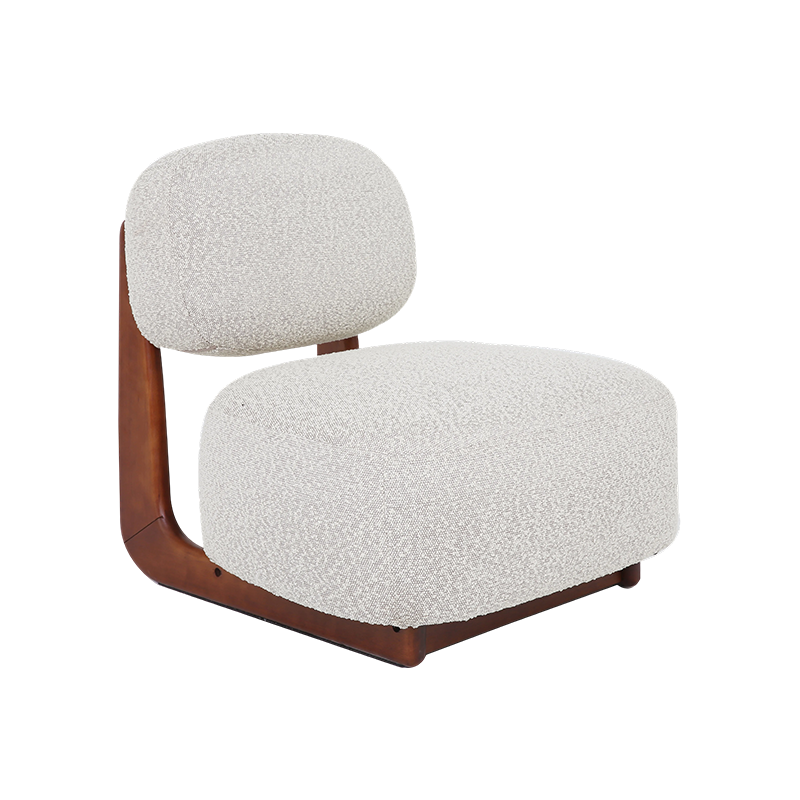 ISLA White Boucle Fabric, Wooden Base, Armless Oversized Decorative Chair / Recliner
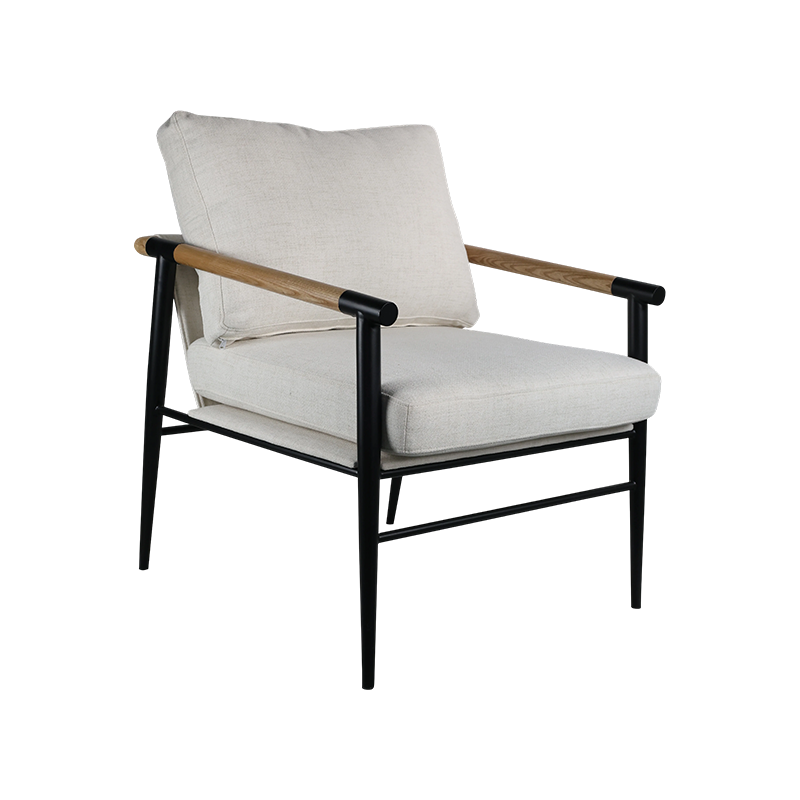 MIRANDA Metal Frame, Wooden Armrests, Minimalist Fabric Upholstered Chair
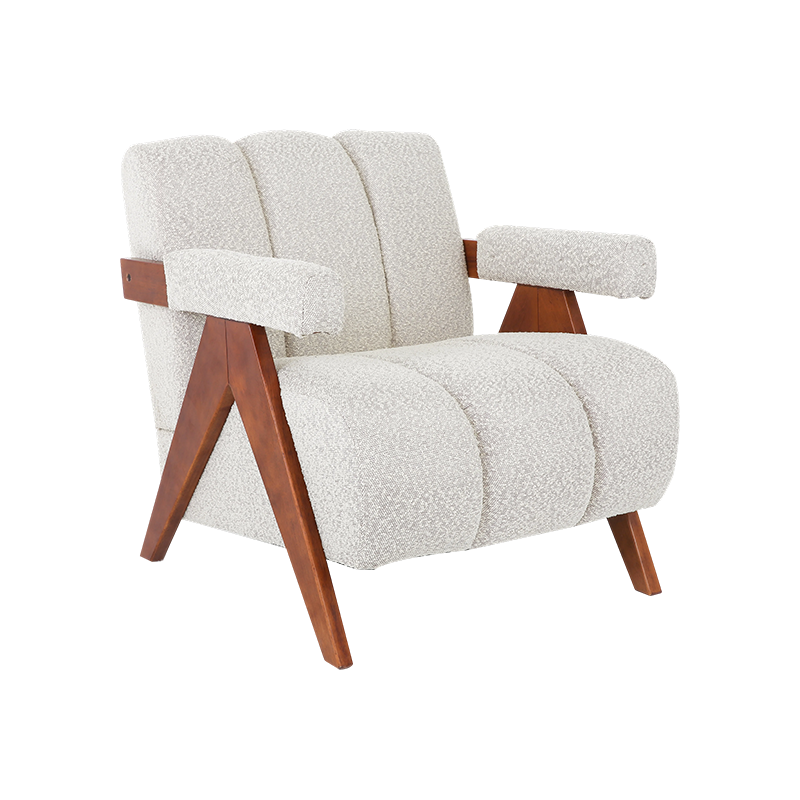 ISLABELLA Rubber Wood Frame with Boucle Fabric, Stylish Lounge Chair
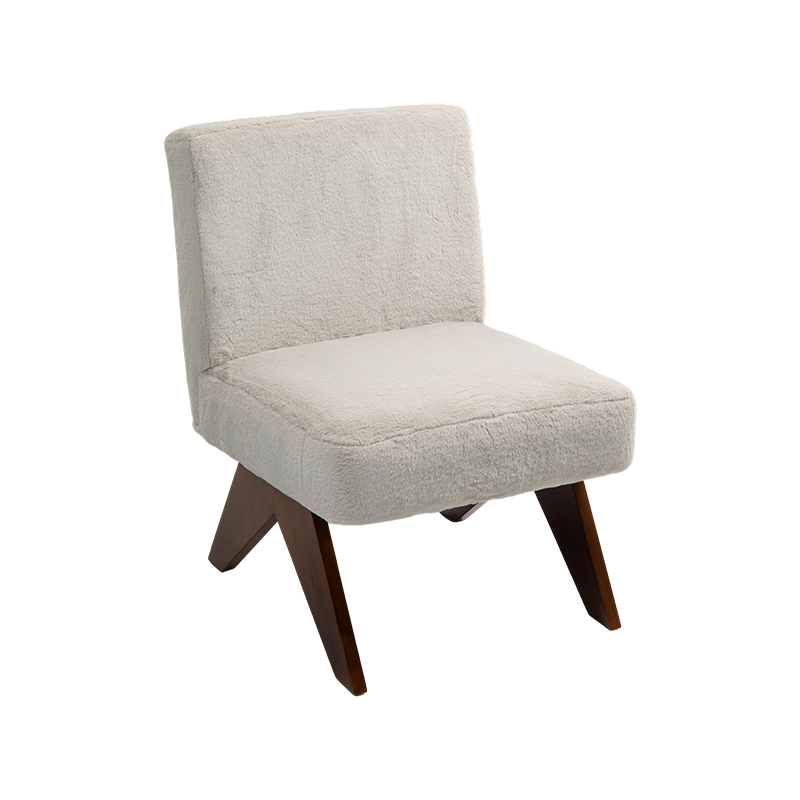 ATTICUS Armless Accent Chair with Loop Velvet Fabric, Rubber Wood Legs in Walnut Finishing
Kangyi Road, Kangshan Industrial Park, Dipu Subdistrict, Anji County, Zhejiang Province, China 313300
Copyright © Anji Partner Furniture Co., Ltd. All Rights Reserved.
Custom Armchairs and Accent Chairs

 Prev
Prev