
 English
 Français
 Español
 عربى
عربى



Stools Factory
-
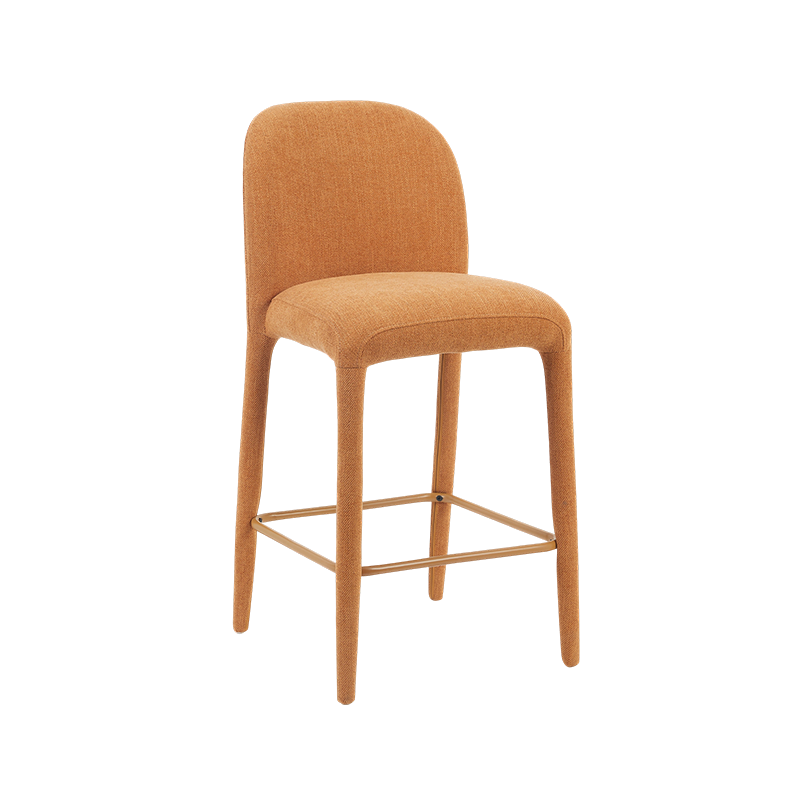
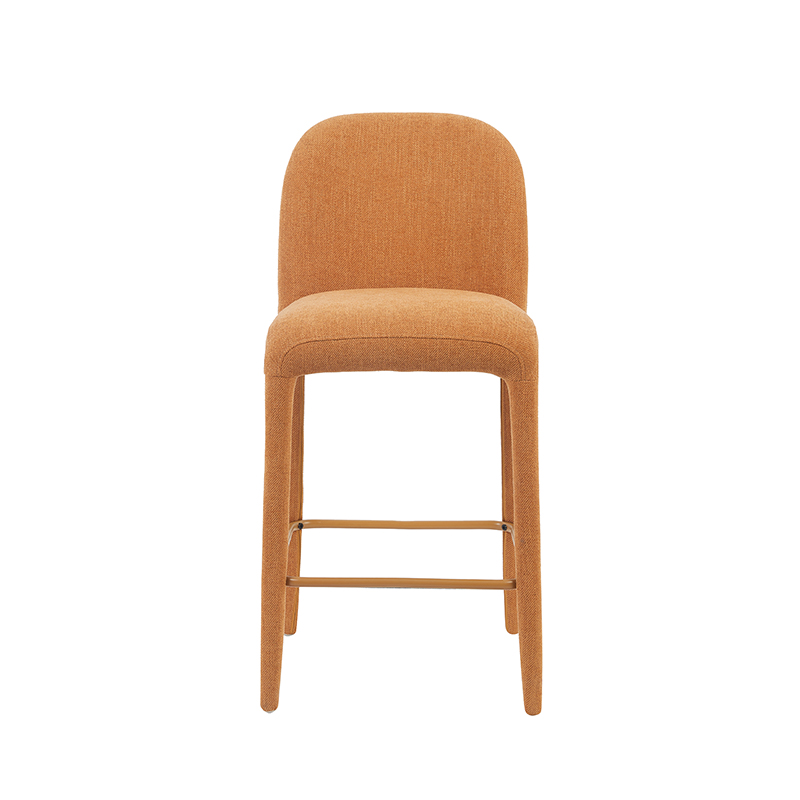 AURELow StoolAURE Fully Upholstered Bar Stool with Footrest
 -
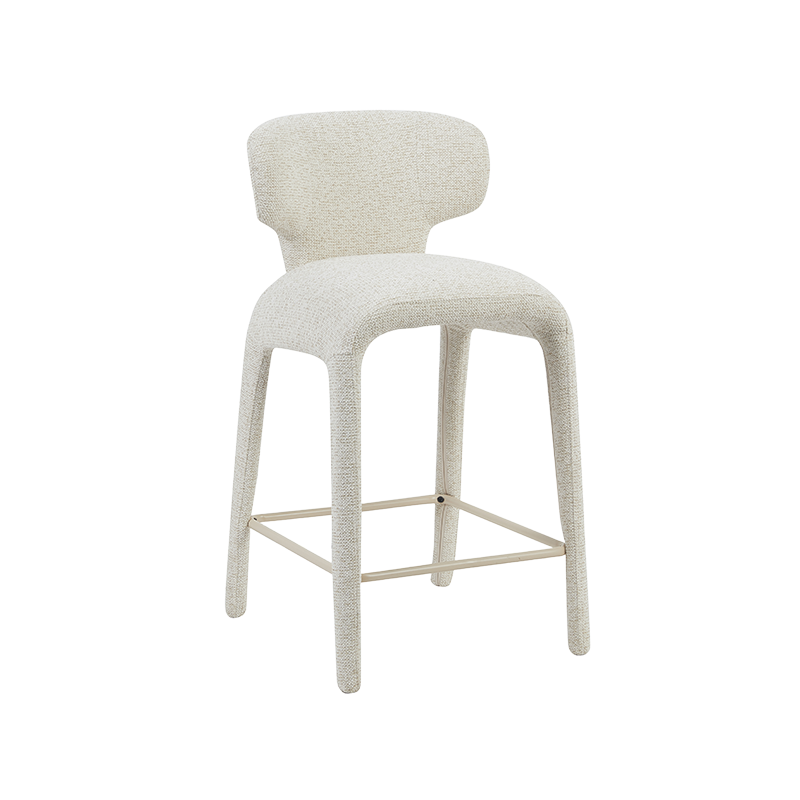
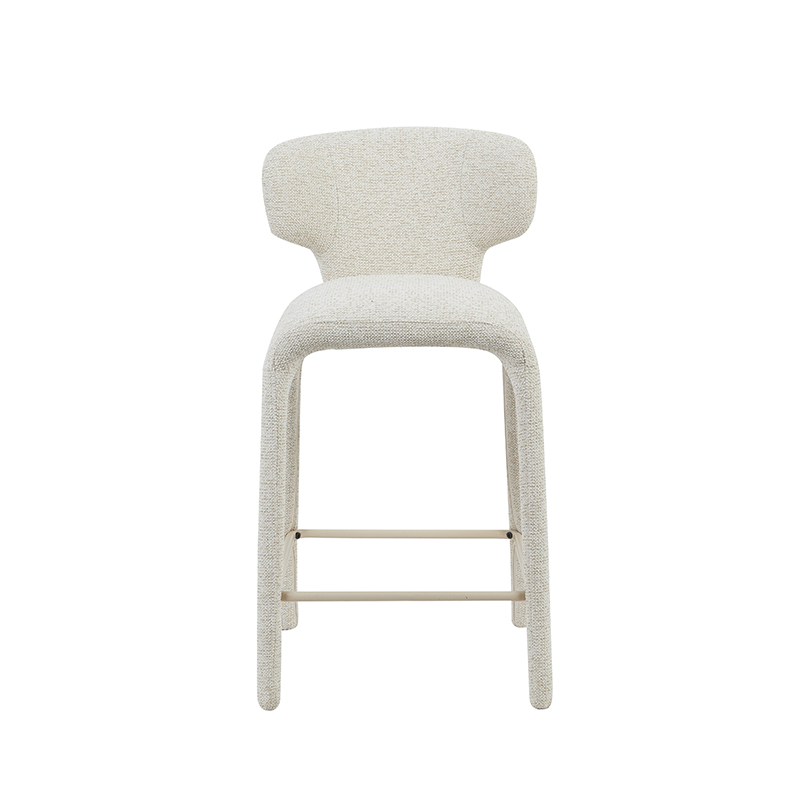 NOVALow StoolNOVA Full-Back Upholstered Bar Stool with Footrest
 -
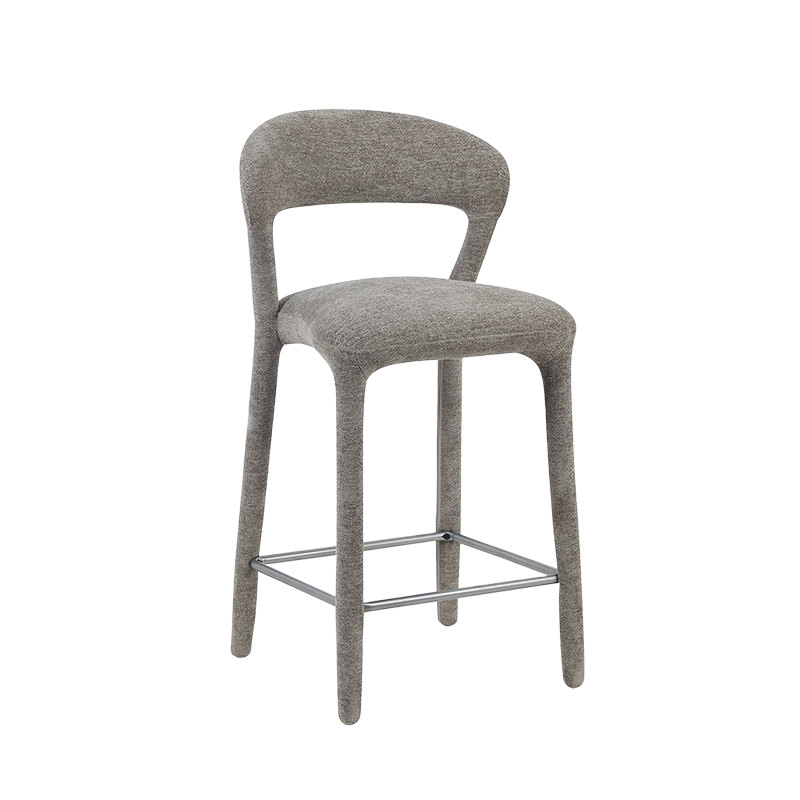
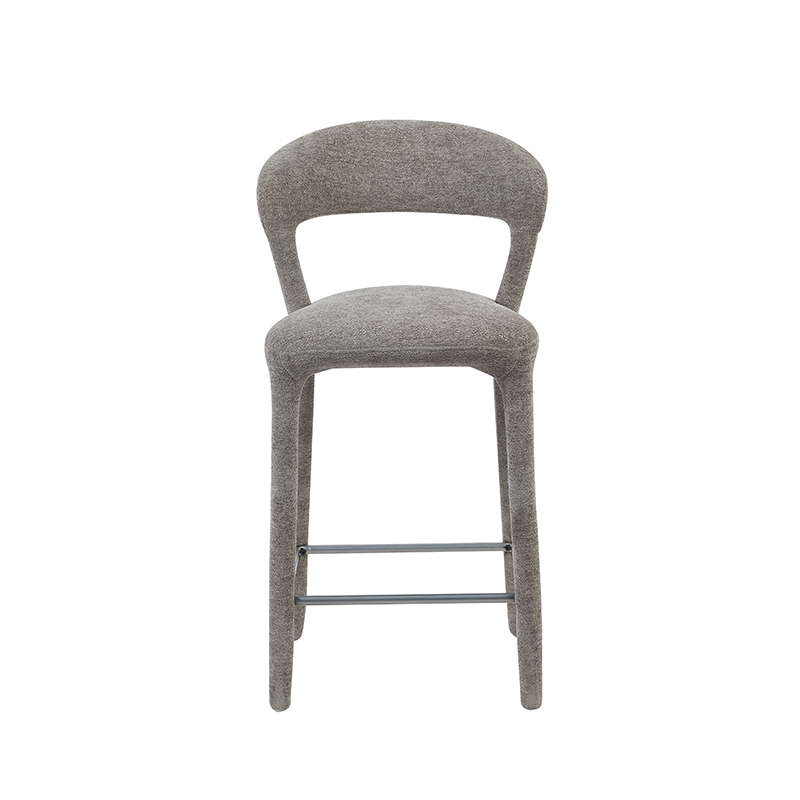 ALBALow StoolALBA Curved Back Fabric Bar Stool with Footrest
 -
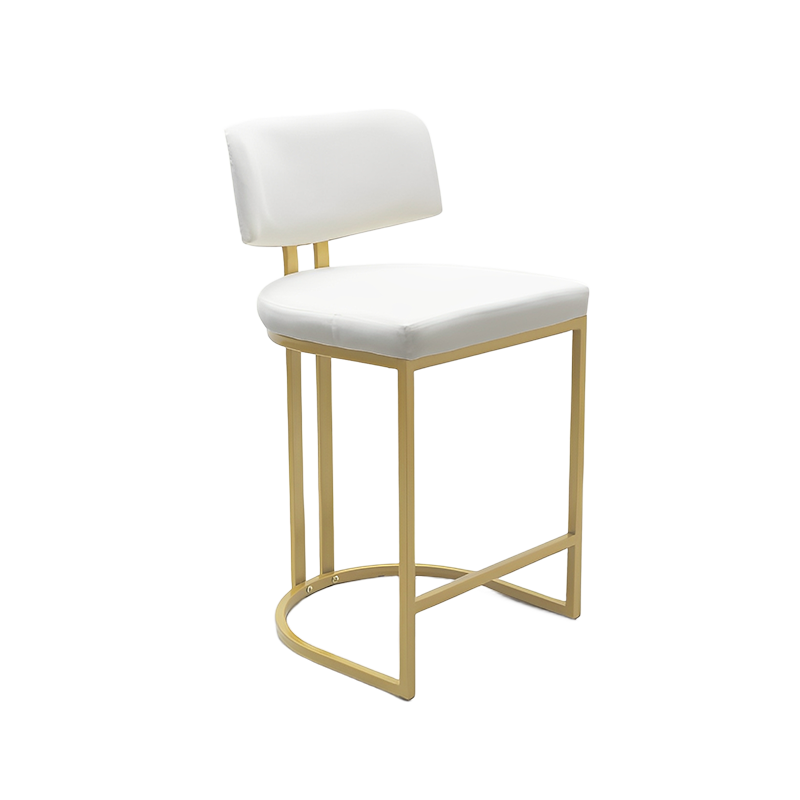
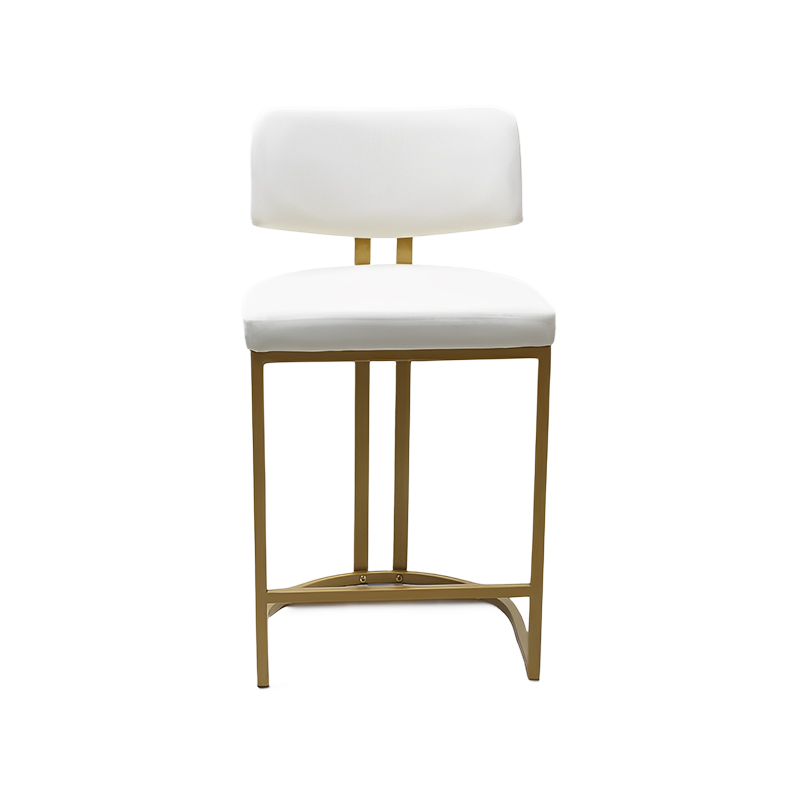 AIYANABar StoolAIYANA Modern Bar Stool with Upholstered Seat and Gold Metal Frame
 -
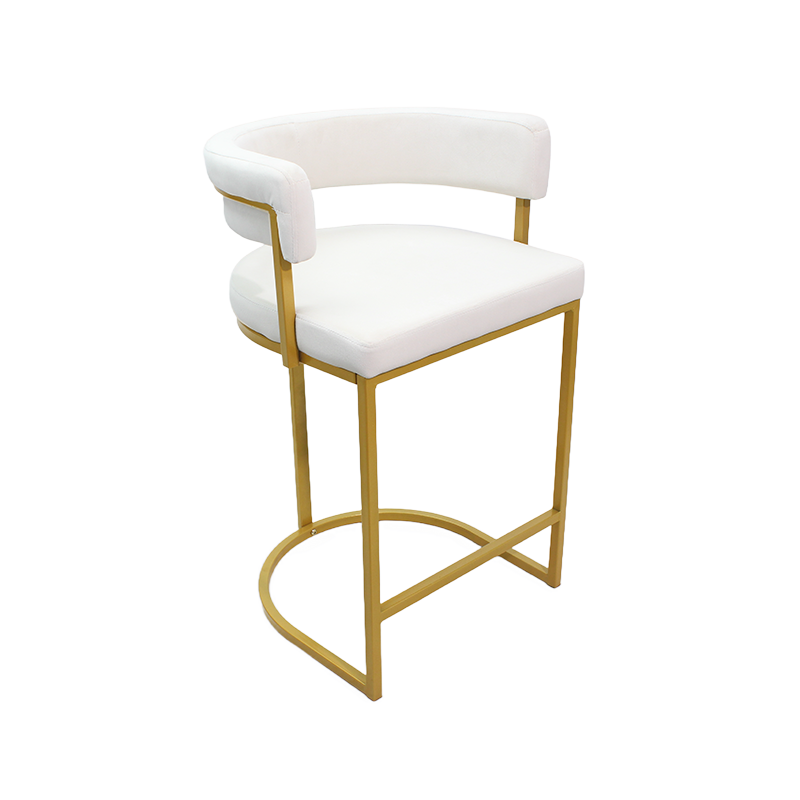
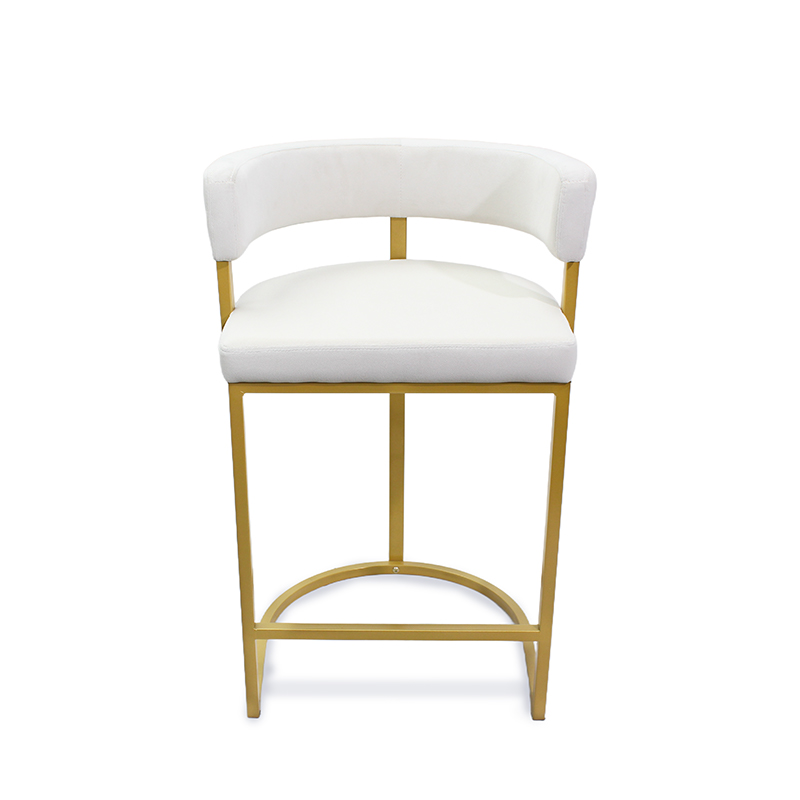 WILDERBar StoolWILDER Premium Fabric Bar Stool with Armrest & Footrest, Modern Design
Stools tend to be an afterthought in furniture ranges, but they’re often one of the steadier sellers — practical, relatively compact to ship, and useful in more settings than most buyers initially consider. Bar counters, kitchen islands, café fit-outs, entryways, bedroom corners — there’s consistent demand across all of them.
Our range covers both low stools and bar stools, with frames in solid wood, metal, and bentwood depending on the model. Seats are upholstered in fabric, bouclé, velvet, or PU leather, with leg finishes including natural walnut, black, and brushed options. Fixed and adjustable-height variants are available for bar stools, which matters more than people expect when buyers are sourcing for mixed counter configurations.
Construction is tested to EN13761 standards. We support OEM and ODM customization across seat upholstery, frame finish, height, and private labeling. Whether you’re adding stools to complement an existing chair range or building a standalone category, we can work with you on quantities that make sense for how you operate.

Founded in 2014, our company specializes in the design, production, and sales of furniture, with a main product line covering gaming chairs, office chairs, lounge chairs, dining chairs, bar stools, and various other seating solutions. Integrating R&D, manufacturing, sales, and after-sales service into a cohesive operation, we possess an experienced R&D team, a professional sales force, an efficient production department, and a rigorous quality control system, ensuring high-quality service across the entire chain from product concept to end-user delivery.
The company has obtained ISO9001 Quality Management System certification and complies with multiple international factory audit standards, including BSCI, SCS, and FCCA, consistently earning the trust of global clients through superior products and professional services. Over the past decade, we have deeply engaged in the furniture industry, continuously accumulating professional expertise while enhancing our sales and service capabilities.
Located in Anji County, Zhejiang Province, adjacent to the ports of Shanghai and Ningbo, the company benefits from an advantageous geographical location and convenient logistics, enabling efficient export of products to markets worldwide.
Our belief remains unwavering: When clients are in need, we are here with the expertise they seek.
If you are interested in
seating solutions
or related seating solutions, feel free to contact our team for more product information and customized support.
The height difference between counter stools and bar stools is one of the most common sourcing mistakes, and it generates returns. Counter height stools — designed for kitchen counters and island benches — typically have a seat height of 61–66cm, pairing with surfaces around 90cm high. Bar height stools are designed for traditional bar counters at around 105–110cm, requiring seat heights of 73–79cm. The problem arises when buyers or their customers assume these are interchangeable. They're not. A bar stool at a kitchen counter leaves users sitting uncomfortably high; a counter stool at a bar leaves them too low. When building a stool range, stocking both height options — or offering adjustable-height variants — eliminates this friction point entirely. Adjustable-height models with gas-lift mechanisms solve the problem cleanly for residential buyers who aren't certain of their counter height.
Footrest Placement and Why It Matters More Than It Looks
Footrests on bar stools are often treated as a design detail, but they have a genuine ergonomic function. Sitting at counter or bar height without foot support places significant load on the underside of the thighs, which becomes uncomfortable within 20–30 minutes. A well-positioned footrest at around 25–30cm below the seat height takes that pressure off and allows users to sit comfortably for longer. The footrest rail height and depth from the seat front are the two variables that determine whether it actually functions well. Footrests positioned too low force users to reach down; too close to the seat depth and users can't rest their feet naturally. For commercial buyers sourcing stools for restaurant and bar use, footrest durability — particularly the finish on a metal rail that will see regular shoe contact — is also worth specifying explicitly.
Weight Capacity and Structural Testing for Stools
Stools have a structural challenge that chairs don't face to the same degree: the load is concentrated on a smaller base, and the leverage forces on the joints when someone shifts their weight or leans are proportionally higher. EN13761 is the relevant European standard for seating in working positions, covering static load, fatigue, and drop tests. For commercial applications — particularly bar and restaurant environments — asking for EN13761 test reports is reasonable and tells you whether the stool will perform reliably under the weight range and usage patterns you expect. Weight capacity ratings in product listings vary in how they're arrived at; a figure backed by independent test certification is more meaningful than a manufacturer's stated figure alone. For residential retail, EN13761 compliance is increasingly expected even outside Europe, particularly among buyers supplying markets with strong consumer protection frameworks.
Kangyi Road, Kangshan Industrial Park, Dipu Subdistrict, Anji County, Zhejiang Province, China 313300
- +86 572-5339226
- +86 13305722117
- +86 133 0572 2117
- info@ajpartner.com
Copyright © Anji Partner Furniture Co., Ltd. All Rights Reserved.
Custom Armchairs and Accent Chairs
