
 English
 Français
 Español
 عربى
عربى



Wholesale Sofas & Lounge Chairs
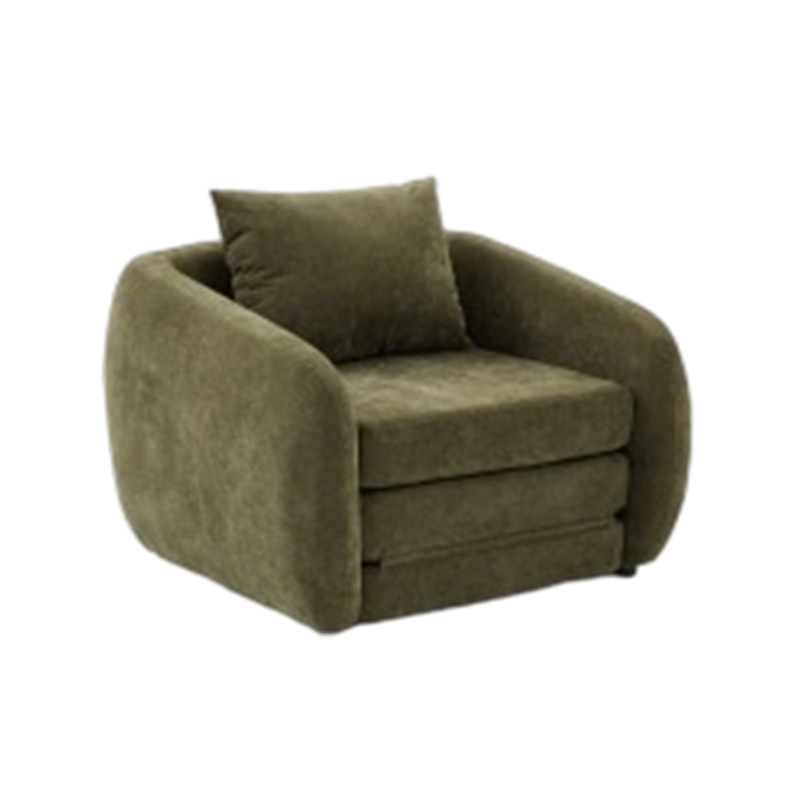
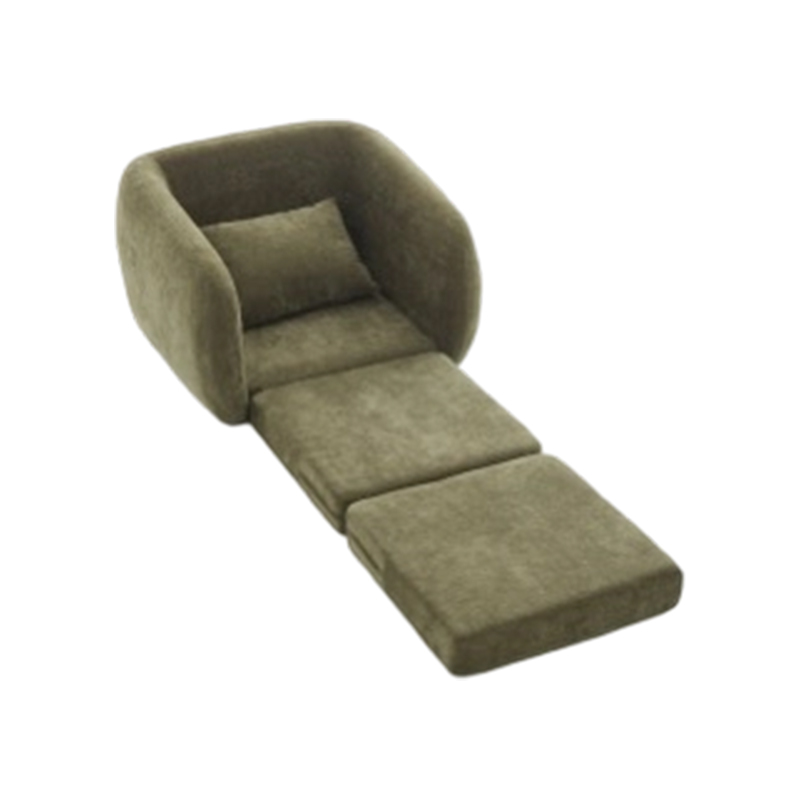
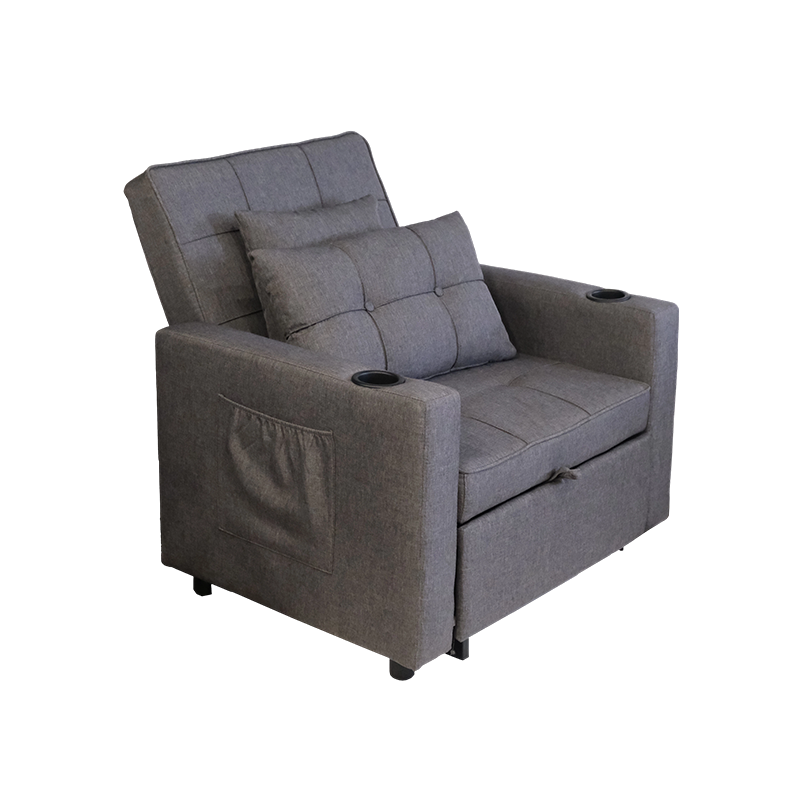
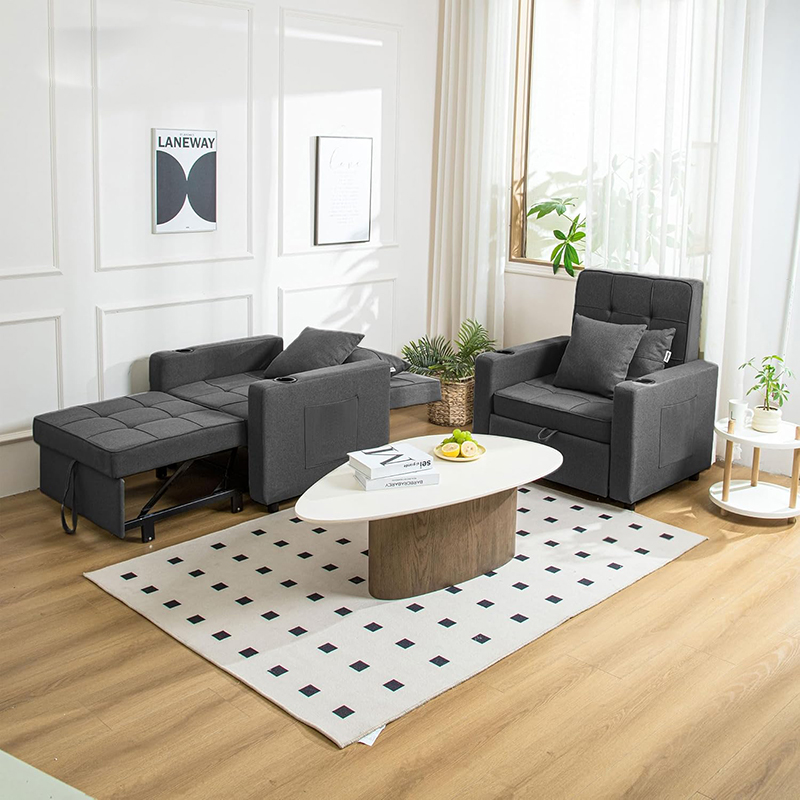
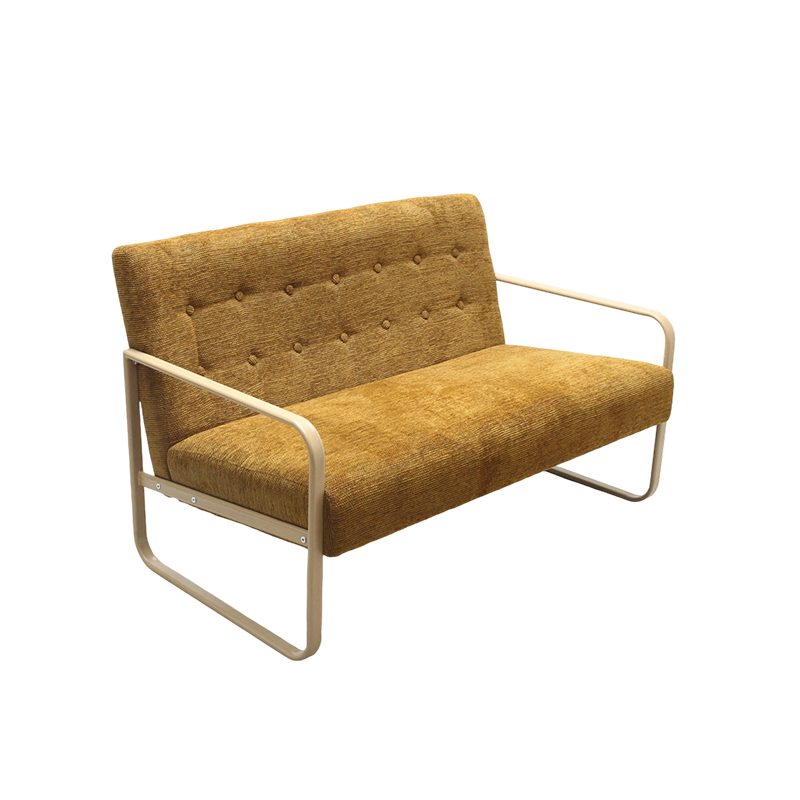
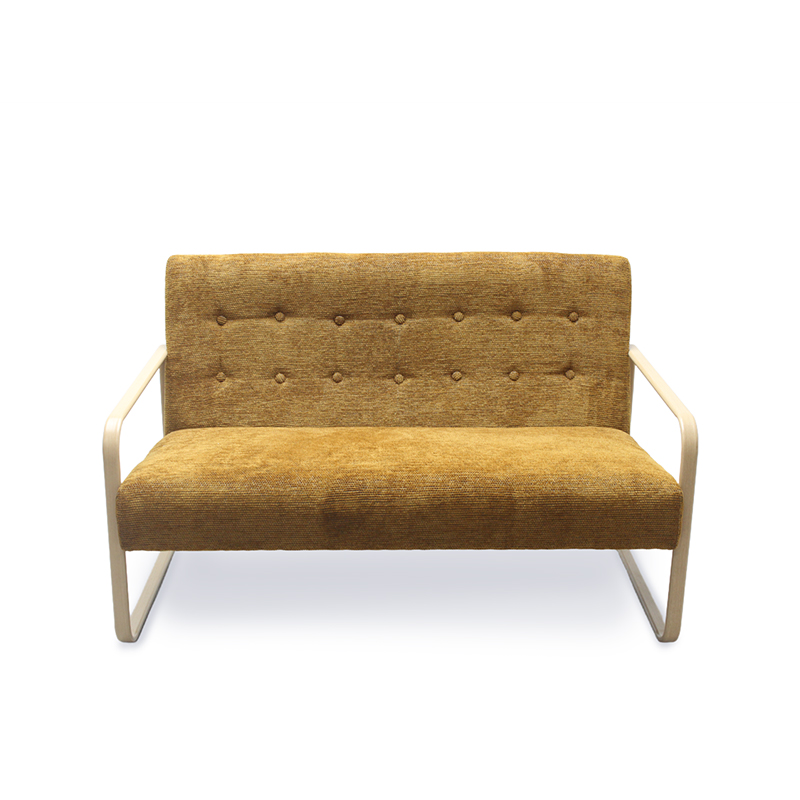
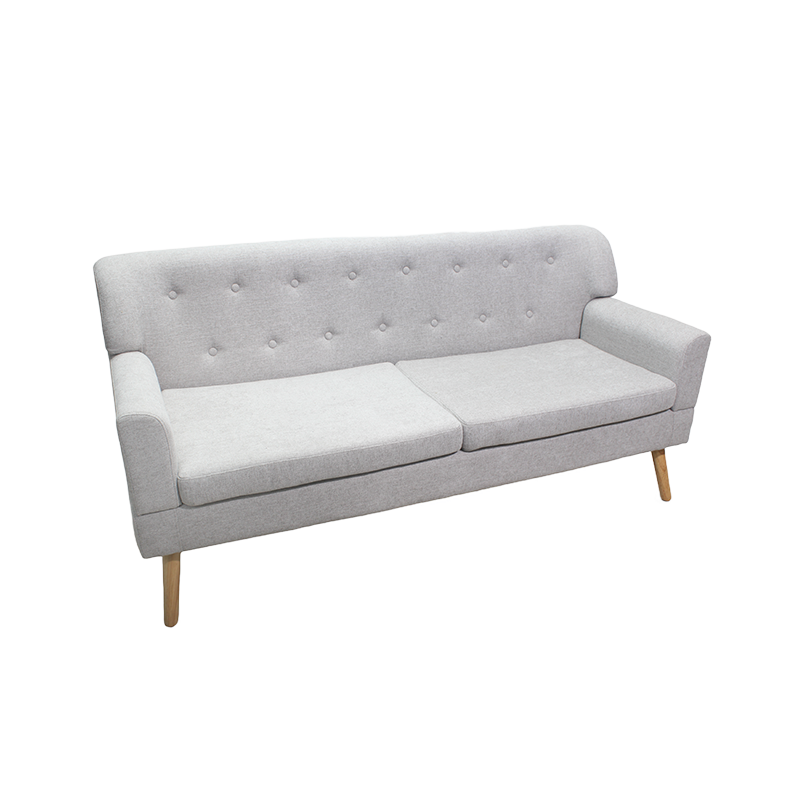
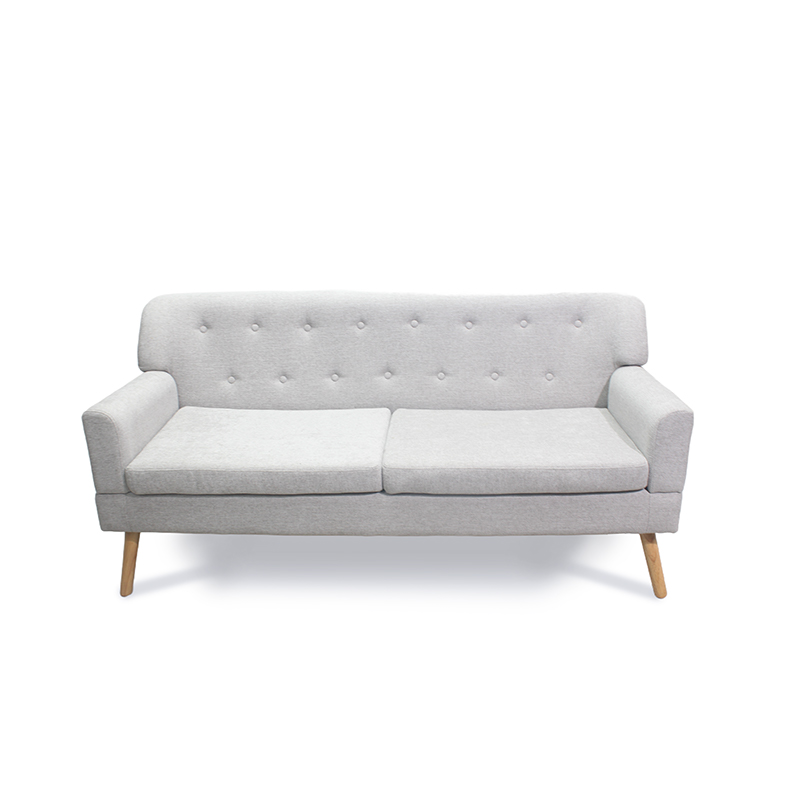
A sofa is one of those purchases — whether for a retail customer or a hotel project — where the gap between photography and reality really matters. We’ve heard enough stories from buyers who received containers that didn’t match the showroom sample to know that getting this right requires more than good design.
Our sofa and lounge chair range includes lounge chairs, sofa beds, two-seater sofas, and three-seaters, built on kiln-dried solid wood frames with high-resilience foam cushioning. Fabric options run from bouclé and velvet to performance linen and PU leather — chosen not just for appearance but for how they hold up after a year of regular use. Frame joinery is reinforced at stress points, and every batch goes through structural checks before leaving our facility.
Customization is a real part of what we do here, not an afterthought. Dimensions, fabric, cushion density, leg finish — these can all be adjusted to suit your market or your project spec. We supply wholesalers, interior designers, hospitality procurement teams, and e-commerce sellers across more than 30 countries. If you have a specific brief, get in touch and we’ll work through it with you.

Founded in 2014, our company specializes in the design, production, and sales of furniture, with a main product line covering gaming chairs, office chairs, lounge chairs, dining chairs, bar stools, and various other seating solutions. Integrating R&D, manufacturing, sales, and after-sales service into a cohesive operation, we possess an experienced R&D team, a professional sales force, an efficient production department, and a rigorous quality control system, ensuring high-quality service across the entire chain from product concept to end-user delivery.
The company has obtained ISO9001 Quality Management System certification and complies with multiple international factory audit standards, including BSCI, SCS, and FCCA, consistently earning the trust of global clients through superior products and professional services. Over the past decade, we have deeply engaged in the furniture industry, continuously accumulating professional expertise while enhancing our sales and service capabilities.
Located in Anji County, Zhejiang Province, adjacent to the ports of Shanghai and Ningbo, the company benefits from an advantageous geographical location and convenient logistics, enabling efficient export of products to markets worldwide.
Our belief remains unwavering: When clients are in need, we are here with the expertise they seek.
If you are interested in
seating solutions
or related seating solutions, feel free to contact our team for more product information and customized support.
The frame is the part of a sofa that buyers almost never see but that determines how long the product lasts. Kiln-dried solid wood — typically hardwood or rubber wood — is the preferred material for quality sofa frames because it resists warping and holds fixings securely over time. The critical areas are the joints: corner blocks glued and screwed into the frame corners add significant rigidity, and the joint type used for leg attachments determines how well the sofa handles side-load stress from daily use. Frames built primarily from softwood or particleboard will typically show movement within two to three years under regular domestic use. When evaluating sofa construction, asking the supplier for a cross-section diagram or factory photos of the frame assembly is a reasonable step that good manufacturers are comfortable providing.
Foam Specification: Why Density and ILD Both Matter
Sofa cushion performance comes down to two numbers: density and ILD (Indentation Load Deflection). Density — measured in kg/m³ — determines how well foam resists permanent compression over time. Seat cushion foam below 28kg/m³ will typically show visible sagging within 12–18 months of regular use. 32–38kg/m³ is a reliable range for residential applications; 40kg/m³ and above for commercial environments. ILD measures firmness — how much force is needed to compress the foam by 25%. A lower ILD feels softer; higher feels firmer. Most residential sofas use seat foam in the 28–35 ILD range for a balance of comfort and support. Back cushions typically use lower-density foam or a foam-and-fibre combination for a softer, more relaxed feel. When sourcing, asking for foam specification sheets rather than just a verbal description is worth the effort.
Fabric Performance for Sofas: Beyond Martindale
Martindale abrasion rating is important for sofa fabrics, but it's not the only metric that matters in a sofa context. Pilling resistance is particularly relevant for bouclé and textured fabrics — a fabric can have an acceptable Martindale rating but still pill visibly on armrests and seat edges after a few months of use. Stretch recovery matters for fitted upholstery; fabrics with poor recovery show bagging at stress points over time. For households with pets or children, thread count and weave tightness determine how well the fabric resists snagging. Colorfastness to light is critical for sofas placed near windows — a rating below 5 on the ISO 105-B02 scale will show visible fading within a year. Performance fabrics — often polyester-based blends with a treatment finish — address most of these concerns simultaneously and have become the practical choice for buyers prioritizing longevity over natural fiber aesthetics.
Sofa Sizing and Market Considerations
Sofa dimensions aren't universal, and the right sizing depends heavily on the market you're supplying. North American consumers typically prefer larger proportions — deeper seats, higher backs, and overall dimensions that read as generous in larger living rooms. European markets, particularly urban ones, favor more compact footprints suited to apartment living, with seat depths around 55–60cm rather than the 65–75cm common in North American models. Seat height also varies by preference: lower profiles around 38–42cm are popular in contemporary design contexts; standard 44–48cm seat heights work across broader demographics. For hospitality procurement, the relevant considerations shift to durability ratings, stackability where applicable, and whether dimensions conform to the spatial layouts in the design brief. Understanding these market-specific requirements before finalizing a range is worth the conversation with your supplier.
Kangyi Road, Kangshan Industrial Park, Dipu Subdistrict, Anji County, Zhejiang Province, China 313300
- +86 572-5339226
- +86 13305722117
- +86 133 0572 2117
- info@ajpartner.com
Copyright © Anji Partner Furniture Co., Ltd. All Rights Reserved.
Custom Armchairs and Accent Chairs
