
 English
 Français
 Español
 عربى
عربى

How Do Hotels and Offices Benefit From Choosing a Custom 3 Sofa Seater
Home / News / Industry News / How Do Hotels and Offices Benefit From Choosing a Custom 3 Sofa Seater

Walk into any hotel lobby or office reception area and the seating tells you something before a single word is spoken. A cramped, mismatched couch signals that furniture was an afterthought. A well proportioned three seater that fits the space, matches the color palette and holds up to constant use signals something else entirely, that someone thought carefully about how people would actually experience that room.
This is exactly where a custom three seater sofa starts to make more sense than a standard off the shelf option, particularly for spaces that see far more daily traffic than a typical living room.
Most sofas sold through general retail channels are built with residential use in mind, which usually means a handful of people sitting on them a few hours a day. Hotels and offices operate on a completely different rhythm.
A lobby sofa might be sat on, leaned against and used as a temporary luggage rest dozens of times before lunch. An office waiting area sofa could see a rotating stream of visitors five days a week, month after month. That kind of repeated use puts pressure on joints, cushioning and fabric that residential grade furniture was never really built to handle over the long run.
When a business owner buys a standard sofa without adjusting for this difference in usage intensity, the wear shows up faster than expected. Cushions lose their shape, fabric develops visible wear patterns near armrests, and the frame can start to feel less stable within a year or two. None of this happens because the furniture was poorly made, it happens because it was designed for a different context altogether.
Choosing a custom three seater sofa allows a business to specify construction choices that match how the piece will actually be used, rather than hoping a generic design happens to be tough enough.
Anyone who has tried to furnish an oddly shaped lobby or a narrow office reception area knows the frustration of finding a sofa that almost fits but not quite. A few extra inches in either direction can throw off traffic flow or leave awkward gaps that make a room feel unfinished.
With a custom order, dimensions can be adjusted to fit the available footprint rather than forcing the room to adapt to whatever happens to be in stock. This matters especially in hotel settings where lobby layouts often need to accommodate luggage carts, walking paths and multiple seating clusters within a limited area.
Offices face a similar challenge, particularly in shared reception areas or breakout zones where every square foot needs to serve a purpose. A three seater sofa built to the exact width and depth a space allows tends to integrate far more naturally than one selected simply because it was available.
| Common Constraint | Standard Sofa Limitation | Custom Sofa Adjustment |
|---|---|---|
| Narrow lobby entrance | Fixed width may block walkways | Depth and width adjusted to fit clearance |
| Low ceiling reception area | Tall backrests feel overwhelming | Backrest height scaled down |
| Irregular shaped waiting zone | Standard shapes leave awkward gaps | Custom proportions fill the space cleanly |
| Shared open plan office | Bulk seating disrupts flow | Slimmer profile designed for the layout |
This kind of precision is difficult, if not impossible, to achieve when selecting from a limited catalog of pre made sizes.
Hotels and offices both rely heavily on visual consistency to communicate who they are before a guest or client ever interacts with staff. Furniture plays a bigger role in this than many businesses initially assume.
A boutique hotel with a warm, earthy color scheme will feel visually disconnected if the lobby sofa is upholstered in a generic fabric that does not match the rest of the space. The same applies to a corporate office trying to project a specific tone, whether that tone is understated and professional or bold and modern.
Custom orders allow fabric, color and even stitching details to align with an existing interior design plan rather than forcing the design around whatever happens to be available. This becomes particularly relevant for hotel chains or office franchises trying to maintain a consistent look across multiple locations.
For businesses operating more than one location, custom manufacturing also solves a coordination problem. Instead of each property manager sourcing furniture independently and ending up with slightly different results, a custom order placed through a single manufacturing partner can maintain the same specifications across every branch or office. This reduces the visual inconsistency that often creeps in when furniture decisions are made separately at each site.
Not every commercial space experiences the same kind of wear, which is another reason a one size fits all approach rarely works well long term.
A hotel lobby sofa interacts with a much wider range of people than an office sofa typically does, including guests carrying bags, children who may climb on cushions and staff who occasionally use the space during quiet hours. This variety of use puts stress on different parts of the sofa at different times.
Office seating, on the other hand, often experiences longer sitting durations from a smaller, more consistent group of people. Employees or visitors might sit for extended meetings, which places different demands on cushioning support compared to the brief, transient use typical in a hotel lobby.
Custom manufacturing allows these differences to be addressed directly, whether that means selecting denser foam for prolonged office seating or more resilient fabric for high traffic hotel environments.
Since every commercial environment has different demands, it helps to have an open conversation with a manufacturer about what materials make sense for a specific setting rather than assuming any option works everywhere.
Some points worth raising during that conversation include:
None of these questions have a universal answer, since the right choice depends entirely on how a particular hotel lobby or office space functions day to day.
A three seater sofa does not always need to exist as a single, fixed unit. Many commercial spaces benefit from modular thinking, where seating can be rearranged or expanded depending on changing needs.
Some businesses choose custom three seater sofas designed to pair with matching modular pieces, allowing the seating arrangement to expand later without needing to replace the entire set. This can be particularly useful for offices that anticipate future growth or hotels planning to renovate lobby areas in phases.
This kind of long term flexibility is difficult to build into a standard, pre manufactured sofa that was never designed with future adjustments in mind.
There is a common assumption that custom furniture automatically costs more than buying off the shelf, and while that can sometimes be true, the comparison is rarely quite that simple.
A standard sofa might carry a lower initial price tag, but if it needs replacing within a couple of years due to wear that a commercial environment accelerates, the long term cost can end up higher than a custom option built with commercial use in mind from the start.
| Cost Factor | Standard Sofa | Custom Three Seater Sofa |
|---|---|---|
| Initial purchase price | Often lower | Varies based on specifications |
| Expected wear in high traffic settings | Higher risk of early wear | Built with usage context considered |
| Replacement frequency | Potentially more frequent | Potentially less frequent |
| Brand consistency across locations | Difficult to maintain | Easier to standardize |
This does not mean custom is automatically the more affordable choice in every scenario, since budget, order volume and specific requirements all play a role. It simply means the comparison should account for more than just the number on the initial invoice.
Ordering a custom three seater sofa for a hotel or office setting typically involves a more detailed back and forth than a standard retail purchase, since specifications need to be confirmed at several stages.
The conversation often starts with basic space measurements and intended use, followed by discussions around fabric, frame construction and any branding related color requirements. From there, most manufacturers provide samples or renderings before moving into full production, giving the business a chance to confirm details before committing to a larger order.
Clear answers to these questions early on tend to reduce misunderstandings later in the process, particularly for businesses ordering multiple units across several locations.
More hotels and offices are factoring sustainability into procurement decisions, partly due to internal policy goals and partly because guests and employees increasingly notice these choices. This might include asking about recycled fabric content, water based adhesives or how packaging waste is minimized during shipping.
Custom manufacturing gives businesses more room to specify these preferences directly, rather than choosing from whatever sustainability claims happen to apply to a mass produced retail line.
Because commercial furniture experiences more wear over time, it helps to understand what happens if something needs repair or replacement down the line. Questions worth clarifying before finalizing an order include whether replacement fabric swatches will remain available in the future, how hardware issues like frame joints are handled, and what the typical response time looks like if a problem arises after installation.
A manufacturer with a clear, previously used process for handling these situations tends to make ongoing maintenance considerably less stressful for a hotel or office managing furniture across a long usage period.
Choosing a custom three seater sofa for a hotel or office is less about indulging in extra features and more about matching furniture to the realities of commercial use. Standard retail options are built with a different context in mind, which often shows up as premature wear, awkward space fit or a visual mismatch with a business's branding.
Customization allows dimensions, materials, fabric and even modular configuration to align with how a specific space actually functions day to day, whether that means withstanding constant lobby traffic or supporting long meetings in a corporate reception area. It also opens the door to more consistent branding across multiple locations, a consideration that becomes increasingly important as a hotel chain or office network grows.
None of this means custom furniture is automatically the right choice for every commercial space, since budget, timeline and specific needs all shape that decision differently for each business. What it does mean is that businesses willing to ask the right questions during the sourcing process, from material durability to after sales support, tend to end up with seating that holds up better and represents their brand more accurately than furniture chosen simply because it was readily available.
If you have any questions, please fill out the contact form at the bottom of the page and contact us.
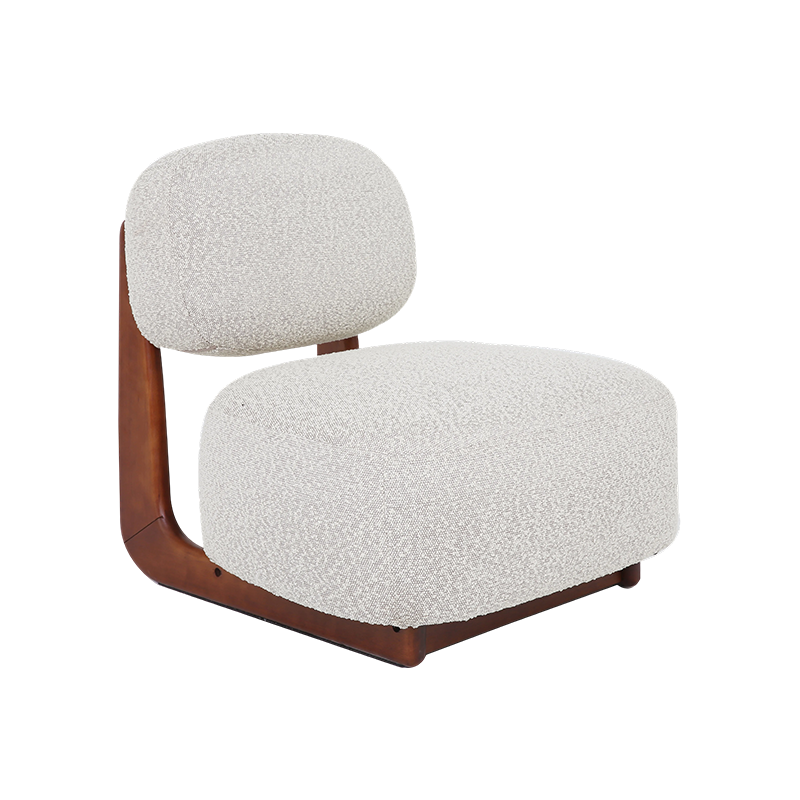 ISLA White Boucle Fabric, Wooden Base, Armless Oversized Decorative Chair / Recliner
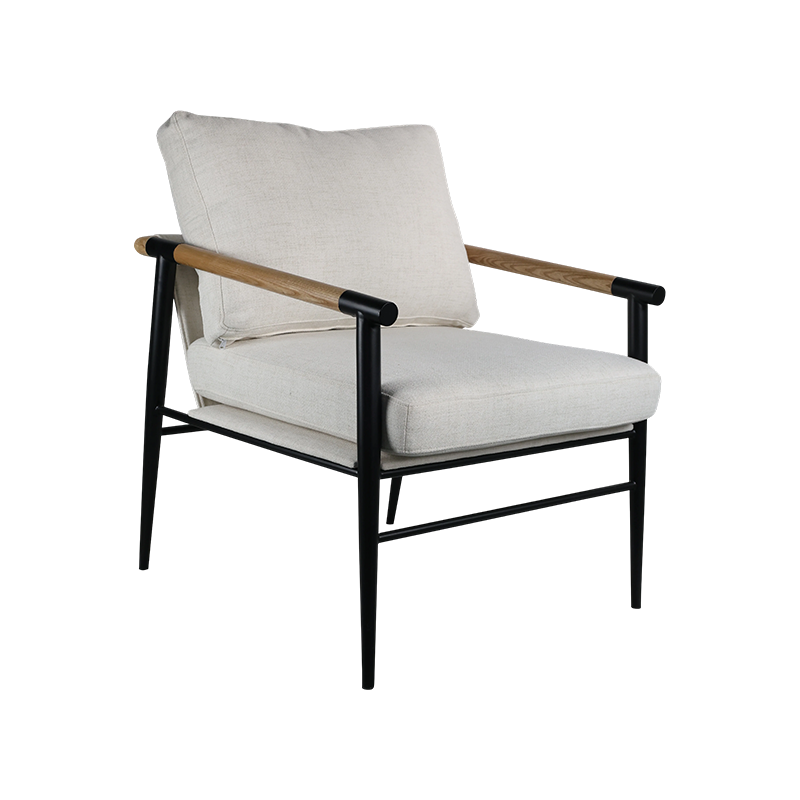 MIRANDA Metal Frame, Wooden Armrests, Minimalist Fabric Upholstered Chair
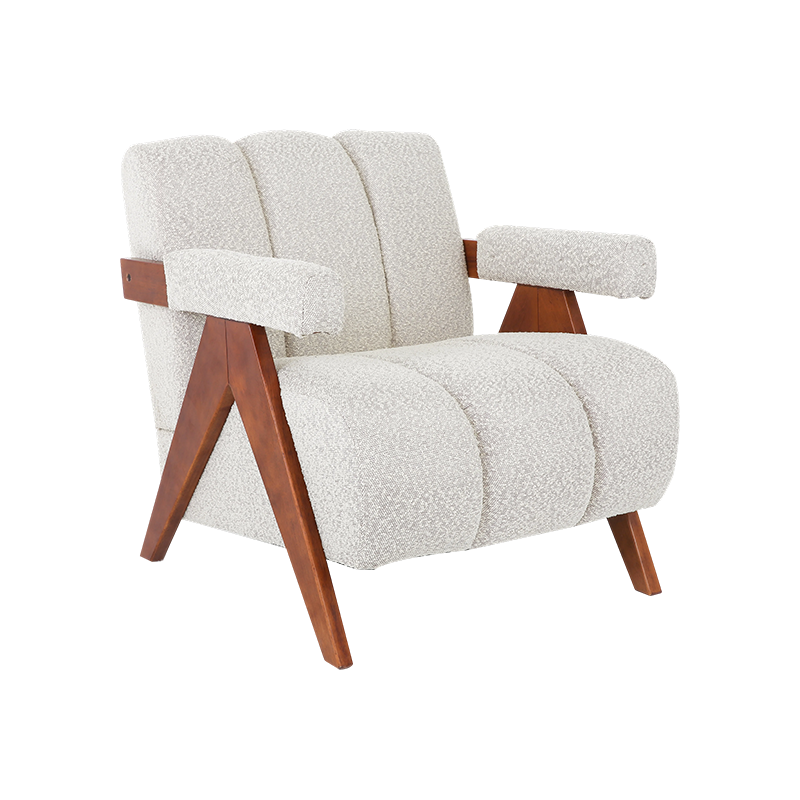 ISLABELLA Rubber Wood Frame with Boucle Fabric, Stylish Lounge Chair
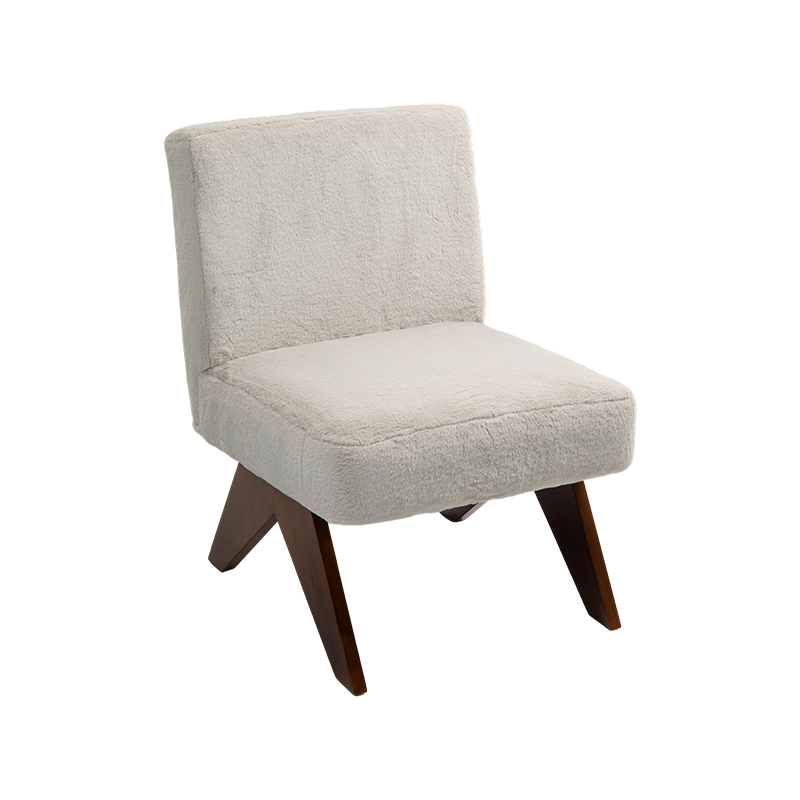 ATTICUS Armless Accent Chair with Loop Velvet Fabric, Rubber Wood Legs in Walnut Finishing
Kangyi Road, Kangshan Industrial Park, Dipu Subdistrict, Anji County, Zhejiang Province, China 313300
Copyright © Anji Partner Furniture Co., Ltd. All Rights Reserved.
Custom Armchairs and Accent Chairs

 Prev
Prev