
 English
 Français
 Español
 عربى
عربى

What Should Buyers Check Before Working With Single Seat Sofa Bed Manufacturers
Home / News / Industry News / What Should Buyers Check Before Working With Single Seat Sofa Bed Manufacturers

Choosing a manufacturing partner for single seat sofa beds is rarely as simple as comparing price sheets side by side. Behind every quote sits a set of decisions about materials, workflow, communication habits and long term reliability that will quietly shape how smoothly your business runs months or years down the line. If you have ever placed an order only to discover cushioning that flattens too quickly or a frame that creaks after a few weeks of daily folding, you already know how much rides on this choice.
A sofa bed is a piece of furniture that gets used twice over, once as seating and once as sleeping surface, which means it faces more mechanical stress than a stationary sofa. The hinge mechanism, the frame joints and the mattress layer all need to hold up through repeated folding and unfolding. That repeated motion is exactly where shortcuts in manufacturing tend to reveal themselves.
When you work with a factory that understands this dual function, you are not just buying furniture, you are buying into their internal standards for how components are sourced, tested and assembled. A buyer who skips this evaluation step and jumps straight to price comparison often ends up paying twice, once for the initial order and again for returns, complaints or reorders.
Production capability covers more than square footage or the number of workers on the floor. It reflects how consistently a factory can turn out units that match your specifications, batch after batch, without quality drifting over time.
A larger facility can sometimes suggest more resources, but size alone does not guarantee consistency. Smaller workshops with tighter internal processes occasionally outperform bigger operations that struggle to maintain uniform standards across multiple production lines. What matters more is whether the factory can show you a clear picture of their daily output, their typical turnaround time and how they handle unexpected delays.
Ask for details on:
That last point matters more than buyers often realize. Subcontracting is common in furniture manufacturing, but it should be disclosed upfront rather than discovered after a shipment arrives with inconsistent stitching or mismatched hardware.
Machinery photos look impressive in a company profile, but workflow tells you how those machines actually get used. A factory with a structured daily routine, where cutting, stitching, frame assembly and packaging happen in a logical sequence with checkpoints in between, tends to produce more predictable results than one where steps overlap chaotically to meet rushed deadlines.
It helps to ask a simple question during your first conversation: what does a typical production day look like for an order of your size. The clarity and specificity of the answer often says more than any brochure.
Materials are where the comfort, durability and overall feel of a single seat sofa bed get decided. This is also the area where buyers benefit most from asking direct, unembarrassed questions, even if they are not furniture specialists themselves.
The frame carries the weight of daily use and the stress of repeated folding. Whether a factory uses solid wood, plywood, metal or a combination depends on the design and target price point, and there is no single correct answer here. What matters is whether the frame construction method matches the intended use of the product.
A useful way to compare options is a simple table like the one below, which you can adapt based on what a specific manufacturer offers.
| Frame Type | Common Use Case | Buyer Consideration |
|---|---|---|
| Solid wood frame | Long term residential use | Heavier, generally sturdy over years |
| Plywood frame | Mid range residential or hospitality use | Balance of weight and cost |
| Metal frame | Frequent folding, rental or commercial settings | Resistant to warping over time |
| Combination frame | Custom designs blending wood and metal | Depends heavily on joint quality |
None of these options is automatically the right choice. The right choice depends on how the sofa bed will actually be used by the end customer.
Foam density affects how the seat feels initially and how it holds up over months of use. Fabric choice affects both appearance and durability against wear, spills and sunlight exposure. Buyers sourcing for markets with strong sunlight exposure, for instance, often ask about fade resistance separately from general durability, since these are not always the same thing.
It is worth requesting physical samples rather than relying solely on written specifications. Foam that reads well on paper can still feel noticeably different once you sit on it.
Quality control is where many manufacturers differ the most, even when their raw materials look similar on a spec sheet. A factory with clear internal inspection stages tends to catch problems before they leave the building, rather than relying on the buyer to catch them after the fact.
A reasonable set of questions to bring into early conversations includes:
Manufacturers who answer these questions with specific examples, rather than vague reassurances, tend to be the ones who have actually built these habits into daily operations rather than treating them as marketing language.
Even if your current order does not require heavy customization, it helps to understand how flexible a factory is willing to be, since needs often shift as your business grows.
Some manufacturers work comfortably with modified dimensions, alternative fabric choices or small design tweaks, while others prefer to stick closely to existing templates. Neither approach is wrong, but mismatched expectations here can slow down future orders considerably. If you anticipate needing adjustments later, raise this early rather than assuming flexibility exists by default.
How quickly and clearly a factory responds during the inquiry stage often reflects how they will communicate once you are mid production and something needs clarifying. A supplier who takes days to answer simple questions before an order is placed rarely becomes faster afterward. Pay attention to whether responses actually address your specific question or simply repeat general information from a catalog.
Price comparisons are unavoidable, but the way a quote is structured tells you almost as much as the number itself. A transparent quote typically breaks down costs by component, materials, labor and packaging, rather than presenting a single lump figure with no explanation.
| Quote Element | What It Usually Signals |
|---|---|
| Itemized cost breakdown | Willingness to explain pricing logic |
| Single flat number only | May require follow up questions to understand |
| Clear minimum order quantity | Realistic expectations set upfront |
| Vague or shifting minimums | Worth clarifying before proceeding |
None of this means the cheapest quote is automatically problematic, or that a detailed quote guarantees quality. It simply means transparency in pricing often correlates with transparency in other parts of the relationship.
Depending on which markets you sell into, certain certifications or compliance documents may be required for import, fire safety standards or material safety disclosures. Requesting this documentation early, rather than after production has started, avoids situations where a completed order cannot clear customs or meet retail requirements in your target market.
It also helps to ask whether the factory has previously shipped to your specific region, since familiarity with regional requirements often reduces friction during the paperwork stage.
More buyers are asking about the environmental footprint of the materials and processes involved in furniture production, not because it is currently mandatory everywhere, but because end customers increasingly ask retailers about it. This might include questions about water based adhesives, recycled fabric content or how factory waste is handled.
You do not need to make sustainability the deciding factor in every sourcing decision, but understanding where a manufacturer stands on these practices gives you a fuller picture of how they operate and how they might respond to future regulatory shifts in your market.
The relationship with a manufacturer does not end once a shipment leaves the factory. Questions worth asking before committing include how defects are handled after delivery, whether replacement parts are available for hardware like hinges or legs, and how disputes over damaged goods during transit are typically resolved.
A factory that has clear, previously used procedures for these situations tends to handle problems more smoothly than one encountering them for the first time with your order.
Before finalizing any agreement, it can help to walk through a short list of questions rather than relying on memory during a fast moving negotiation.
Working through this list does not guarantee a flawless partnership, since no checklist fully replaces ongoing communication and mutual adjustment over time. It does, however, reduce the chances of discovering a mismatch only after production has already begun.
Sourcing from single seat sofa bed manufacturers involves more moving parts than the initial quote suggests, and the buyers who take time to ask about production workflow, materials, quality control and after sales support tend to build steadier, longer lasting partnerships than those who focus on price alone. None of these checkpoints are complicated on their own, but together they give a much clearer picture of what working with a particular factory will actually feel like once the first order is underway.
The goal is not to find a manufacturer without any weaknesses, since every factory has areas where they are stronger or weaker. The goal is to understand those strengths and weaknesses clearly enough that there are no surprises once your product is on the way to your warehouse or showroom floor.
If you have any questions, please fill out the contact form at the bottom of the page and contact us.
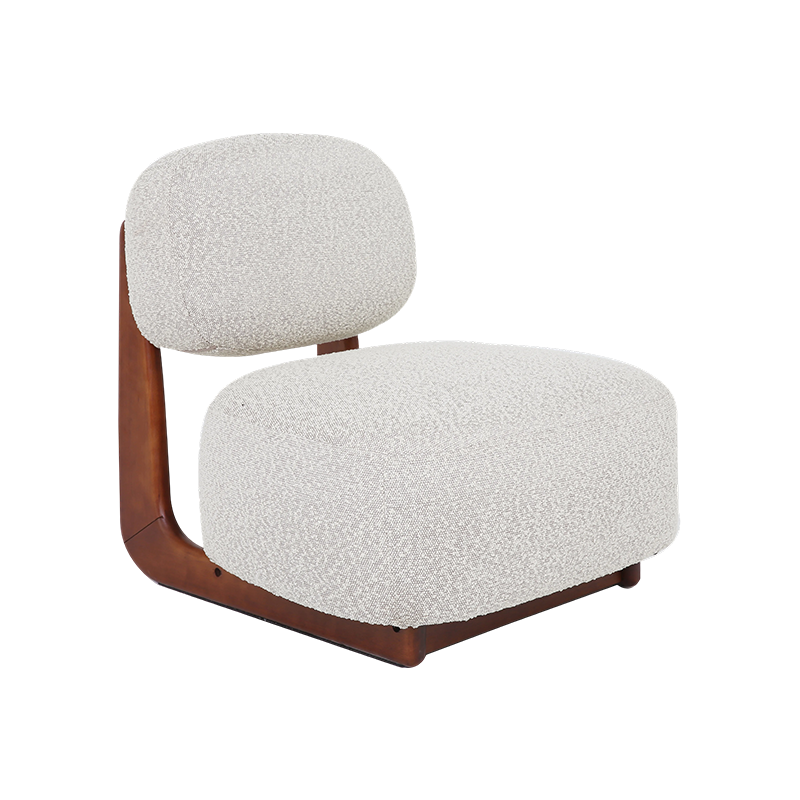 ISLA White Boucle Fabric, Wooden Base, Armless Oversized Decorative Chair / Recliner
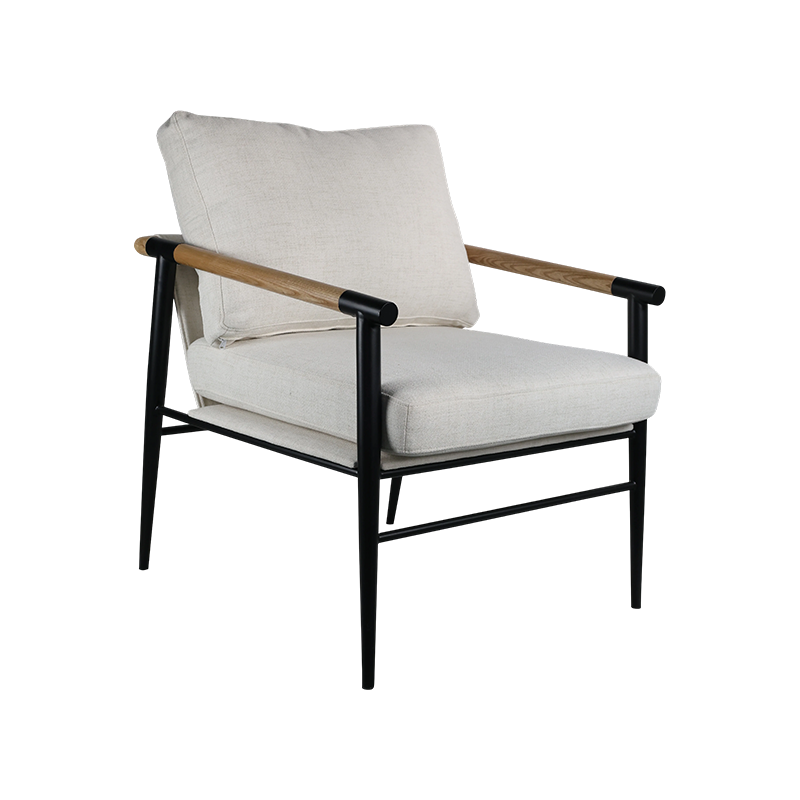 MIRANDA Metal Frame, Wooden Armrests, Minimalist Fabric Upholstered Chair
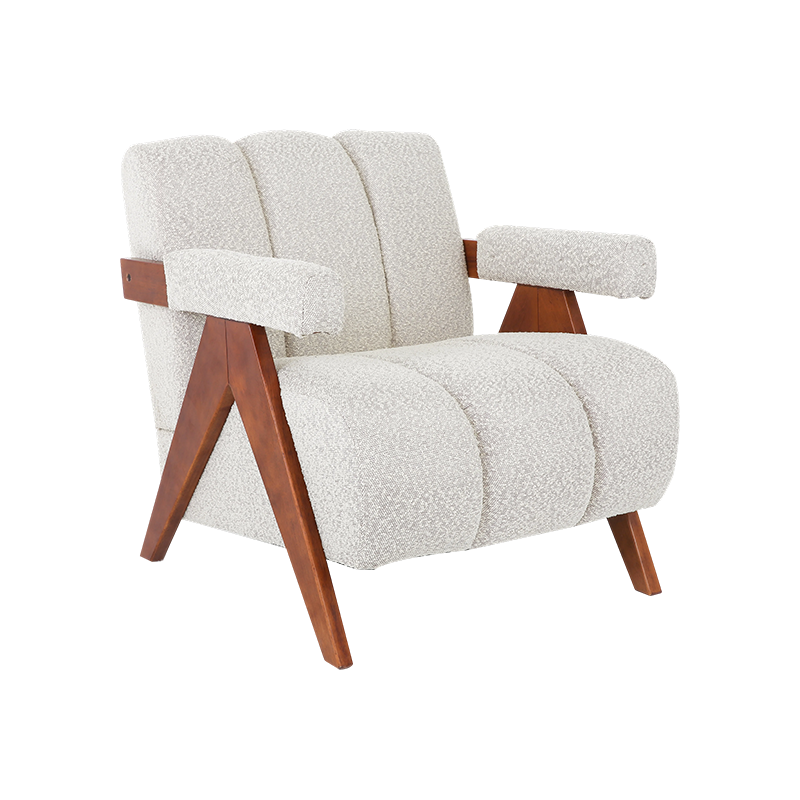 ISLABELLA Rubber Wood Frame with Boucle Fabric, Stylish Lounge Chair
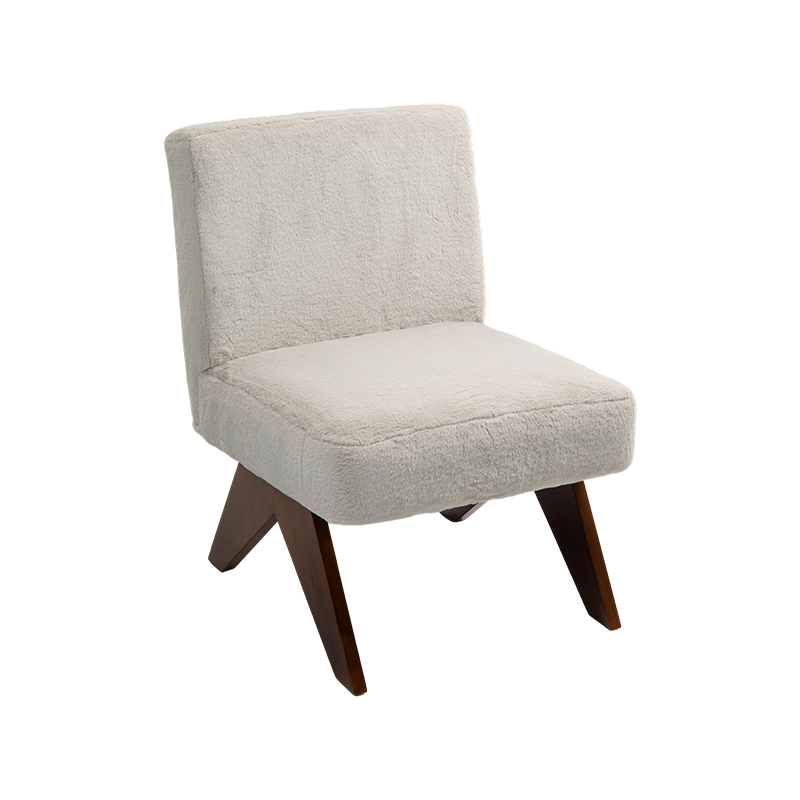 ATTICUS Armless Accent Chair with Loop Velvet Fabric, Rubber Wood Legs in Walnut Finishing
Kangyi Road, Kangshan Industrial Park, Dipu Subdistrict, Anji County, Zhejiang Province, China 313300
Copyright © Anji Partner Furniture Co., Ltd. All Rights Reserved.
Custom Armchairs and Accent Chairs

 Prev
Prev