
 English
 Français
 Español
 عربى
عربى

Which Custom Modern Fabric Dining Chairs Work Well for Restaurant Projects
Home / News / Industry News / Which Custom Modern Fabric Dining Chairs Work Well for Restaurant Projects

Restaurant interiors keep changing as guests expect more from a dining visit. Seating isn't just something functional anymore — it shapes atmosphere, comfort, and how a brand feels in person.
Custom modern fabric dining chairs show up more often now, from small cafes to hotel dining rooms and private clubs. Because fabric, shape, and configuration can be adjusted, owners and designers can build a space that feels like their own concept instead of copying what's already common elsewhere.
That said, not every chair design holds up the same way once it's in daily use. A chair that photographs nicely in a showroom might not handle long hours, frequent cleaning, or heavy foot traffic quite as well.
So the real question becomes: which fabric dining chairs actually work for a restaurant setting?
There isn't one fixed answer. It depends on layout, table turnover, how long guests typically stay, the style of the space, and how much maintenance the operation can realistically manage.
Menu planning, lighting, and flooring often get the early attention during a restaurant build-out. Chairs sometimes get decided almost as an afterthought.
Yet seating has a direct effect on how people experience the room.
Comfortable chairs may encourage guests to linger during a relaxed dinner. In a fast-moving lunch spot, slightly more upright seating can help tables turn over sooner.
Priorities shift depending on the type of venue:
| Restaurant Type | Seating Priority |
|---|---|
| Cafe | Casual feel, easy movement |
| Fine dining | Comfort, consistent look |
| Hotel restaurant | Longer stays, coordinated finishes |
| Family restaurant | Easy cleaning, everyday durability |
| Private dining room | Distinct design, guest experience |
| Fast casual | Efficient use of space, smooth flow |
Because each business runs differently, chair selection usually starts with observing how customers actually behave in the space, not just how a chair looks in isolation.
A lot of restaurant projects work well because the furniture matches both the vision for the space and the practical demands of running it.
A coffee shop where people sit for half an hour has different seating needs than a steakhouse where dinner might run two hours.
Longer visits tend to call for:
Shorter visits often favor:
Neither approach fits every restaurant. It comes down to what the space is actually being used for.
A restaurant with a busy lunch rush puts furniture under different stress than a quiet private dining room.
Frequent use tends to affect:
Commercial furniture planning usually accounts for this kind of wear early on, rather than treating it as an afterthought.
Restaurant interiors have been trending toward warmer, more social environments for a while now.
That's part of why upholstered seating has become more common alongside hard-surface furniture.
Fabric brings a few things to the table:
These qualities help a space feel inviting without piling on extra decoration.
Many restaurants now draw on ideas that used to stay in home interiors.
That includes:
This can make a commercial space feel less rigid while still holding up to daily operational demands.
Different silhouettes create different impressions and change how people use the space.
Curved backs show up frequently in newer restaurant interiors, largely because they:
Rounded shapes also help a tight floor plan feel a little less cramped.
Open backs can make a small dining room feel less packed.
They tend to offer:
You'll see these often in cafes and smaller urban dining spots where floor space is tight.
Fully upholstered chairs give a room a more finished, put-together feel.
They show up often in:
The larger upholstered surface also gives designers more room to work in brand colors or custom textures.
Plenty of projects combine fabric with:
Mixing materials this way supports a range of interior styles and gives designers a way to add contrast without overcomplicating the design.
The fabric itself influences upkeep, comfort, and how the chair holds up visually over time.
Woven materials get chosen often in hospitality settings because they add texture and give designers room to work with.
They contribute:
Textured fabrics often carry visual weight on their own, without needing a bold color to stand out.
Some examples:
These have gained ground in hospitality projects that lean toward a residential feel.
Some projects put maintenance first. In those cases, fabric gets evaluated based on:
That decision usually reflects how the restaurant runs day to day, more than a passing style trend.
Weight affects staff work more than a lot of buyers expect going in.
Heavy chairs can slow down:
Very light chairs, on the other hand, can shift too easily while guests are seated.
Landing somewhere in between usually supports day-to-day operations better than going to either extreme.
Some buyers ask for stackable chairs automatically, without really thinking through whether it fits the project.
But not every restaurant benefits from that.
A permanent dining layout might favor:
Event spaces and multi-use venues, on the other hand, often gain more from storage flexibility.
The setting really determines which approach makes sense.
Both show up regularly in restaurant projects, often in the same room.
Armchairs tend to help with:
Armless chairs tend to help with:
Some restaurants use both — armchairs along the perimeter, armless chairs around central tables — which keeps some visual variety while still working efficiently.
Chairs rarely work in isolation from the tables around them.
Round tables often pair well with:
That combination tends to encourage conversation.
Rectangular tables often work better with:
Long communal tables usually benefit from:
The longer the table, the more that consistency matters.
Preferences around restaurant color palettes change from region to region and year to year.
Natural shades stay common because they pair easily with almost any material — think sand, clay, stone-like tones, and muted browns.
Some projects lean into darker upholstery for contrast — charcoal, forest greens, deep blues.
Neutral tones give a restaurant room to update decor later without needing to replace the seating.
Casual cafes generally lean toward:
Fine dining rooms often focus on:
Hotel restaurants tend to balance:
Private dining rooms often introduce:
Custom furniture helps a project align more closely with brand identity.
Common areas for customization include:
Customization doesn't have to mean a dramatic redesign. Small adjustments often make a real difference in how a space feels.
Restaurants communicate who they are through several layers at once — lighting, music, menu design, and yes, furniture.
Dining chairs play a quiet role in that mix. Guests may not consciously think about chair design, but seating still shapes how a space feels overall.
Focusing only on looks. Appearance matters, but daily operations deserve equal weight in the decision.
Overlooking cleaning routines. Furniture should make staff work easier, not harder.
Bringing residential furniture into a commercial space. Home furniture and commercial furniture are usually built around different expectations.
Not planning for future layout changes. Restaurants evolve. Furniture that adapts to different layouts tends to offer more long-term value.
Common topics that come up during sourcing conversations:
Bringing these questions up early tends to make the whole project run more smoothly.
Furniture projects often involve several parties working in parallel — architects, interior designers, purchasing teams, and manufacturers.
Getting manufacturers involved early can reduce the number of adjustments needed later in the process. They can also offer input on:
Dining habits vary by market, and that affects things like:
Paying attention to regional habits usually leads to furniture that feels more relevant to the people actually using it.
More hospitality projects now factor sustainability into sourcing decisions, looking at things like:
This is likely to stay part of the conversation going forward, not fade out.
Guests remember the experience more than they remember chair details. But seating still contributes to that experience in subtle ways:
None of these details demand attention on their own, but together they shape comfort throughout a meal.
Dining spaces increasingly compete on atmosphere as much as on food.
Furniture contributes to:
As restaurant concepts keep evolving, seating is becoming a more active part of storytelling and brand expression, rather than just background furniture.
Trends shift fairly often. Projects that stay adaptable tend to focus on:
That kind of approach tends to make it easier for a restaurant to adjust as preferences change, without needing a full furniture overhaul every few years.
There's no single answer to which custom modern fabric dining chairs work well for restaurant projects.
The right choice usually comes from understanding how guests behave, how staff operate day to day, and how a restaurant wants to present itself.
Curved shapes, thoughtful fabric choices, mixed materials, practical layouts, and flexible customization all play a role, depending on the type of space involved.
Rather than chasing short-term design trends, many restaurant projects benefit from treating seating as one part of a larger hospitality experience.
When furniture supports comfort, movement, atmosphere, and day-to-day operations all at once, a dining space tends to feel more natural for guests and staff alike.
For manufacturers, designers, and restaurant operators, the conversation around dining chairs is shifting — less about a single product spec sheet, and more about how seating fits into the full experience a guest has from the moment they walk in to the moment they leave.
If you have any questions, please fill out the contact form at the bottom of the page and contact us.
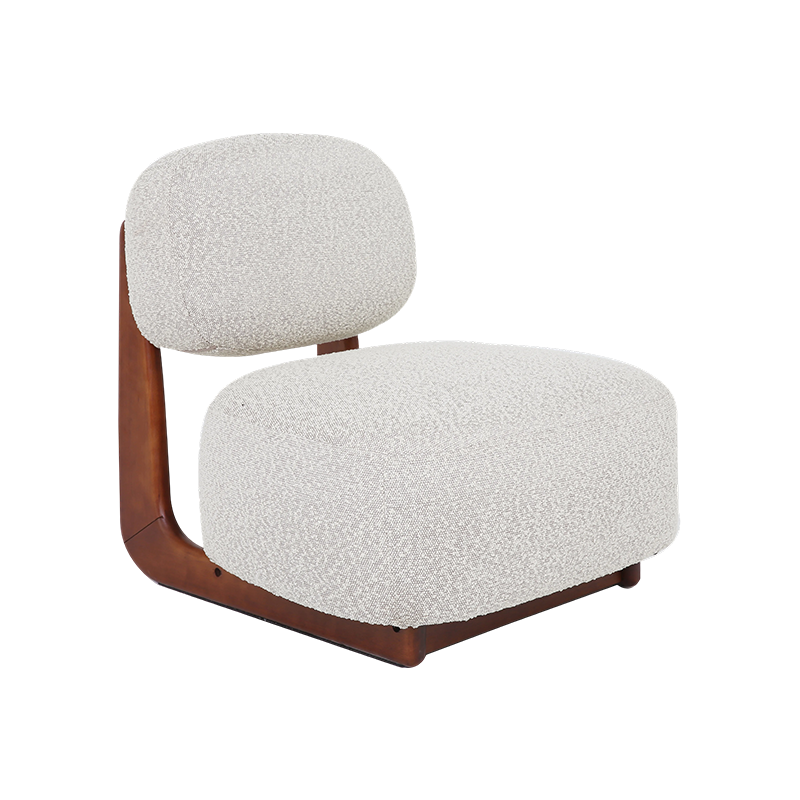 ISLA White Boucle Fabric, Wooden Base, Armless Oversized Decorative Chair / Recliner
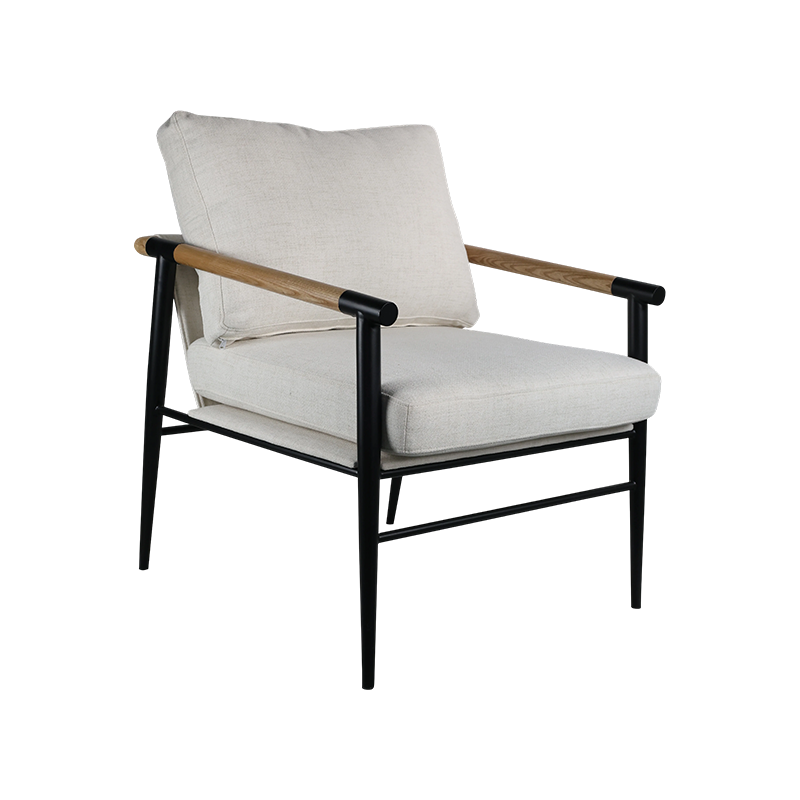 MIRANDA Metal Frame, Wooden Armrests, Minimalist Fabric Upholstered Chair
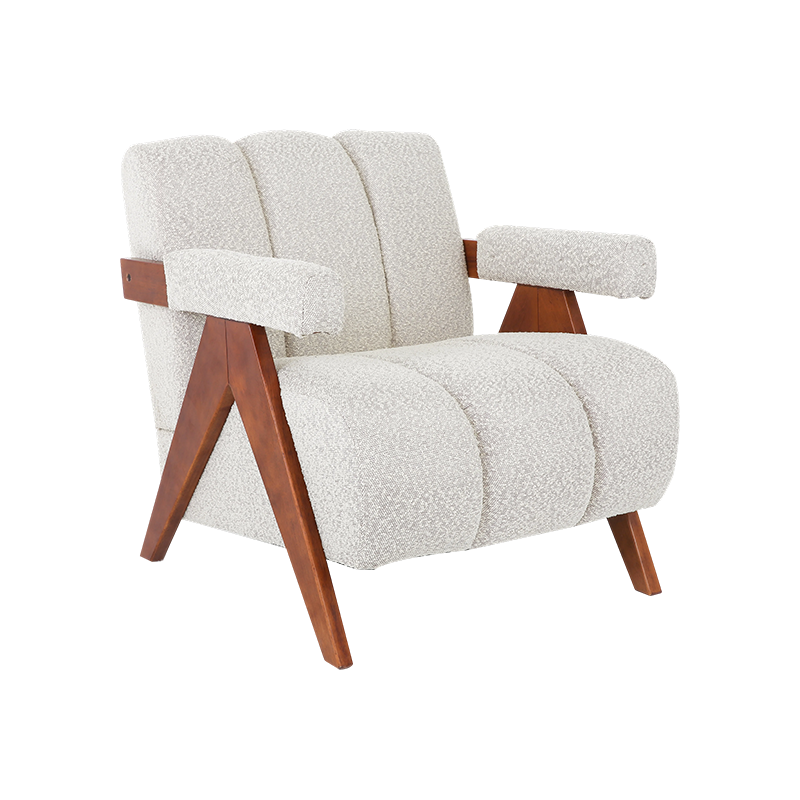 ISLABELLA Rubber Wood Frame with Boucle Fabric, Stylish Lounge Chair
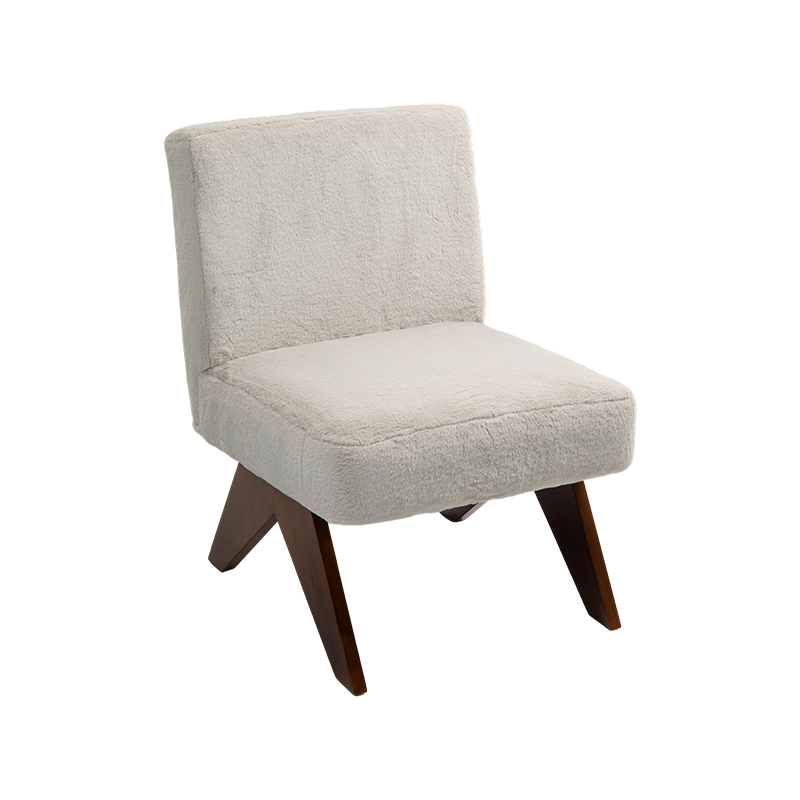 ATTICUS Armless Accent Chair with Loop Velvet Fabric, Rubber Wood Legs in Walnut Finishing
Kangyi Road, Kangshan Industrial Park, Dipu Subdistrict, Anji County, Zhejiang Province, China 313300
Copyright © Anji Partner Furniture Co., Ltd. All Rights Reserved.
Custom Armchairs and Accent Chairs

 Prev
Prev