
 English
 Français
 Español
 عربى
عربى

What Questions Should Importers Ask Custom Luxury Accent Chairs Manufacturers
Home / News / Industry News / What Questions Should Importers Ask Custom Luxury Accent Chairs Manufacturers

When a buyer starts searching for a furniture supplier, the first contact is usually simple.
A few product photos are shared. A design idea is explained. The factory gives feedback.
But anyone who has worked in furniture sourcing knows that the real discussion starts after that.
A chair is not only a finished item. It represents a series of decisions made between designers, material suppliers, production workers, and the purchasing team.
For companies working with Custom Luxury Accent Chairs Manufacturers, choosing a supplier is often connected with much more than one order. Many buyers are thinking about future collections, repeat purchasing, market feedback, and how easily both sides can communicate when new situations appear.
A good supplier evaluation usually begins with practical questions.
Not complicated questions.
Just questions that reveal how the factory works.
A product website can show many designs, but buyers often want to know what happens behind those pictures.
A factory may display different chair styles, yet its actual production experience can be focused on certain categories.
Before moving forward, purchasing teams often check:
| Area | What Buyers Want To Know |
|---|---|
| Product range | Which furniture categories are produced regularly |
| Customer type | Whether the factory works with brands, retailers, or projects |
| Production style | Whether the factory handles standard or customized products |
| Development ability | Whether new ideas can be discussed |
This information gives buyers a better understanding of the supplier.
A company developing a hotel furniture collection may need a different type of cooperation compared with a small furniture brand creating a new retail series.
The right match matters.
Custom furniture requires more communication than standard products.
A standard item usually follows an existing design.
A custom project may involve:
During the early conversation, buyers often want to know whether the factory is comfortable working with changes.
A supplier does not need to accept every request without discussion.
In many cases, the more valuable ability is explaining what can be done, what may need adjustment, and how to reach a practical solution.
Many furniture projects begin with an idea rather than a complete product.
A brand may have a mood board.
A designer may provide inspiration images.
A hotel project may have a complete interior concept.
The factory's role is to connect creative ideas with production reality.
This process usually involves conversations around:
A good development discussion does not only focus on whether something looks attractive.
It also considers whether the product can be produced consistently.
In furniture manufacturing, pictures can only show part of the story.
A sample allows buyers to experience the actual product.
During sample review, many details become clearer.
For example:
This stage gives both sides a chance to communicate before production moves forward.
For many buyers, sample approval is one of the most important steps in a custom furniture project.
Materials influence the personality of a chair.
The same design can create different impressions with different upholstery, finishes, or decorative elements.
When developing custom accent chairs, buyers often discuss:
However, choosing materials is not only about visual preference.
A brand may consider how the product fits into its collection.
A hotel may think about how the chair works within a specific space.
A retailer may consider customer expectations.
The final choice usually comes from balancing several factors.
Furniture projects often include many small decisions.
A fabric sample may be approved months before production.
A finish may be selected after several discussions.
A design adjustment may happen during sample review.
Keeping these details organized becomes important, especially when a product receives repeat orders.
Without clear records, small differences can appear between different production periods.
This is one question many buyers ask before cooperation begins.
The reason is simple.
Furniture projects involve many details.
A buyer may need updates about:
Knowing who manages communication makes the process easier.
A clear contact person can help information move between both sides.
No project stays exactly the same from beginning to end.
Sometimes a buyer discovers a small issue after reviewing a sample.
Sometimes a material needs another option.
Sometimes the delivery plan changes.
The important point is how the situation is handled.
Experienced purchasing teams usually pay attention to communication during these moments.
A supplier that explains the situation clearly and discusses possible solutions can make cooperation more comfortable.
Quality discussions are not limited to the final inspection.
They often begin much earlier.
During production, different details may need attention:
| Product Area | Possible Review Points |
|---|---|
| Fabric | Color, texture, and surface condition |
| Structure | Assembly and construction details |
| Finishing | Stitching, edges, and decorative parts |
| Packaging | Protection and product information |
Different projects may focus on different areas.
A designer brand may pay attention to appearance details.
A commercial project may focus on consistency across many units.
Understanding the application helps create suitable checking methods.
Many issues in international sourcing come from different expectations.
A buyer may imagine one result from a drawing.
A factory may understand another interpretation.
Clear communication during development can reduce these differences.
Useful information includes:
The more clearly the product direction is confirmed, the smoother the production process becomes.
Packaging is often considered after the product is finished.
However, for international furniture orders, packaging affects many parts of the process.
It connects with:
A furniture brand shipping products to customers may have different packaging needs from a company delivering chairs for an interior project.
Discussing packaging early allows both sides to prepare properly.
Before shipment, buyers and factories usually confirm several details.
These may include:
Small details become important when products travel internationally.
Good preparation can prevent unnecessary delays during the final stage.
Many buyers are not looking for only one transaction.
They may plan:
Because of this, the relationship with a factory can become an important business resource.
A supplier that understands a brand's style and working method can make future projects easier to organize.
Long-term cooperation usually grows from daily communication.
It comes from understanding expectations, solving problems, and improving through each project.
For businesses searching for Custom Luxury Accent Chairs Manufacturers, the selection process is not only about finding a company that can make a chair.
It is about finding a production partner that understands design ideas, respects project requirements, and can work together as the business grows.
Furniture brands often approach manufacturers with a clear market direction.
They may already understand their customers, product style, and sales channels. What they need from a factory is usually not only production support, but also cooperation during product development.
For a brand creating a new chair collection, common discussions may include:
A furniture collection needs consistency.
A chair should not feel disconnected from the rest of the products. The materials, colors, and details often need to work together.
This is why many brands spend time discussing ideas with manufacturers before confirming production.
Hotel and commercial projects usually have their own requirements.
A chair placed in a guest room, lobby, restaurant, or lounge area needs to fit the entire space.
Project buyers often consider:
Unlike individual retail orders, hospitality projects may involve many pieces used in the same environment.
A small difference between products can become noticeable when many units are placed together.
Because of this, communication between the design team and production team becomes an important part of the project.
Interior designers often focus on details that influence the feeling of a space.
They may pay attention to:
A designer may bring a concept that looks simple but requires careful production consideration.
For example, a curved chair design may need discussion around structure.
A special fabric choice may need evaluation regarding production methods.
A unique finish may require sample confirmation.
The conversation between designer and manufacturer helps transform creative ideas into practical products.
Many furniture companies are building their own product identity.
Instead of choosing ready-made items, they want products that represent their own style.
Private label projects may involve:
Before cooperation, companies usually discuss how much involvement they can have throughout development.
Some brands provide complete designs.
Others prefer working with the factory during the development stage.
Both methods can work when communication is clear.
For companies investing in new furniture collections, product information can be valuable.
A new design may represent months of planning, market research, and creative work.
During cooperation, companies may discuss:
These discussions are common in international furniture development.
They allow both sides to understand expectations before starting the project.
Different businesses have different purchasing plans.
A new furniture brand may begin with a smaller collection.
An established distributor may require regular production.
A hotel project may involve a large quantity within a specific schedule.
Because of these differences, buyers often want to understand how a factory organizes production.
The discussion may include:
The purpose is not only to understand quantity.
It is about knowing whether the supplier's working method fits the buyer's business model.
Repeat orders are common in furniture business.
A product that performs well in the market may continue receiving demand.
However, repeat production requires attention to details.
Important information may include:
A well-organized production record can make future orders easier to manage.
For buyers, this can save time when expanding a successful collection.
Furniture styles continue to change.
Customer preferences move between different materials, colors, shapes, and design concepts.
For manufacturers working with international customers, understanding market direction is part of daily work.
Buyers may discuss:
A factory that understands market changes can communicate more effectively during development.
Successful product development is usually a two-way conversation.
Buyers understand their customers and market conditions.
Manufacturers understand production methods and material possibilities.
When both sides share information, product decisions often become clearer.
For example:
The combination of market knowledge and production experience creates better communication.
Price is naturally an important part of purchasing.
However, furniture projects include many factors besides the unit cost.
A buyer may also consider:
A product with a clear production process may create fewer problems throughout the project.
This is why many experienced buyers evaluate the complete cooperation process instead of only comparing numbers.
Budget discussions are easier when both sides understand the project requirements.
Important information may include:
A clear conversation allows manufacturers to suggest suitable options.
Sometimes small adjustments in materials or design details can create a different balance between appearance and production planning.
International cooperation involves different time zones, languages, and business habits.
A simple question may require discussion between several people before reaching a final answer.
For this reason, communication methods matter.
Companies may discuss:
Clear communication habits can make international projects easier to manage.
Most furniture projects involve many small details.
A color name may have different interpretations.
A design reference image may leave room for different opinions.
A material description may need additional explanation.
Using clear information such as samples, images, drawings, and written confirmation can reduce unnecessary confusion.
Good communication does not mean there are never questions.
It means questions can be solved in an organized way.
Before choosing a manufacturing partner, many companies review several areas.
A simple evaluation may include:
| Evaluation Area | Questions To Review |
|---|---|
| Design support | Can the supplier understand and develop ideas? |
| Materials | Are options and samples clearly discussed? |
| Production | Is the manufacturing process organized? |
| Communication | Are updates provided clearly? |
| Quality | Are product details reviewed before shipment? |
| Packaging | Can requirements be discussed in advance? |
| Future cooperation | Can the supplier support new projects? |
This type of checklist helps buyers compare suppliers from a wider perspective.
Choosing a furniture manufacturing partner is a process that requires attention to many details.
The appearance of a chair may attract buyers at the beginning, but long-term cooperation depends on what happens behind the product.
Design discussions, material decisions, production communication, quality review, and delivery planning all influence the final result.
For companies searching for Custom Luxury Accent Chairs Manufacturers, asking the right questions before cooperation can create a clearer understanding of the supplier and the project.
A successful furniture partnership is usually built through communication, trust, and continuous improvement across every stage of development.
If you have any questions, please fill out the contact form at the bottom of the page and contact us.
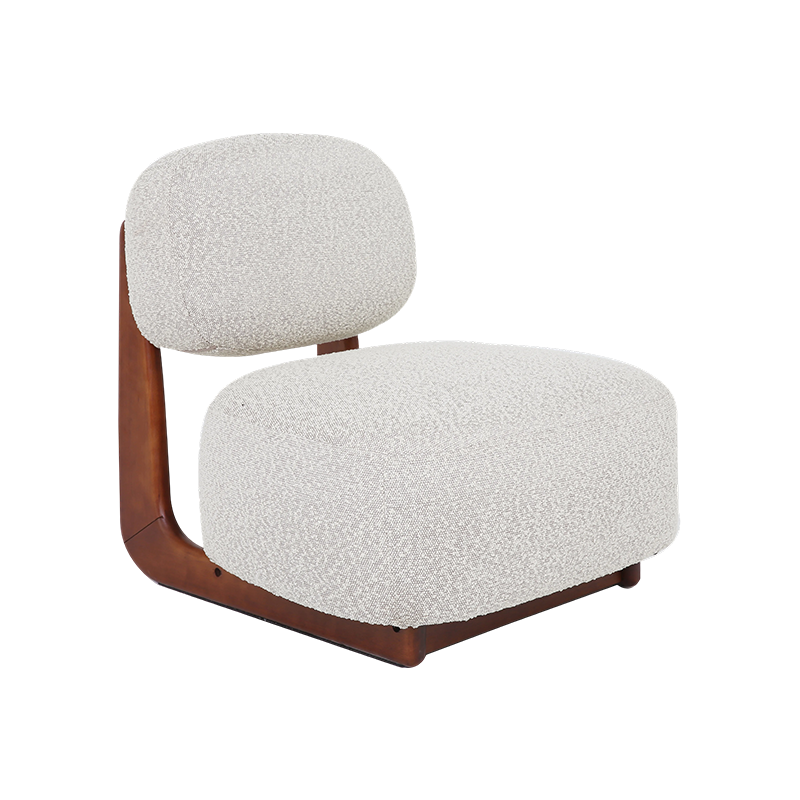 ISLA White Boucle Fabric, Wooden Base, Armless Oversized Decorative Chair / Recliner
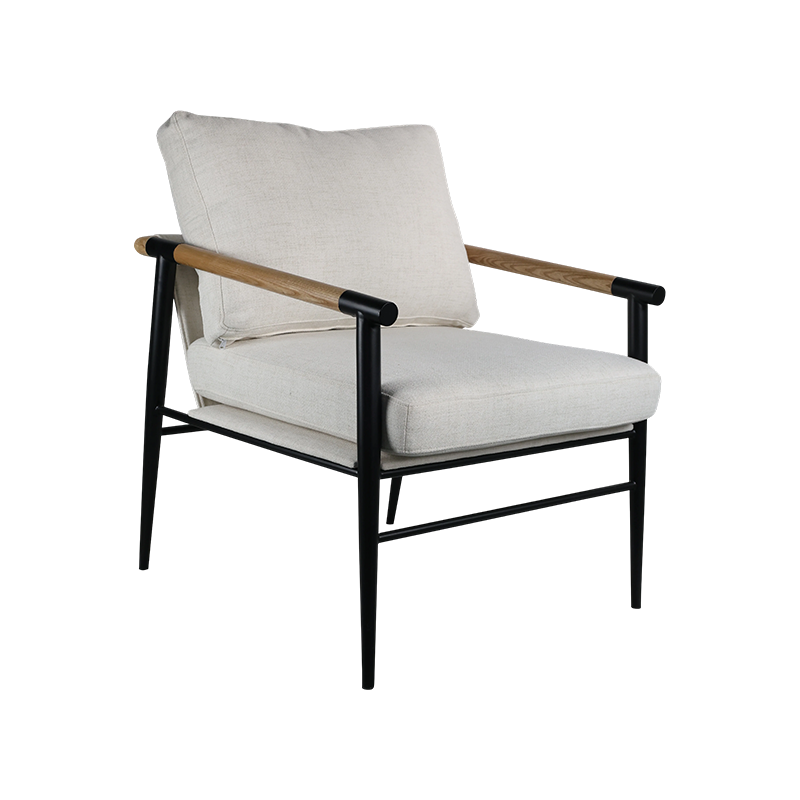 MIRANDA Metal Frame, Wooden Armrests, Minimalist Fabric Upholstered Chair
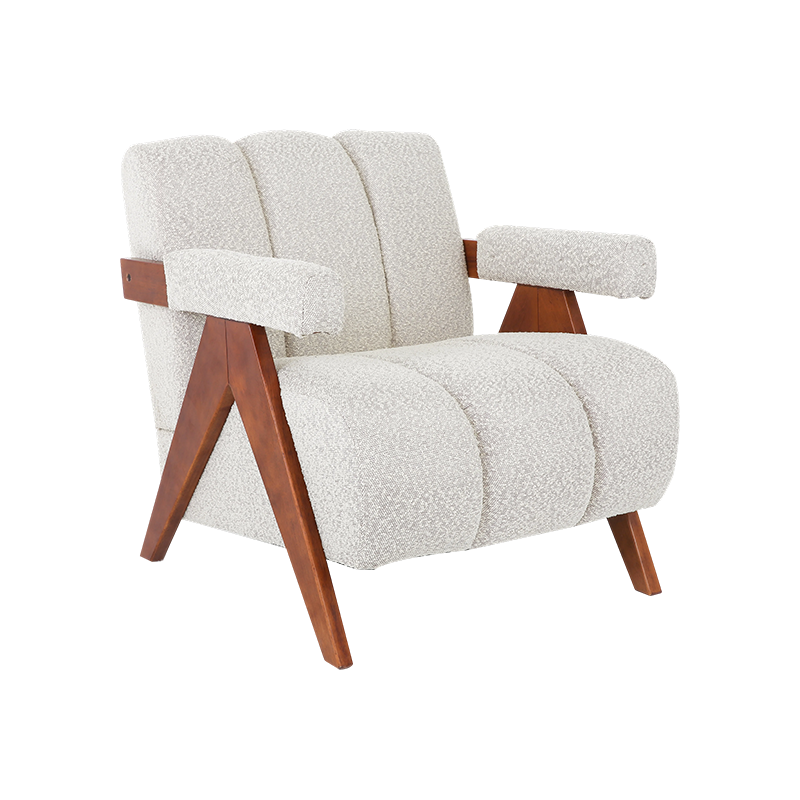 ISLABELLA Rubber Wood Frame with Boucle Fabric, Stylish Lounge Chair
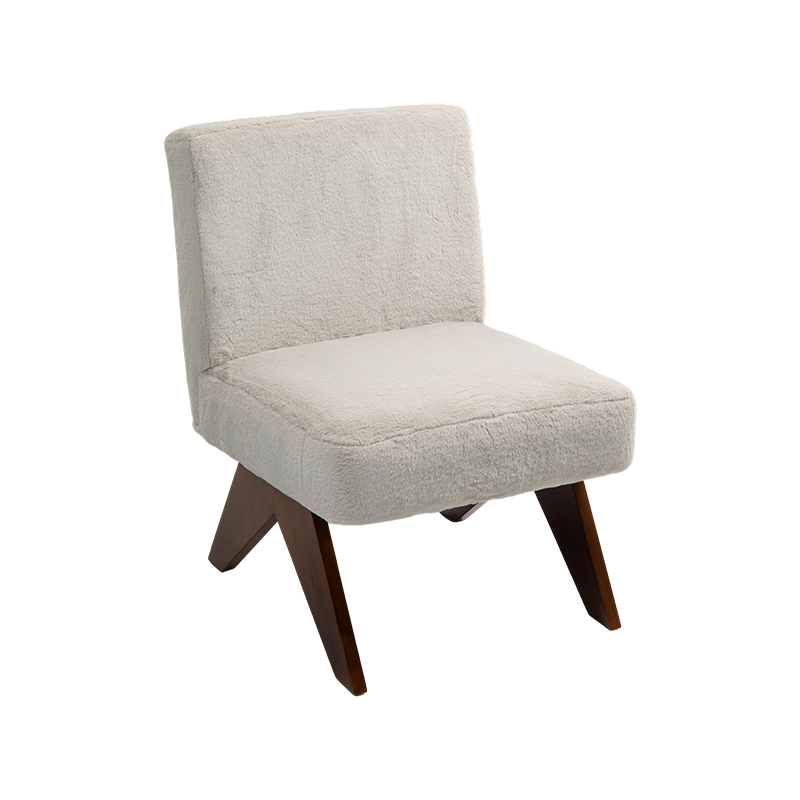 ATTICUS Armless Accent Chair with Loop Velvet Fabric, Rubber Wood Legs in Walnut Finishing
Kangyi Road, Kangshan Industrial Park, Dipu Subdistrict, Anji County, Zhejiang Province, China 313300
Copyright © Anji Partner Furniture Co., Ltd. All Rights Reserved.
Custom Armchairs and Accent Chairs

 Prev
Prev