
 English
 Français
 Español
 عربى
عربى

What Should You Compare Before Buying Custom Modern Fabric Dining Chairs
Home / News / Industry News / What Should You Compare Before Buying Custom Modern Fabric Dining Chairs

Modern Fabric Dining Chairs are found in homes of almost every style today. Some sit around compact dining tables in city apartments, while others are part of large family dining rooms used every day. At first glance, choosing a dining chair may seem straightforward. A design catches your attention, the color looks appealing, and it appears to match the table. The decision feels simple.
However, many homeowners discover that selecting dining seating involves much more than appearance alone.
A chair may look attractive in a showroom but feel less comfortable during a long dinner. A fabric that appears practical online may require more care than expected. A design that fits a staged display may not blend naturally into an actual home environment.
That is why experienced buyers rarely focus on a single feature. Instead, they compare several factors before making a final decision.
Years ago, dining rooms were mainly associated with meals. Today, many households use the same space for a variety of activities.
Children complete homework at the dining table. Remote workers answer emails between meetings. Friends gather for coffee. Families spend time talking long after dinner has ended.
Because people spend more time in these spaces, seating comfort has become a bigger part of the conversation.
A chair is no longer simply a place to sit for twenty minutes. In many homes, it becomes part of everyday life.
This shift has changed how buyers evaluate furniture.
Instead of only asking whether a chair looks good, people now ask questions such as:
These practical concerns often influence purchasing decisions more than decorative details.
Many people notice color first. Fabric type usually comes second.
Yet upholstery has a direct impact on appearance, comfort, and maintenance.
Two chairs can share a similar shape but create very different experiences depending on the material covering them.
Woven fabrics remain a familiar choice in residential furniture.
Part of their popularity comes from versatility. They work with many interior styles and are available in a wide variety of textures.
Some woven surfaces appear smooth and refined. Others have a more noticeable texture that adds character.
Homeowners often appreciate woven fabrics because they feel approachable and suitable for everyday environments.
Certain materials attract attention because of their tactile qualities.
When people sit down, the texture immediately becomes part of the experience.
Soft-touch upholstery is frequently selected for dining areas where comfort is a priority. These materials often help a room feel warmer and more inviting.
Many homeowners describe these fabrics as making a space feel less formal and more welcoming.
Linen-inspired upholstery continues to appear in contemporary furniture collections.
Its appeal is not only visual. It also contributes to a relaxed atmosphere that many homeowners seek.
These fabrics are commonly paired with:
For buyers who prefer understated interiors, linen-look upholstery often feels like a natural fit.
Practicality matters.
Families with young children, busy schedules, or frequent visitors often compare maintenance requirements before anything else.
As a result, easy-care upholstery options have gained attention in recent years.
People want furniture that works with their lifestyle rather than creating additional concerns.
One interesting aspect of furniture shopping is that appearance is immediately visible while comfort is often revealed over time.
A chair may look impressive in photographs. The real question is how it feels after repeated use.
This is why many buyers spend time evaluating seating design rather than focusing solely on appearance.
Not every seat feels the same.
Small differences in contour, cushioning, and proportions can influence the overall sitting experience.
What feels comfortable for one person may feel completely different for another.
Because of this, comfort remains one of the more personal aspects of furniture selection.
Back support is another detail buyers often compare.
Some dining chairs feature clean, straight lines. Others include gentle curves designed to follow the natural shape of the body.
Curved designs have become increasingly common in recent years.
Many homeowners appreciate the softer appearance they bring to a room.
The visual effect is often just as important as the physical support.
Not long ago, armchairs were mainly associated with living rooms.
Today, they are appearing more frequently around dining tables.
Some households use armchairs at both ends of the table. Others combine them with side chairs to create visual variety.
This approach can help the dining area feel less uniform and more relaxed.
Fabric receives a great deal of attention, but it is only one part of the chair.
The frame underneath contributes significantly to the overall character of the piece.
Wood remains a familiar choice across many furniture categories.
Its popularity comes partly from adaptability.
Wood can look appropriate in a contemporary apartment, a traditional dining room, or a modern family home.
Different finishes create different moods.
Lighter tones often feel casual and relaxed. Darker finishes can create a more formal appearance.
Metal structures have become increasingly visible in modern interiors.
Many buyers are drawn to the cleaner lines often associated with metal furniture.
These chairs are frequently used in:
The combination of upholstery and metal can create an interesting contrast.
Furniture manufacturers increasingly mix materials within a single design.
Wood, metal, and fabric often appear together.
This approach helps create visual depth while allowing the furniture to fit a wider range of interiors.
The result can feel more layered and less predictable than a single-material design.
People sometimes underestimate the influence of color.
Yet changing chair color alone can dramatically alter the mood of a dining space.
Neutral colors remain common because they are easy to coordinate with existing furniture.
Popular choices include:
These colors tend to remain flexible as decorative preferences evolve.
Dark fabrics create contrast.
In some homes, darker seating becomes a visual anchor around the dining table.
Many homeowners appreciate the depth these shades bring to a room.
Interior trends continue to draw inspiration from nature.
As a result, colors such as olive, sand, clay, and muted green appear regularly in furniture collections.
These shades often create a calm and relaxed atmosphere without overwhelming the space.
Furniture photographs can sometimes make judging scale difficult.
A chair that appears balanced online may feel oversized in a smaller dining room.
Likewise, a compact design may seem lost in a large open-plan area.
Before making a selection, many buyers compare overall proportions.
| Factor | Reason for Comparison |
|---|---|
| Chair width | Affects spacing around the table |
| Back height | Influences room balance |
| Visual weight | Impacts openness |
| Leg design | Changes overall appearance |
| Shape | Affects movement around furniture |
Considering these details early can help avoid layout issues later.
When furniture is new, appearance often receives most of the attention.
As time passes, practicality becomes increasingly important.
Dining chairs experience regular contact every day.
People sit, move, eat, talk, work, and gather around them.
Because of this, maintenance often becomes part of the ownership experience.
Questions buyers frequently ask include:
These questions may not seem exciting during the shopping process, but they often become important later.
Different households have different priorities.
A young couple furnishing their first apartment may focus on aesthetics.
A family with children may prioritize practicality.
Someone renovating a forever home may place greater emphasis on long-term satisfaction.
This is why there is no universal answer when choosing dining chairs.
The right option often depends on how the furniture will actually be used.
Understanding daily habits can make comparisons much more meaningful.
Furniture preferences change over time.
Some trends disappear quickly, while others remain relevant for many years.
Several themes are currently influencing dining chair design.
Rounded shapes are becoming increasingly common.
Many homeowners appreciate furniture that feels welcoming rather than rigid.
Matching sets are no longer the only option.
Some dining spaces now combine different chair styles, fabrics, or colors around the same table.
This creates a more collected appearance.
Texture has become a larger part of interior design discussions.
Rather than focusing only on color, buyers are paying closer attention to how materials look and feel.
Comfort is no longer treated as separate from style.
Many contemporary designs attempt to balance visual appeal with everyday usability.
Choosing dining chairs is often more involved than people expect. What begins as a search for a particular style can quickly become a comparison of materials, comfort, maintenance, proportions, color, and lifestyle compatibility.
The dining area remains one of the most frequently used spaces in many homes. It hosts everyday routines, special occasions, and countless conversations. Because of this, the furniture placed there deserves careful consideration.
By taking the time to compare different features instead of focusing only on appearance, buyers can make decisions that suit both their space and the way they live. In the end, a dining chair is not simply another piece of furniture. It becomes part of daily life, often in ways that are only noticed after it has been used for months or even years.
If you have any questions, please fill out the contact form at the bottom of the page and contact us.
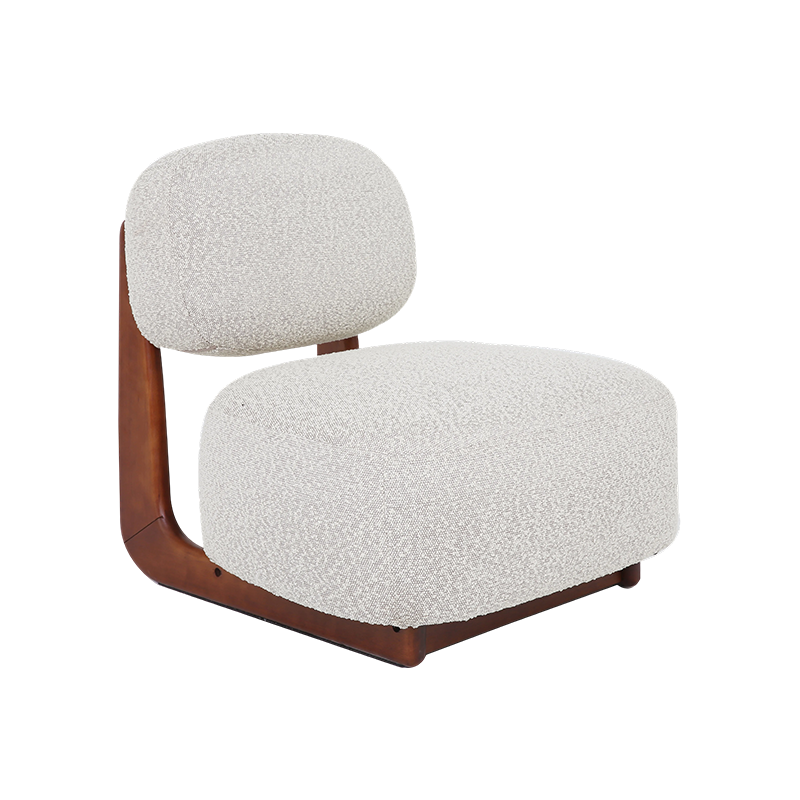 ISLA White Boucle Fabric, Wooden Base, Armless Oversized Decorative Chair / Recliner
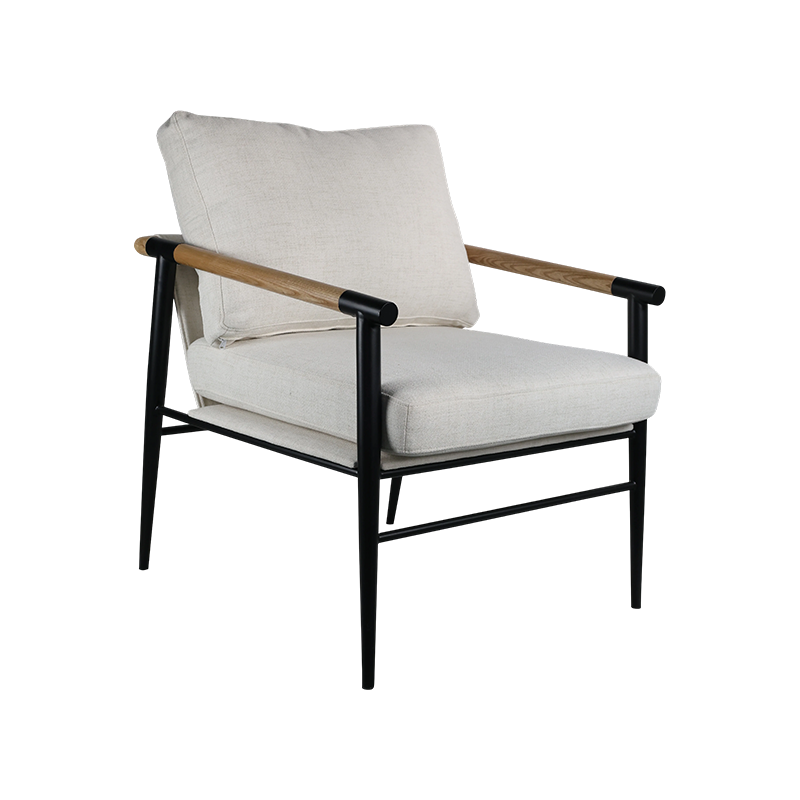 MIRANDA Metal Frame, Wooden Armrests, Minimalist Fabric Upholstered Chair
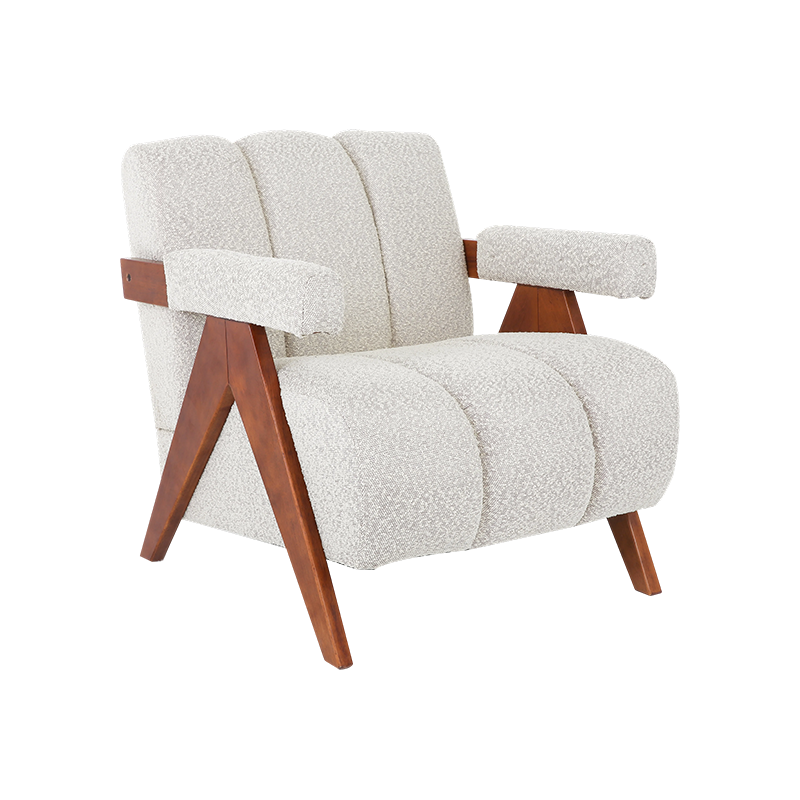 ISLABELLA Rubber Wood Frame with Boucle Fabric, Stylish Lounge Chair
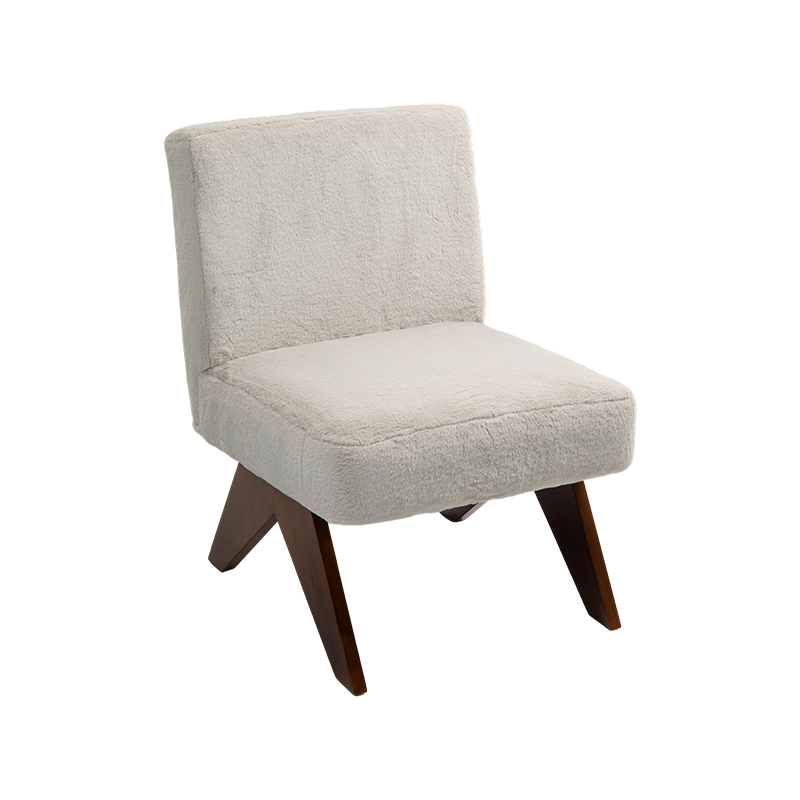 ATTICUS Armless Accent Chair with Loop Velvet Fabric, Rubber Wood Legs in Walnut Finishing
Kangyi Road, Kangshan Industrial Park, Dipu Subdistrict, Anji County, Zhejiang Province, China 313300
Copyright © Anji Partner Furniture Co., Ltd. All Rights Reserved.
Custom Armchairs and Accent Chairs

 Prev
Prev