
 English
 Français
 Español
 عربى
عربى

What Are Buyers Looking for in a Luxury 3 Seater Sofa This Year
Walk into a furniture fair this year and the pattern is hard to miss. People still stop for good-looking sofas, but the real conversations happen after that first glance. Buyers sit down, touch the fabric, step back, then start asking questions that go far beyond appearance.
Retailers talk about how a piece will sit in different showroom setups. Importers want to know if it can work across more than one market. Designers are already thinking about how it fits into full-room styling instead of treating it as a single product. Even end customers are more prepared than before, often arriving with saved images and comparisons already in mind.
A Luxury 3 Seater Sofa is still a key piece in almost every living space, but the way people judge it has clearly shifted. It is no longer just about what looks good in a photo. It is more about how it lives in a space over time.
The decision usually starts before anyone sees the product
One big change in the market is how early the decision process begins. In many cases, buyers have already done most of the thinking before they even visit a showroom or contact a supplier.
Typical preparation now looks like this:
- browsing online catalogs and supplier sites
- collecting room inspiration images
- comparing upholstery types and finishes
- checking how similar sofas are used in real interiors
- narrowing down preferred shapes or layouts
So when they finally arrive, they are not exploring randomly anymore. They are filtering.
That changes the conversation. Instead of "show me what you have", it becomes "does this fit what I already have in mind".
Why "adaptable" designs are getting more attention
Furniture used to follow stronger style cycles. One year it was bold shapes, another year it was very minimal, then something more decorative.
Now the cycle feels less extreme, and buyers are reacting to that.
A sofa is a long-use item. Many customers keep it through several home updates. Paint changes, lighting changes, rugs change, but the sofa often stays.
Because of that, buyers are leaning toward designs that can survive those changes without feeling out of place.
What tends to work better now:
- balanced proportions that are not tied to one trend
- shapes that feel familiar but still modern
- details that are present but not overpowering
- colors that can sit with different interiors
It is not about removing character. It is more about avoiding anything that locks the product into a short design moment.
Retailers like this too, because it gives them more flexibility in how they position the same product to different customers.
Fabric is often the real starting point
In many buying meetings, the sofa frame is not the first topic. The fabric is.
That shift says a lot about how the industry is thinking now.
At exhibitions, it is common to see people ignore the full display at first and go straight to the material sample. They want to understand how it feels, how it reflects light, and how it behaves in everyday use.
Some common directions that keep showing up:
Textured surfaces
These are used because they add depth without needing strong patterns or loud colors. They work in both modern and more relaxed interiors.
Soft woven looks
Often chosen for their casual, lived-in feeling. They fit homes that aim for comfort over formality.
Linen-style fabrics
Still popular in markets that prefer a natural and light interior mood.
Velvet-like finishes
Used more selectively, often in spaces where a richer visual effect is wanted.
What matters most is not the category name, but how the material supports the room as a whole.
Comfort is no longer judged in a quick sit test
People still sit on a sofa in a showroom, but the evaluation is different now.
It is not just "does this feel soft".
It is more like a mental simulation of daily life.
Buyers are thinking about:
- sitting for longer periods
- working from the sofa
- watching content for hours
- relaxing in different positions
- sharing the space with others
So comfort is now a mix of support and flexibility. Too soft can feel unstable. Too firm can feel limiting. Many buyers are looking for something in the middle range that feels usable in different situations.
This is also where posture and seating balance come into the discussion more often than before.
Neutral colors are still doing most of the work
Even with changing trends, neutral tones are still showing up in most collections.
Not because buyers are avoiding color, but because they want control over the rest of the room.
A sofa is expensive and long-term. Accessories are not. So people prefer to keep the base stable and change everything around it when needed.
That is why these tones continue to appear:
- warm beige
- soft grey
- muted earth shades
- sand-inspired tones
- low-saturation natural colors
They are easy to combine with different wood tones, metal finishes, and wall colors. That flexibility is what keeps them relevant across regions.
Retailers are not buying single sofas anymore
From a retail point of view, a sofa alone is not enough.
Most buyers are thinking in sets, even if they do not say it directly.
A typical product direction might include:
- 3 seater sofa
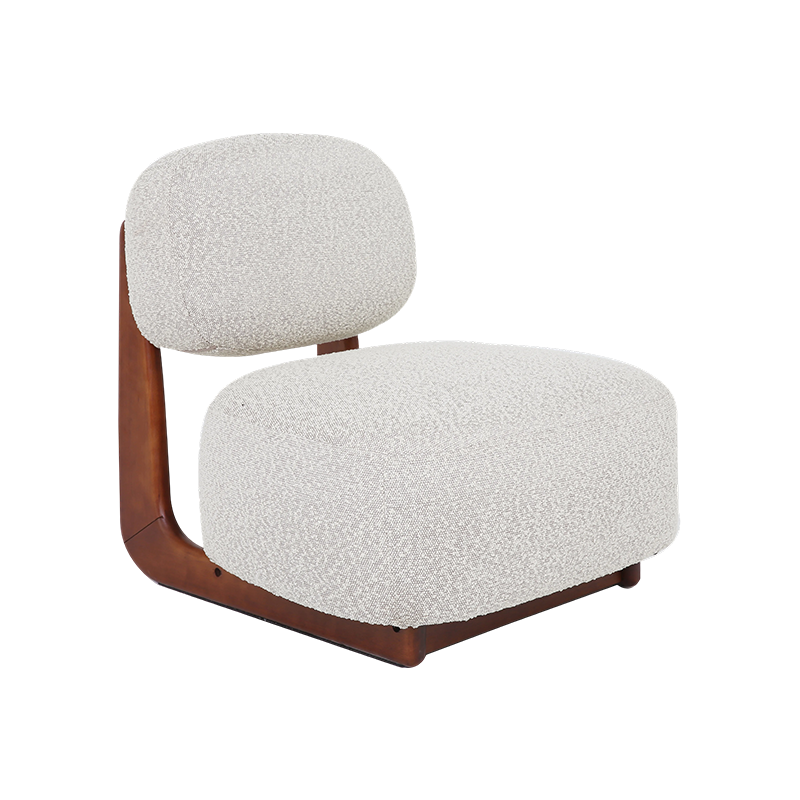
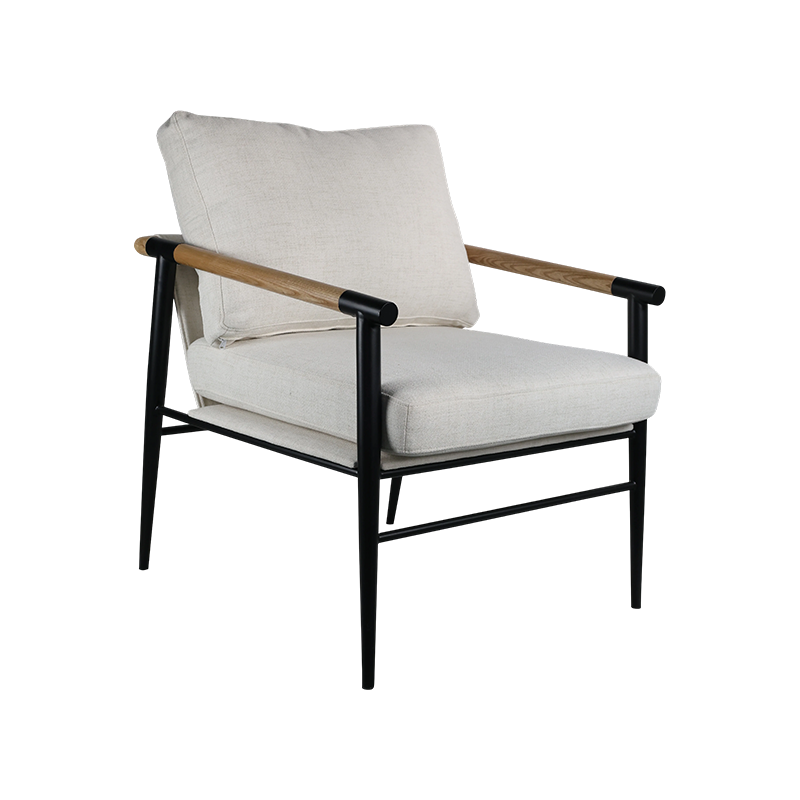
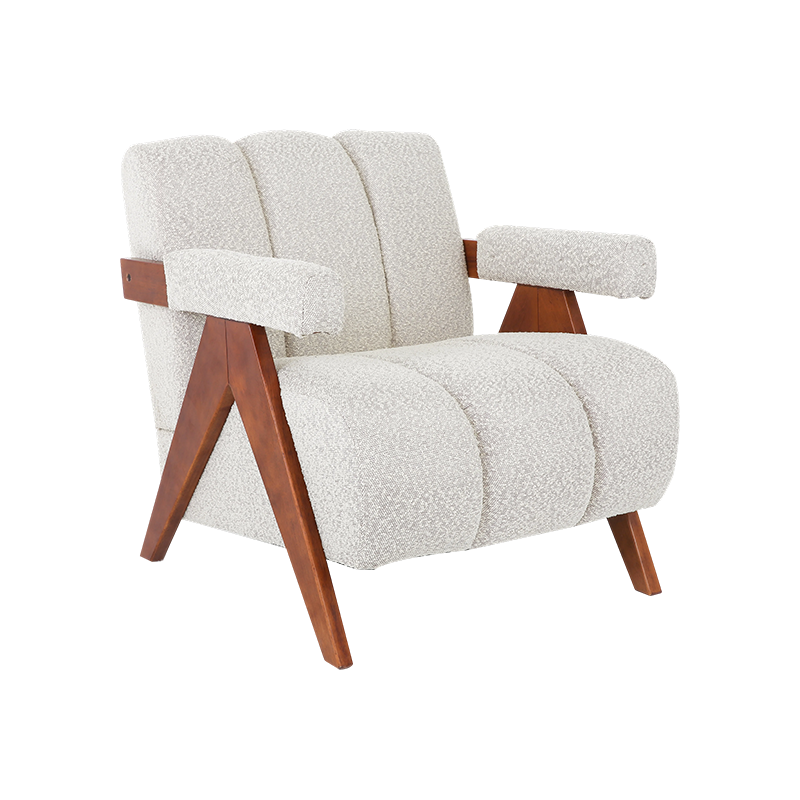
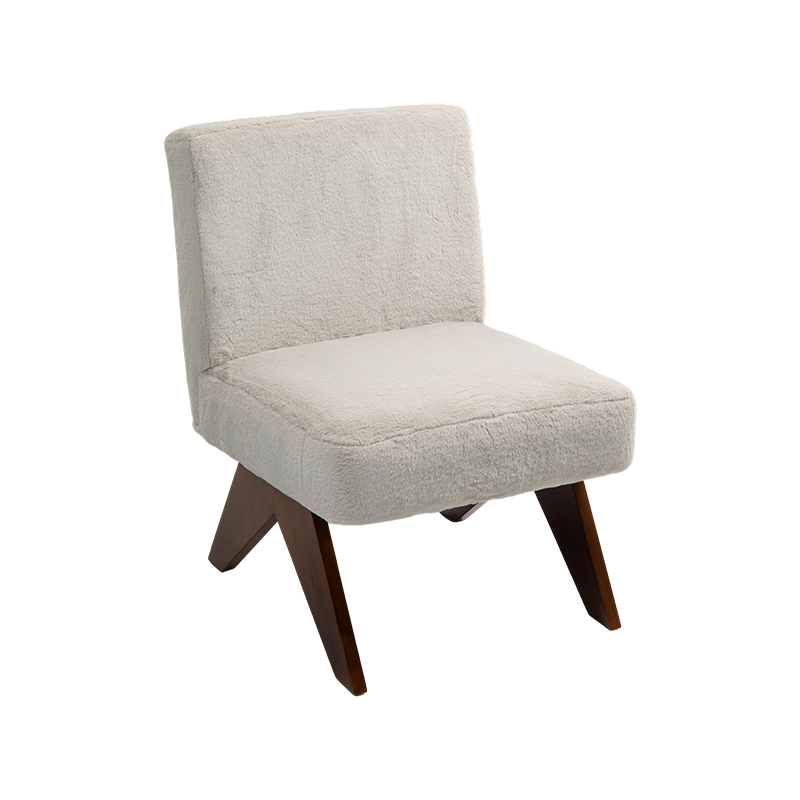
- armchair or lounge chair
- ottoman
- coffee table
- side table
Because customers do not just buy one piece. They buy a room feeling.
When a collection works together visually, it is easier for retailers to display and easier for customers to understand. It also helps reduce the pressure of explaining each item separately.
So the focus shifts from "this sofa is nice" to "this group works together".
Hospitality projects are influencing residential choices
Hotels and serviced apartments have a different set of needs, but their influence on furniture design is growing.
Project buyers tend to think more about:
- how often the furniture will be used
- how it holds up visually over time
- how easy it is to maintain
- whether it fits multiple room types
Because these projects are repeated across many units, consistency becomes more important than uniqueness.
What is interesting is that ideas from this space often move back into residential furniture later. Cleaner shapes, more durable-looking fabrics, and simpler construction details often start in project environments before becoming mainstream.
Buyers are paying more attention to how things are made
There is also a quiet shift happening around transparency.
Buyers are asking more questions about materials, structure, and finishing. Not in a technical engineering way, but in a practical sense.
They want to understand:
- what the fabric is suitable for
- how the sofa behaves in daily use
- how it should be maintained
- how stable the structure feels over time
What all of this is really pointing to
If you put all these patterns together, the direction becomes clearer.
Buyers are not chasing dramatic changes anymore. They are trying to reduce risk.
That is why the same themes keep appearing:
- adaptable design instead of fixed style
- fabric experience instead of just appearance
- usable comfort instead of quick impression
- collections instead of single products
- long-term fit instead of short-term trend
A Luxury 3 Seater Sofa is still a central product in living spaces, but it is now judged as part of a larger system: how people live, how rooms change, and how furniture performs over time.
For manufacturers and suppliers, the opportunity is not just to design something attractive, but to design something that still makes sense after the first year, not just the first photo.
 Prev
Prev