
 English
 Français
 Español
 عربى
عربى

How Can a Custom 1 Seater Sofa Bed Transform Small Living Spaces
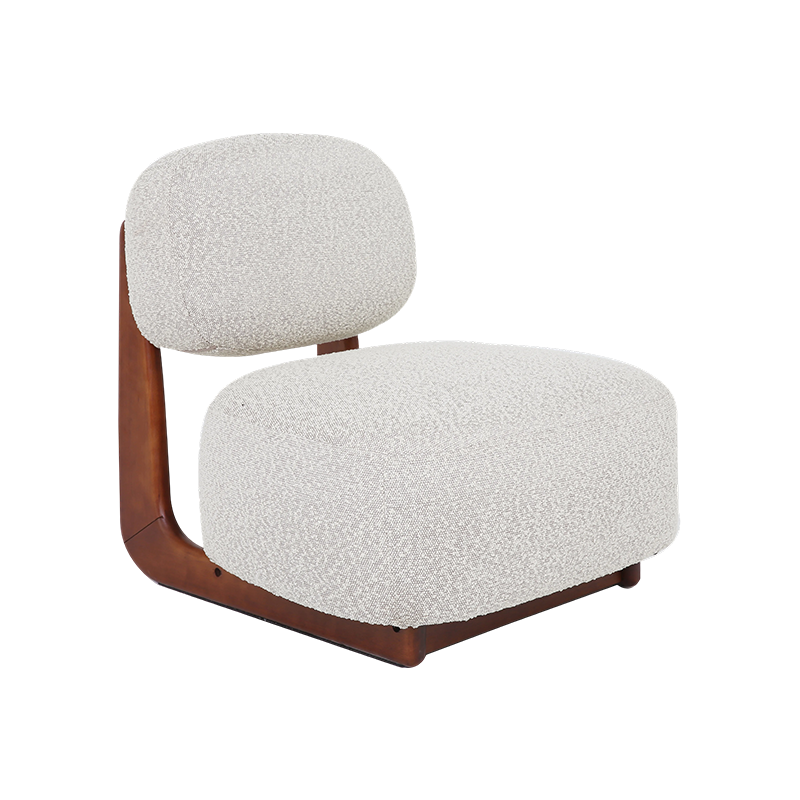
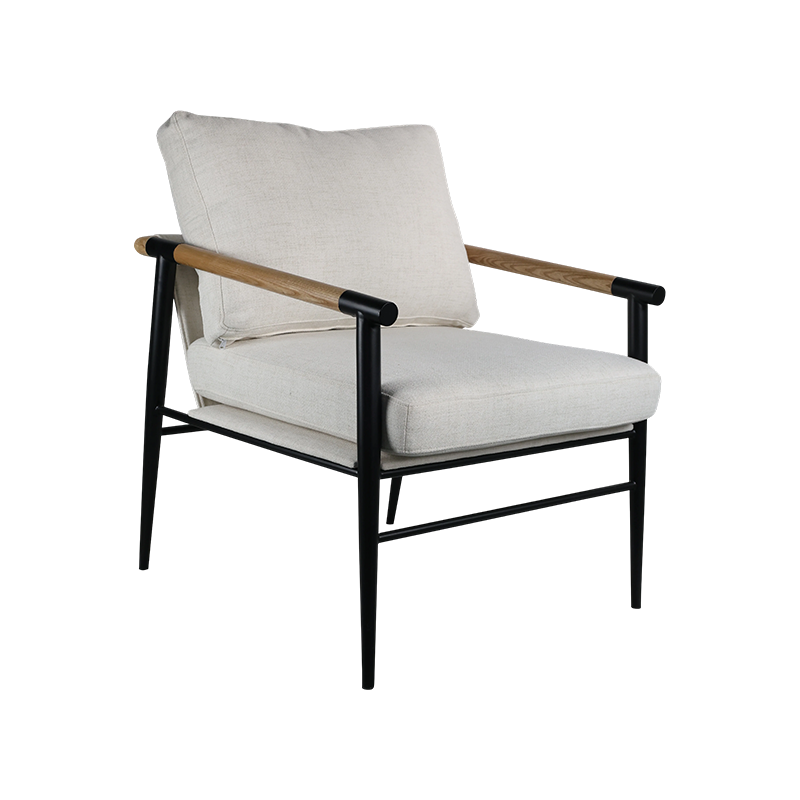
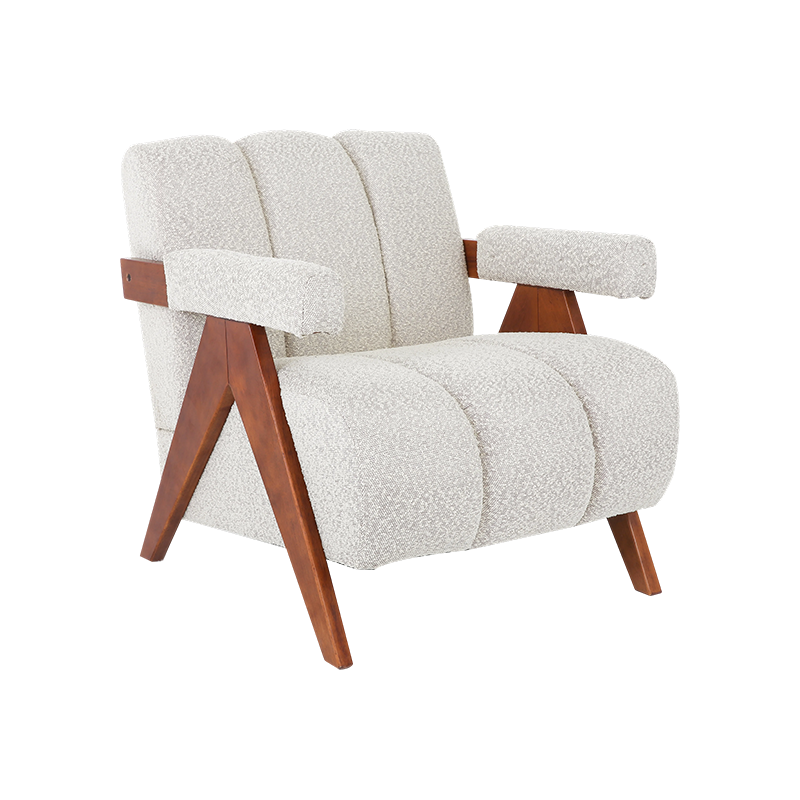
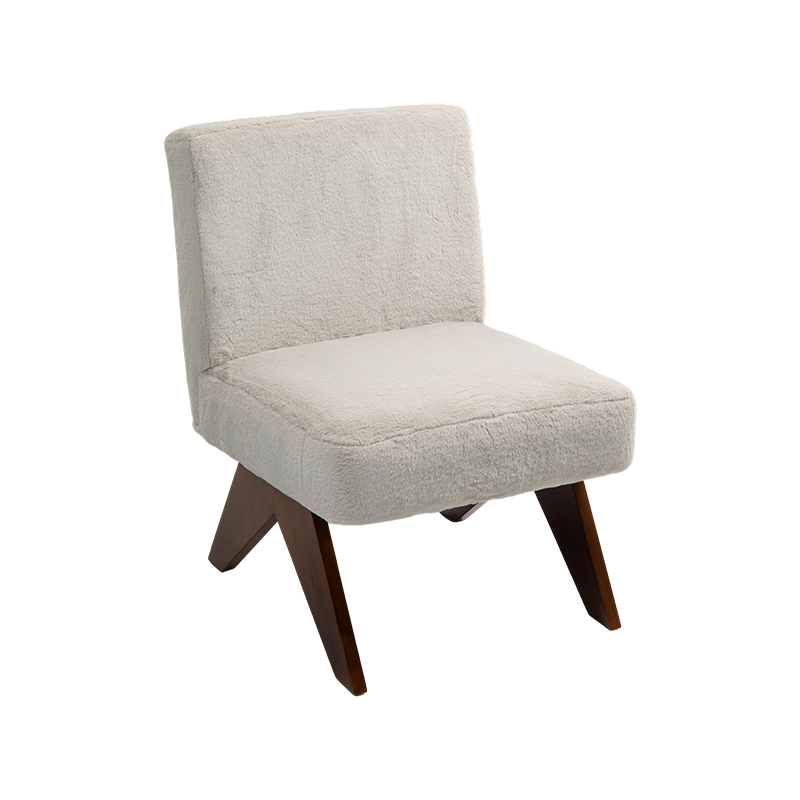
Small living spaces are becoming more common in modern cities. Apartments are getting smaller, rental layouts are more compact, and many people are now looking for furniture that can handle more than one function without making a room feel crowded. In this kind of environment, a custom 1 seater sofa bed becomes a practical option worth considering.
This type of furniture is not just about saving space. It is more about how a room can adapt throughout the day. A seating area in the morning can become a resting spot later, and sometimes even a temporary sleeping area when needed. The flexibility is what makes it interesting.
Why Are Small Living Spaces Changing the Way We Choose Furniture
Living space today is not the same as it used to be. Many people now live in studios, shared apartments, or compact urban homes. Because of this, furniture is no longer chosen only for appearance.
Instead, the focus has shifted to:
- How many functions one item can support
- How easily it can adapt to daily routines
- Whether it helps reduce clutter
- How it fits into limited floor space
A sofa bed with one seat is often selected because it responds to these needs without requiring a full room setup. It allows a space to stay open while still offering basic comfort functions.
This shift is not about luxury or design trends. It is more about practical living.
What Makes a Custom 1 Seater Sofa Bed Different From Standard Options
A standard sofa bed is usually designed for general use. A custom version, however, allows more flexibility in structure and appearance.
Customization may involve:
- Frame structure
- Folding direction
- Fabric selection
- Seat depth adjustment
- Backrest height preference
- Storage integration
Instead of adjusting the room to match furniture, the furniture is adjusted to match the room.
This is especially useful in smaller homes where every centimeter matters.
Can One Piece of Furniture Really Change Room Functionality
At first, it may sound like a small change. One sofa bed does not seem like it can transform a whole space. But in practice, it often affects how the entire room is used.
For example:
- A living room becomes a dual purpose lounge and guest area
- A home office can also serve as a rest space
- A studio apartment gains a flexible sleeping option
The key change is not physical size, but functional behavior.
Instead of a fixed layout, the room becomes adjustable.
How Does Space Efficiency Actually Work in Daily Use
Space efficiency is not only about fitting furniture into a room. It is about how the space behaves when used.
A sofa bed with a single seat can help in several ways:
- Reducing the need for separate bed and chair
- Keeping open floor areas available
- Avoiding overcrowding in corners
- Supporting flexible movement in small rooms
The result is not necessarily a larger room, but a more usable one.
A simple layout can sometimes feel more comfortable than a fully filled space.
What Should Be Considered Before Choosing a Sofa Bed Structure
Before selecting a design, it helps to understand how structure affects usage.
Frame options and what they influence
| Frame type | Usage behavior | Common feel |
|---|---|---|
| Metal structure | Frequent movement support | Stable and functional |
| Wooden structure | Visual balance and support | Warm and steady |
| Mixed structure | Balanced use case | Practical combination |
Each type has its own direction depending on how often the furniture will be adjusted between sitting and sleeping mode.
Does Folding Mechanism Affect Daily Comfort
Yes, and often more than expected.
There are different ways a sofa bed can transform:
Pull system
This type usually slides outward and forms a sleeping surface. It works well when space in front is available.
Fold system
This version folds inside the seating structure. It is often used in tighter spaces where outward extension is limited.
Lift style system
Some designs use lifting sections or hidden storage to support transformation.
The important part is not which one is better, but which one fits how the room is used daily.
How Material Selection Changes Long Term Experience
Material choice is not only about appearance. It affects cleaning, comfort, and daily maintenance.
Common material behaviors:
- Fabric surface tends to feel softer and more casual
- Synthetic materials are usually easier to clean
- Leather like surfaces are smoother but require careful handling
In small living spaces, maintenance effort often becomes part of daily life. A material that is easy to manage can reduce small but repeated inconveniences.
Is Comfort Only About Softness or Something More
Comfort in a sofa bed is not a single factor. It is a combination of:
- Sitting posture support
- Sleeping surface stability
- Backrest angle
- Cushion layering
A piece that feels comfortable for sitting may not always feel the same for sleeping. That is why usage priority matters.
If the main use is seating, structure support becomes more important. If sleeping use happens more often, surface balance becomes the focus.
How Does a One Seater Sofa Bed Support Multi Use Rooms
Multi use rooms are becoming more common, especially in urban apartments. One room may serve several purposes:
- Living area
- Work space
- Rest area
- Guest accommodation
A single seater sofa bed supports this shift by allowing quick transformation without moving multiple furniture pieces.
Instead of rearranging the room, the function changes within the same footprint.
What Role Does Design Play in Small Spaces
Design is not only visual. It also affects perception of space.
For example:
- Lighter colors can make a room feel more open
- Compact shapes reduce visual weight
- Simple lines create less visual interruption
In small rooms, design decisions often influence how spacious the environment feels, even if the actual size does not change.
How Does Storage Integration Improve Usability
Some sofa bed designs include storage space inside the structure.
This can be used for:
- Bedding items
- Light blankets
- Small daily essentials
Instead of adding separate storage furniture, the same item carries multiple roles.
However, storage integration can slightly change structure design, so it should be considered during planning rather than added later.
Common Usage Needs
| Usage situation | Space concern | Recommended structure focus |
|---|---|---|
| Studio apartment | High | Compact folding system |
| Guest room | Medium | Balanced comfort setup |
| Home office | Medium | Sitting comfort priority |
| Rental unit | High | Flexible transformation |
Why Customization Matters in Real Homes
Not every room has a standard layout. Some have corners, narrow walls, or unusual shapes. Custom design helps adjust:
- Dimensions
- Folding direction
- Armrest shape
- Fabric type
- Functional extras
Instead of forcing furniture into a space, customization adapts it to the environment.
This often results in smoother daily use.
What Are Common Mistakes When Choosing Sofa Beds
Some decisions may seem reasonable at first but create inconvenience later:
- Choosing based only on appearance
- Ignoring open space movement
- Underestimating folding clearance
- Overlooking cleaning effort
- Not considering daily frequency of use
These are not design issues but planning oversights.
How Maintenance Affects Long Term Use
Maintenance is often simple but important:
- Regular surface cleaning
- Checking folding joints occasionally
- Rotating cushions when possible
- Avoiding long term pressure on one side
Even small habits can help keep the structure stable over time.
Can One Furniture Piece Really Improve Daily Living Flow
Yes, but not by changing the room itself. It changes how the room is used.
A sofa bed with one seat helps reduce:
- Need for extra furniture
- Unused space
- Repetitive rearranging
Instead of managing multiple items, one piece handles several roles.
This simplifies daily movement in small environments.
A custom 1 seater sofa bed is not just a compact furniture choice. It is a way to make limited space more flexible and responsive to daily needs.
The real value comes from how it fits into routine life:
- Sitting during the day
- Relaxing during breaks
- Supporting occasional sleeping needs
- Keeping space visually open
When selected carefully based on structure, material, and real usage habits, it becomes a practical part of small living environments without feeling forced or complicated.
 Prev
Prev