
 English
 Français
 Español
 عربى
عربى

Why Are Low Profile Counter Stools Showing Up in Smaller Kitchens
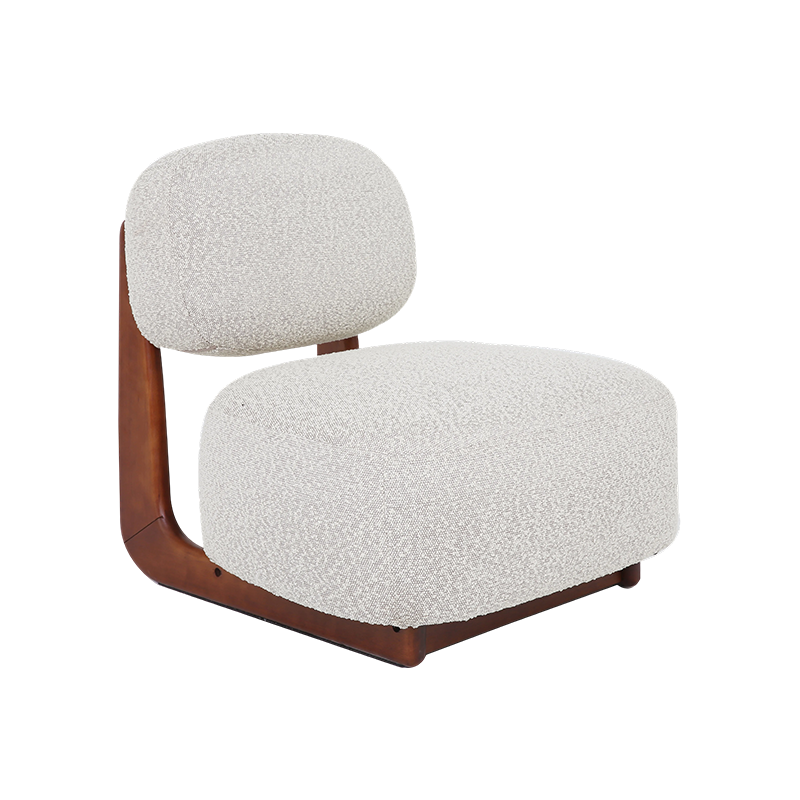
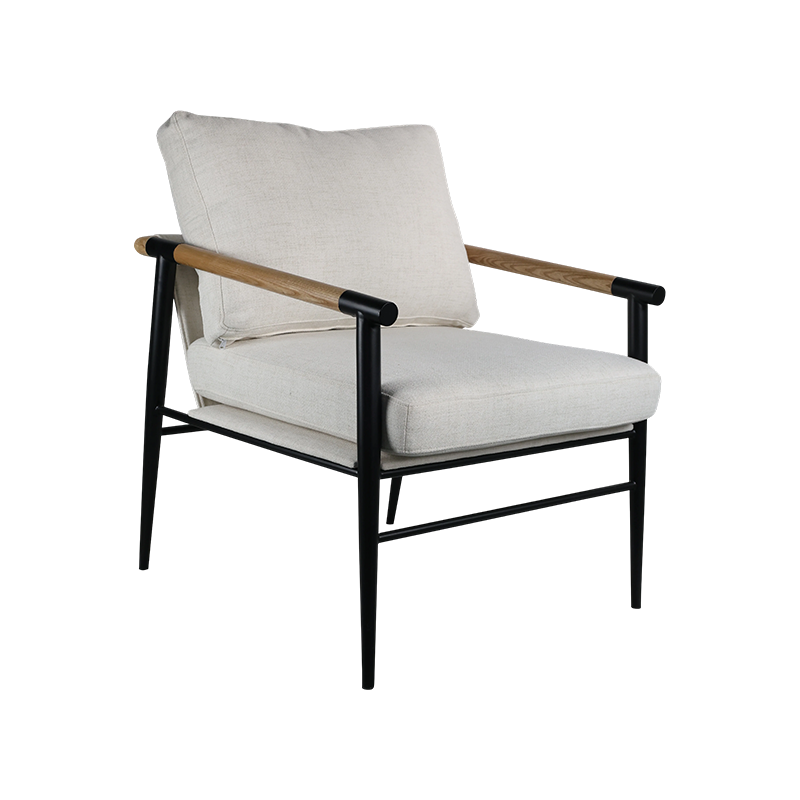
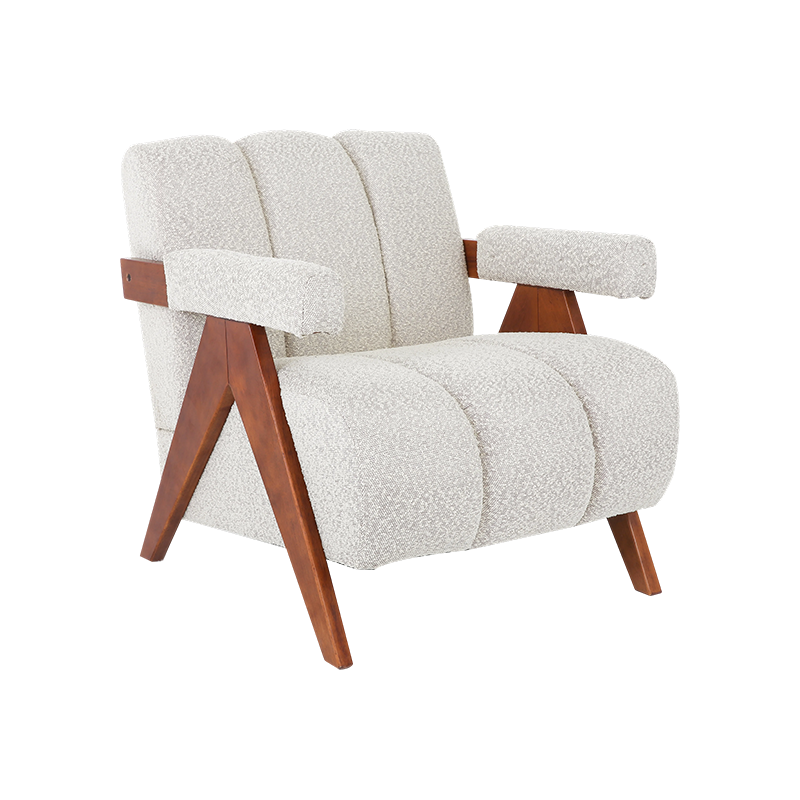
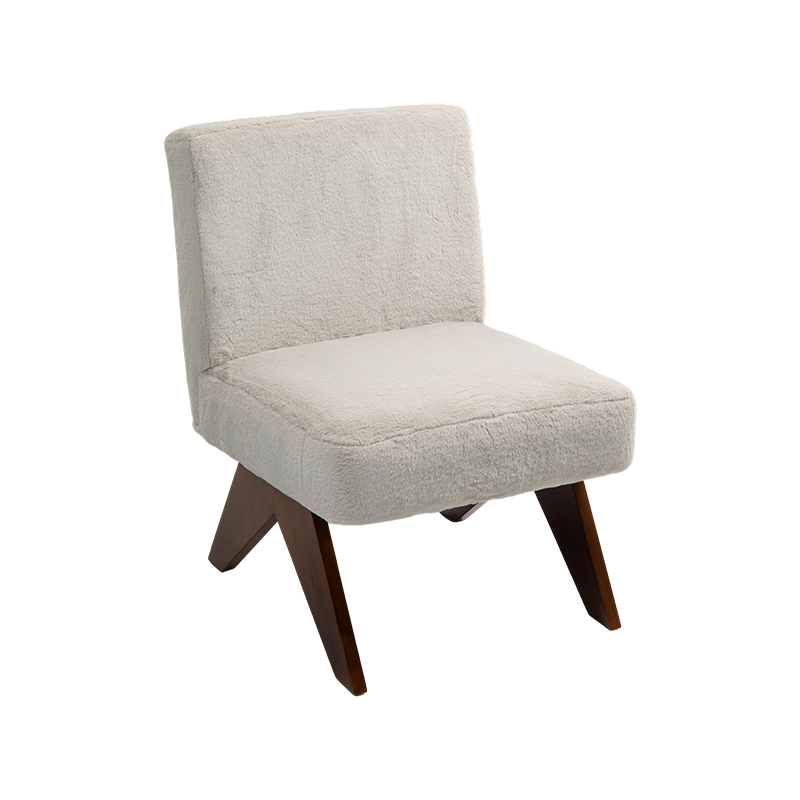
Smaller kitchens are changing the way people think about furniture. When the available floor area is limited, every chair, stool, cabinet, and table needs to work with the layout instead of making movement more difficult. This is one reason Low Profile Counter Stools are receiving more attention in compact kitchen spaces.
The idea is fairly simple. A counter stool with a lighter visual shape can make an island or peninsula feel less crowded while still providing a practical place to sit. Depending on the design, a lower back, open frame, compact silhouette, or backless structure may also make it easier to push the seating closer to the counter when it is not being used.
But there is more behind this trend than saving floor space.
Kitchen islands have become multifunctional areas in many homes. They can be used for eating, preparing food, working, studying, having coffee, or talking with family members. As the role of the island changes, seating also needs to fit a wider range of everyday situations.
For furniture buyers and manufacturers, this creates an interesting question: how can counter seating provide comfort and practical function without becoming visually heavy in a smaller room?
Why Are Smaller Kitchens Changing Seating Choices?
A large kitchen gives furniture more room to breathe. A compact kitchen does not have the same flexibility.
When stools are placed around an island, their size affects more than the seating area. They can influence walking paths, the visual connection between the kitchen and nearby rooms, and how easily people can move around the island.
This is why proportion matters.
A stool that looks appropriate in a large open kitchen may feel different when placed in a compact apartment kitchen. A high backrest, wide frame, or visually heavy base can become a noticeable part of the room.
Smaller spaces often call for a different approach.
Instead of adding furniture with a strong visual presence, designers may look for seating that maintains a clearer relationship between the island and the surrounding room.
The Island Has Become More Than a Kitchen Surface
Modern kitchen islands can serve several purposes throughout the day.
In the morning, the island may become a breakfast area. Later, it may be used for a laptop or schoolwork. In the evening, it can become a place for casual dining or conversation.
This multifunctional use means seating cannot always be treated as an afterthought.
A suitable stool needs to work with the island rather than compete with it. Its shape, height relationship, seat construction, and overall appearance all contribute to how the space functions.
For a compact kitchen, that relationship becomes even more noticeable.
What Does Low Profile Really Mean in Counter Seating?
Low profile does not necessarily mean that every part of a stool is physically lower.
The term can describe the overall visual character of the furniture. A stool may have a relatively simple frame, a low backrest, a narrow silhouette, or a structure that allows it to sit neatly beneath a counter.
Different designs can achieve a similar visual effect in different ways.
| Design Approach | How It Can Affect a Small Kitchen |
|---|---|
| Low backrest | Keeps more of the island and surrounding area visible |
| Backless structure | Can create a simple silhouette and allow closer positioning |
| Open frame | Reduces the visual weight of the furniture |
| Compact seat shape | Helps the stool fit naturally within tighter layouts |
| Curved frame details | Can soften the appearance of hard kitchen surfaces |
| Upholstered seat | Adds softness and can support different interior styles |
| Mixed materials | Allows manufacturers to combine different visual qualities |
There is no single design that works for every project. The intended user, room layout, interior style, and application all need to be considered together.
This is particularly important for furniture manufacturers developing collections for different markets.
How Does a Lower Visual Profile Change the Room?
Furniture has both a physical presence and a visual presence.
A stool takes up a certain amount of floor space, but its frame and backrest can also influence how the room looks from across the kitchen.
In an open-plan home, this becomes important because the kitchen may be visible from the dining room or living room.
A large backrest can create a clear vertical line around the island. A more compact design may allow the island to remain visually connected with the rest of the room.
That does not mean one approach is suitable for every interior.
Some spaces benefit from statement seating with a noticeable back and substantial structure. Other rooms need furniture that blends more quietly into the overall layout.
Why Sightlines Matter
Sightlines are particularly useful when planning smaller interiors.
If people can see through or around a piece of furniture, the room may feel less visually divided. This can be useful in apartments, open kitchens, and spaces where the kitchen connects directly to another living area.
A low-profile stool can support this type of layout by keeping its silhouette relatively close to the counter.
The effect is subtle, but small design decisions can influence how furniture interacts with the entire room.
Can Compact Counter Seating Still Feel Comfortable?
This is one of the questions buyers often ask.
A smaller visual profile does not automatically mean an uncomfortable seat. Comfort depends on how several elements work together.
These can include:
- Seat shape
- Cushioning
- Backrest design
- Frame construction
- Foot support
- Surface finish
- Body support
- Overall proportions
The important point is balance.
If a manufacturer simply reduces the size of a conventional stool, the result may not provide the same sitting experience. Compact furniture often needs to be designed as a complete product rather than treated as a smaller version of another model.
For everyday kitchen seating, people may sit for breakfast, coffee, conversations, or short work sessions. The design therefore needs to consider how the body interacts with the seat and frame.
What Types of Small Kitchens Can Use This Style?
Low-profile seating can work across several kitchen layouts.
It may be considered for:
- Apartment kitchens
- Compact family kitchens
- Kitchen islands
- Kitchen peninsulas
- Open-plan interiors
- Breakfast counters
- Studio apartments
- Small dining areas
- Flexible living spaces
The application still matters.
A stool intended for a compact apartment may have different design priorities from seating developed for a hospitality project. Residential users may focus heavily on appearance and everyday comfort, while commercial buyers may also consider maintenance, material suitability, collection consistency, and repeated use.
This difference creates opportunities for manufacturers to develop related products for different customer groups.
Why Are Backless Designs Also Interesting?
Backless counter stools have a particular advantage in compact layouts: their visual structure can remain simple.
When the stool is not being used, it may be positioned closer beneath the counter. This can help keep the surrounding area clear.
The design also has a different visual character from a stool with a substantial backrest.
For some kitchens, this simplicity fits naturally with modern interiors. For others, a backrest may be preferred because users want additional support.
The choice should therefore start with the intended use rather than with a trend alone.
A furniture manufacturer needs to understand both sides of the equation.
How Do Materials Affect the Look of a Counter Stool?
Material selection can change the character of a compact stool considerably.
Wood can bring a warmer and more natural appearance. Metal can create a cleaner structural expression. Upholstery can introduce softness, texture, and additional opportunities for color coordination.
Combining materials can create another direction.
For example, a structured frame paired with a softer seat can balance a simple silhouette with a more comfortable appearance. Different combinations can also help furniture collections coordinate with kitchens that use wood cabinetry, stone-like surfaces, painted finishes, or other interior materials.
Upholstery Adds Design Flexibility
Upholstery is not only about the sitting surface.
Fabric texture, color, stitching, and surface appearance can all change how a stool relates to the surrounding room.
For furniture buyers, this can be useful when creating different collections for different markets.
A basic stool structure may be adapted through seat materials or finishes, allowing a manufacturer to develop several visual directions without changing the entire concept.
This type of flexibility can be particularly relevant to OEM and ODM projects.
What Should Furniture Buyers Consider Before Choosing Compact Stools?
For a furniture buyer, appearance is only one part of the decision.
A practical evaluation should consider the product from several angles.
1. Intended Application
Start with the environment.
Is the stool intended for residential kitchens, apartments, hospitality spaces, dining areas, or another setting?
The answer can influence material selection, structure, comfort requirements, and design direction.
2. Relationship With the Counter
The stool needs to work naturally with the counter or island.
Rather than focusing on one isolated dimension, buyers should consider how the seat, frame, and surrounding furniture interact as a complete arrangement.
3. Movement Around the Island
Compact kitchens depend heavily on circulation.
A stool should not create unnecessary obstacles when people are walking around the island or accessing nearby cabinets and appliances.
4. Visual Weight
Look at the stool from different positions.
How does it appear when viewed from the kitchen? How does it look from the living room? Does the backrest create a strong visual barrier?
These questions can help identify whether the design suits an open layout.
5. Collection Compatibility
Retailers may want stools to work with dining chairs, tables, lounge furniture, or other products in the same collection.
A consistent design language can make a furniture range easier to present.
Why Does Proportion Matter So Much?
Two stools can occupy a similar amount of space but look completely different.
One may have a thick frame and a strong backrest. Another may use an open structure and a lighter silhouette.
This is why proportion is more useful than simply asking whether a stool is small.
The goal is not to make every part of the product as small as possible.
Instead, the goal is to create a relationship between the seat, frame, counter, floor, and surrounding furniture.
A well-considered proportion can make a compact stool feel intentional rather than undersized.
How Can Manufacturers Respond to Changing Kitchen Layouts?
Furniture manufacturers are increasingly dealing with buyers who need products for different room sizes and interior preferences.
A single fixed design may not meet every market requirement.
This is where product development can become more flexible.
Manufacturers may develop related versions with different:
- Backrest styles
- Seat treatments
- Frame materials
- Surface finishes
- Upholstery choices
- Color combinations
- Design details
The purpose is not simply to create more versions.
The purpose is to give buyers practical options when they are building furniture collections for different customers.
For a supplier, understanding the reason behind each variation is important.
What Role Can OEM and ODM Play?
Counter stools are highly visible pieces of kitchen furniture.
A retailer or furniture brand may want a stool that coordinates with an existing collection rather than selecting a completely unrelated product.
OEM and ODM development can provide a way to adjust a design around a specific market or collection.
Depending on the project, customization may involve:
- Overall styling
- Seat materials
- Upholstery
- Frame finishes
- Color coordination
- Backrest details
- Matching furniture pieces
The actual scope depends on the project requirements.
For manufacturers, this means product development should remain closely connected to the buyer's intended market.
A design that works well for one collection may need changes for another.
What Are Furniture Retailers Looking For in This Category?
Retailers often need products that are easy for customers to understand.
A stool may look attractive in a product photograph, but buyers also want to know where it can be used and why it fits their space.
This makes practical product positioning important.
A compact counter stool can be presented around several use cases:
Small kitchen seating
Useful when floor space is limited and the island needs to remain easy to navigate.
Open-plan seating
Suitable for interiors where the kitchen and living areas visually connect.
Flexible everyday furniture
Useful when an island serves as both a dining and activity area.
Coordinated furniture collections
Helpful when seating needs to work alongside tables, chairs, or other pieces.
This application-based approach can make it easier for customers to understand the role of the product.
Could Smaller Homes Influence Future Stool Design?
Smaller homes are encouraging people to think more carefully about how furniture occupies space.
This does not necessarily mean every future furniture product needs to become smaller.
Instead, furniture may need to become more adaptable.
A stool might need to look good when it is being used and remain unobtrusive when it is pushed under a counter. It may need to coordinate with several interior styles while retaining a clear identity.
This is an interesting direction for manufacturers because it shifts attention from decoration alone toward practical design.
Flexible Furniture Fits Flexible Lifestyles
A kitchen island can support several activities within the same day.
The furniture around it needs to accommodate those changes.
When seating can be moved easily, stored closer to the counter, or visually blend with the surrounding furniture, the room has more flexibility.
This is especially relevant to compact homes where one area often needs to serve several functions.
What Design Details Can Make a Difference?
Small details can have a surprisingly large effect on the overall appearance of a stool.
Consider the following areas:
| Detail | What Buyers May Consider |
|---|---|
| Seat shape | Comfort and visual character |
| Backrest | Support and overall silhouette |
| Frame | Stability, appearance, and construction |
| Material | Interior coordination and intended use |
| Finish | Visual consistency with other furniture |
| Upholstery | Softness, texture, and color options |
| Foot support | Sitting experience |
| Overall silhouette | Relationship with the surrounding space |
No individual feature should be viewed in isolation.
The best product development decisions usually come from considering the entire furniture piece and its intended environment.
Why Is This Relevant to Furniture Manufacturers?
For manufacturers, the growing interest in compact seating is not simply a trend around one type of stool.
It reflects a wider shift in how residential spaces are being used.
Kitchens are becoming more connected with living areas. Islands are taking on several functions. Buyers are paying attention to furniture proportions, material combinations, and flexibility.
This creates opportunities for manufacturers to think about seating as part of a larger furniture system.
Instead of developing only an individual stool, a supplier can consider how the product relates to:
- Dining chairs
- Kitchen islands
- Tables
- Lounge seating
- Apartment furniture
- Hospitality furniture
- Custom collections
This approach can help create a more connected product range.
How Should You Choose a Low Profile Counter Stool for a Small Kitchen?
There is no single answer for every kitchen.
Start with the space itself.
Look at the island, walking paths, nearby cabinets, surrounding furniture, and overall interior style. Then consider how often the stool will be used and what type of sitting experience is expected.
After that, examine the furniture itself.
Does the silhouette work with the room? Is the backrest appropriate for the intended use? Does the frame complement the interior? Can the material and finish work with the wider furniture collection?
For buyers sourcing from a manufacturer, it is also useful to discuss customization requirements early in the development process.
That can help align the product with the intended market before production planning begins.
A Simple Checklist for Buyers
Before selecting a compact counter stool, buyers can review these points:
- Where will the stool be used?
- How will people move around it?
- Does the silhouette suit the room?
- Is a backrest needed?
- Would a backless design make more sense?
- What type of seat material fits the application?
- Does the frame coordinate with the interior?
- Will the stool work with other furniture?
- Is customization required?
- Can the manufacturer support the intended product direction?
These questions can make the sourcing process clearer.
The Growing Interest in Compact Kitchen Seating
The rise of Low Profile Counter Stools is closely connected with the changing role of the kitchen.
As kitchens become more multifunctional, furniture has to fit more activities into the same area. Smaller homes make this challenge even more noticeable.
A compact visual profile can help seating maintain a closer relationship with the island and surrounding room. Low backs, open frames, backless structures, upholstery, wood, metal, and mixed materials each provide different ways to approach the same challenge.
For homeowners, the goal may be a kitchen that feels easier to move through.
For designers, it may be about maintaining visual balance.
For retailers, it may be about offering furniture that fits current space-planning needs.
For manufacturers, it is about developing practical seating that can adapt to different markets and collections.
That is why compact counter seating deserves attention beyond its appearance.
Looking at Counter Stools From a Manufacturer's Perspective
Furniture design starts with how a product will actually be used.
For a manufacturer, this means looking beyond the stool itself and considering the room, the customer, the furniture collection, and the market.
A low-profile design can be developed in different directions depending on those requirements. One project may call for a simple backless stool. Another may need an upholstered seat and supportive backrest. A different collection may require a particular combination of frame and finish.
The important part is understanding the application before deciding on the final design.
For furniture buyers working with a supplier, clear communication can also make the development process more efficient. Sharing the intended market, interior style, target customer, preferred materials, and customization requirements gives the manufacturer a stronger foundation for product development.
Smaller kitchens are changing the way people look at counter seating.
The question is no longer simply whether a stool can fit beside an island. Buyers and designers are also considering how it affects movement, sightlines, comfort, visual balance, and the overall character of the room.
This is where Low Profile Counter Stools can fit into the conversation.
Their compact visual character can work well with smaller kitchens, open layouts, kitchen islands, apartments, and other spaces where furniture needs to provide function without creating unnecessary visual weight.
For furniture manufacturers, the category also opens opportunities for different materials, silhouettes, upholstery choices, finishes, and OEM or ODM development.
Ultimately, choosing the right counter stool starts with understanding the space and the people who will use it. When design, comfort, materials, and application are considered together, compact seating can become a practical part of a well-planned kitchen rather than simply another piece of furniture around the island.
 Prev
Prev