
 English
 Français
 Español
 عربى


How Do You Choose Dining Chairs for a Restaurant?
Walk into any busy restaurant and the chairs are already at work: pulled out, pushed back, wiped down between seatings, and sat in for hours by guests who rarely think twice about them. In a private dining room a chair can afford to be purely decorative; here it has to survive constant handling, keep the floor plan flowing, and quietly shape how the whole space feels.
Choosing the right ones is therefore less about looks alone and more about how they fit the tables, the daily rhythm of service, and the kind of meal the restaurant wants people to remember.
What Should You Consider When Choosing Restaurant Dining Chairs
Choosing dining chairs for a restaurant is closely tied to how the dining room operates. The furniture needs to fit the available space, work with the tables, remain practical during busy service, and match the atmosphere created by the interior. A chair that looks appropriate in a showroom may feel quite different once dozens of customers and staff are moving around it every day.
Restaurant Layout
Start by looking at the dining room as a whole rather than choosing a chair in isolation. The distance between tables, position of entrances, staff routes, service areas, walls, and other fixed features all affect how much room is actually available for seating.
A chair also needs enough space to move when someone sits down or gets up. In a tightly arranged dining area, even a small difference in chair shape can affect the way customers and servers pass between tables.
The intended layout matters too. Some restaurants keep their tables in fairly fixed positions, while others move them to accommodate different groups or service arrangements. Furniture that is easy to reposition may be more practical in a space where the layout changes regularly.
Seating Comfort
A dining chair is part of the customer's experience from the moment they sit down. For a quick meal, the seating requirements may be relatively straightforward. In a restaurant where guests tend to remain at the table for longer periods, the chair becomes a more noticeable part of the overall experience.
The seat shape, backrest, proportions, and surface all contribute to how the chair feels during use. These details are difficult to judge from photographs alone, particularly when a chair will be occupied for an extended period.
The restaurant's service style is therefore worth considering alongside the chair itself. A busy casual dining room and a setting designed around longer meals may call for different approaches to seating.
Chair Size and Proportion
The dimensions of a chair affect more than the comfort of one person. Once several chairs are positioned around a dining table, their combined space determines how easily people can sit, stand, and move through the surrounding area.
A wide chair may provide a generous seating area but leave less room between neighboring tables. A more compact design may make circulation easier but create a different seating experience.
The relationship with the table should also be checked. Seat height, armrests, backrest shape, and the position of the chair beneath the table can all affect how comfortably the furniture works as a set.
Whenever possible, evaluate chairs in an arrangement that resembles the actual restaurant layout. Looking at one chair on its own rarely shows how the furniture will behave once multiple tables and seats are brought together.
Material Selection
Restaurant chairs face conditions that ordinary household furniture may not encounter as frequently. Food and drinks can be spilled, surfaces are touched repeatedly, chairs are moved throughout the day, and cleaning becomes part of the normal operating routine.
The material should therefore suit the environment rather than being selected only for appearance.
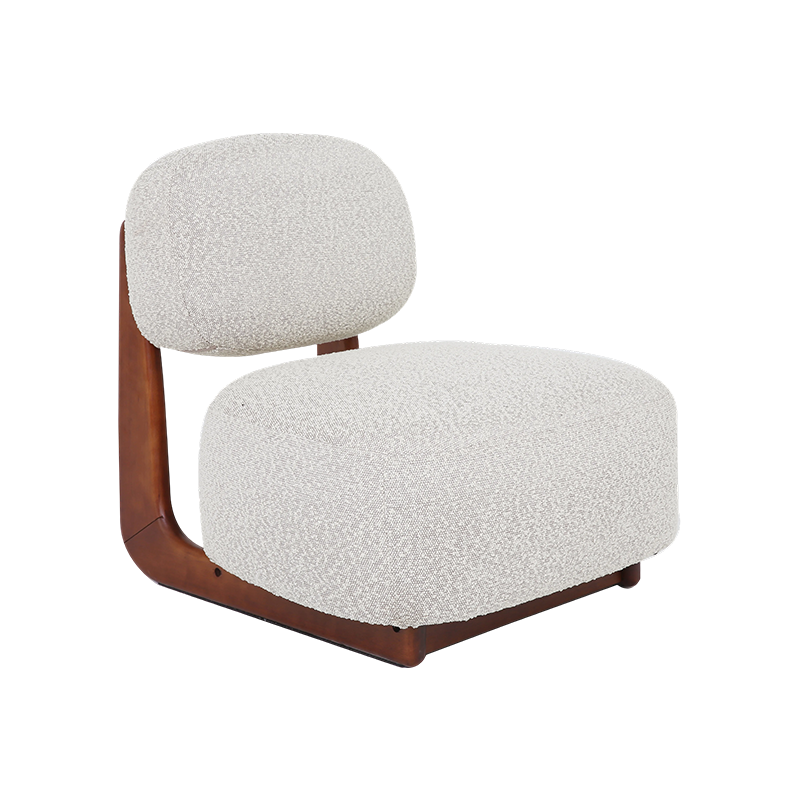
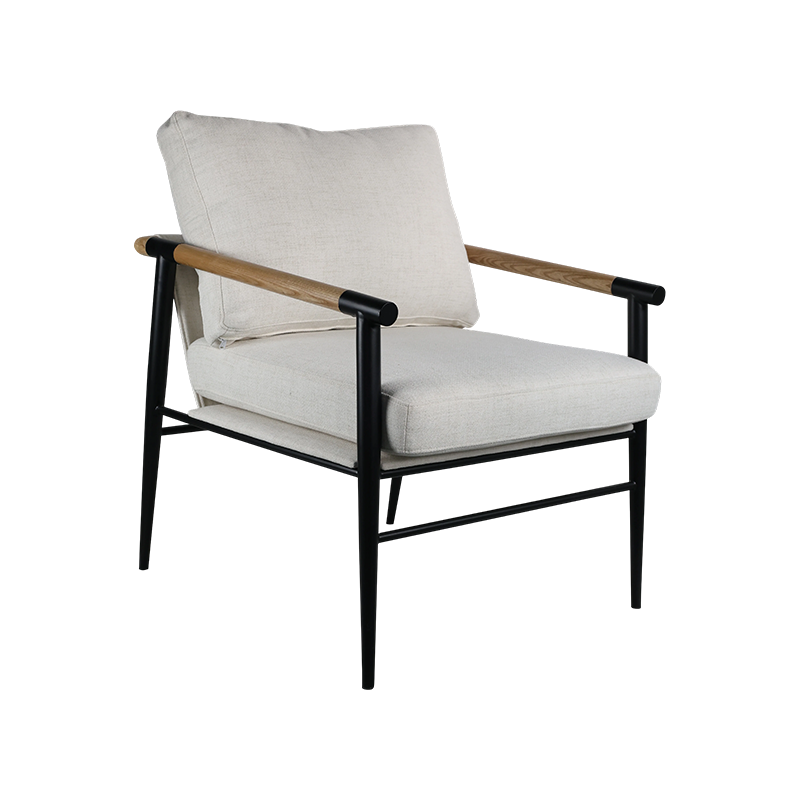
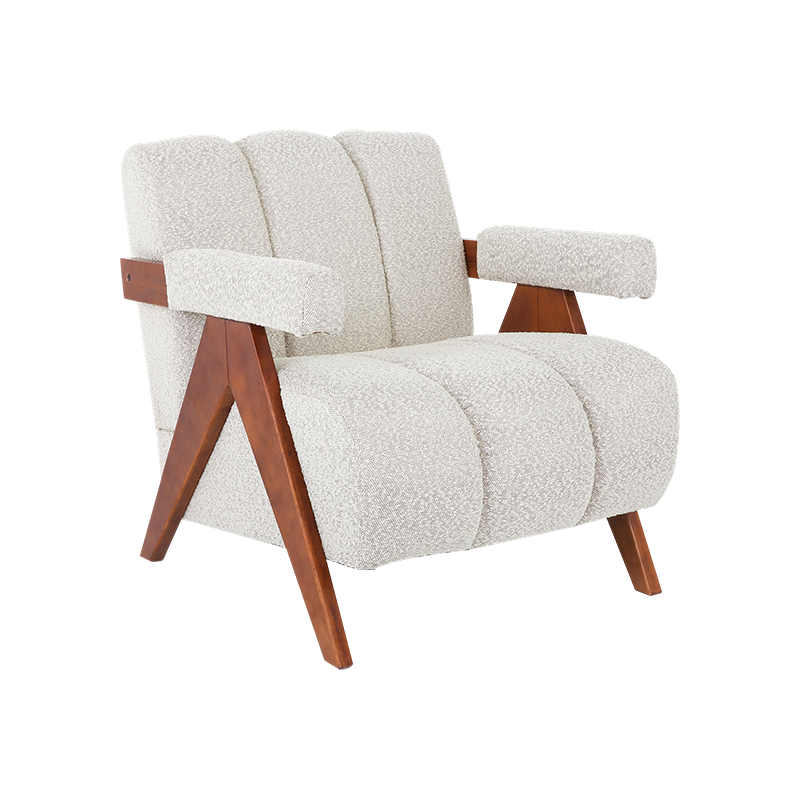
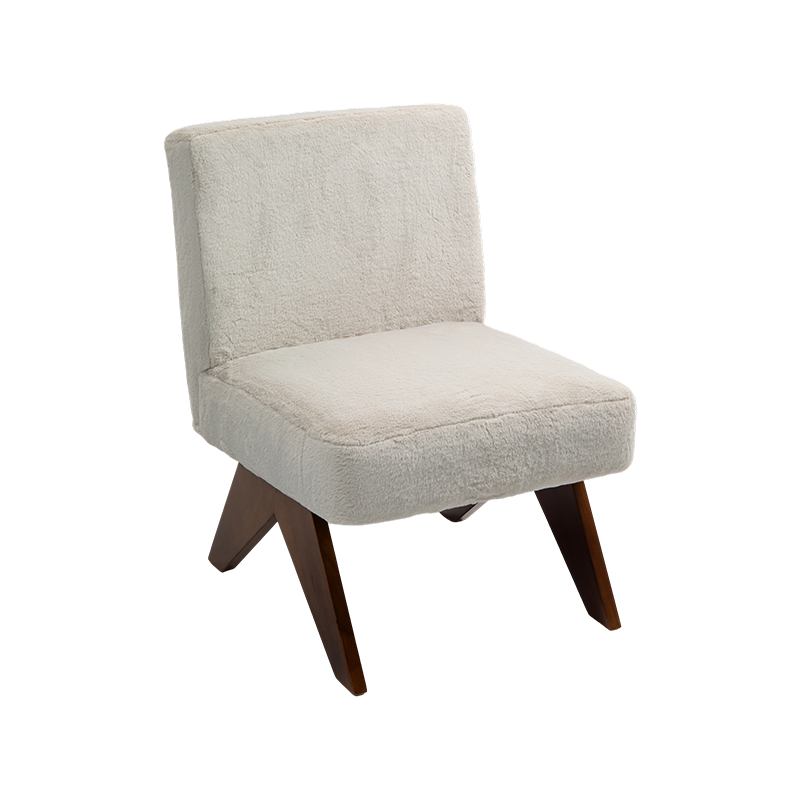
Wood can add warmth and a natural character to the dining room. Metal may fit interiors with a more structured or contemporary look. Plastic can be useful when easy handling and straightforward cleaning are priorities. Upholstered seating introduces a softer appearance and can change the feel of the dining area.
Each option also brings different care requirements. Before making a choice, it is worth thinking about how the surface will be cleaned, how the chair will be handled, and whether its appearance will continue to fit the restaurant as the furniture becomes part of everyday service.
The best match is ultimately the one that makes sense for the restaurant's layout, service routine, interior character, and expected level of use rather than one chosen from appearance alone.
How Does Restaurant Style Affect Dining Chair Selection
Dining chairs are part of the visual identity of a restaurant, but they also have to make sense within the way the space operates. A chair that looks natural in a relaxed café may feel out of place in a formal dining room, while a design intended for a refined setting may not be practical where furniture is moved repeatedly throughout the day.
The choice becomes easier when the chair is viewed alongside the tables, lighting, flooring, wall finishes, and general atmosphere rather than as a separate piece of furniture.
Casual Restaurants
A casual restaurant usually calls for an atmosphere that feels comfortable and easy to approach. The furniture can follow the same direction, with chair designs that fit naturally into a relaxed dining environment without making the room feel overly formal.
Practicality also matters during daily service. Tables may be moved to accommodate different groups, chairs may need to be shifted while staff clean the floor, and the dining area may be reset several times throughout the day.
For this type of setting, a straightforward chair design can make furniture arrangements easier to manage. Surfaces that can be cleaned without complicated procedures are also useful when food and drinks are part of everyday use.
The goal is to create a dining area where the furniture feels welcoming while remaining easy for staff to handle.
Fine Dining Spaces
In a formal restaurant, dining chairs contribute more directly to the atmosphere guests experience from the moment they enter the room. Their shape, texture, upholstery, and overall appearance can influence how the tables and surrounding interior are perceived.
A chair does not necessarily need elaborate decoration to suit this environment. What matters is how its proportions and materials relate to the character of the dining room. A carefully chosen design can complement the table setting and surrounding finishes without competing with them.
Seating comfort also deserves close attention when guests are likely to remain at the table for an extended meal. The backrest, seat construction, surface, and overall form all become part of that experience.
In this type of restaurant, the chair serves a visual purpose as well as a practical one. It needs to look at home within the interior while remaining comfortable throughout the meal.
Cafés and Flexible Dining Areas
Cafés often have a more changeable rhythm than traditional dining rooms. A table may serve one customer in the morning, become part of a larger group later in the day, and then be rearranged again before closing.
That kind of flexibility places greater emphasis on how easily the furniture can be handled. Chairs that are simple to move can make it easier for staff to adjust the room without disrupting customers or spending unnecessary time on each layout change.
Storage can become another practical issue. When part of the dining area needs to be cleared, spare chairs have to go somewhere. Designs that are easier to stack, store, or organize may be useful where available floor space changes according to the time of day.
The right dining chair for a café is therefore closely connected to the pace and flexibility of the space. Appearance still matters, but it works best when combined with furniture that can keep up with the way the café is actually used.
What Materials Are Suitable for Restaurant Dining Chairs
The material of a dining chair affects more than its appearance. It can influence how the chair feels in the space, how it is handled during daily service, and how it fits into the restaurant's cleaning and maintenance routine.
| Material | Typical Characteristics | Suitable Considerations |
|---|---|---|
| Wood | Warm, natural appearance with a familiar furniture feel | Restaurants with classic, natural, or welcoming interiors |
| Metal | Clean structural appearance and flexible style coordination | Contemporary dining areas and structured interior layouts |
| Plastic | Lightweight construction and straightforward surface cleaning | Casual restaurants and spaces where furniture is moved regularly |
| Upholstered Materials | Softer visual character and a more cushioned seating feel | Dining areas where seating comfort and interior texture are important |
Material selection should not be separated from the restaurant's maintenance routine. A surface that looks attractive but requires complicated care may create additional work for staff.
Similarly, a material should be considered in relation to the surrounding environment. Indoor dining, semi-outdoor areas, and other settings can expose furniture to different conditions.
How Important Is Chair Durability in a Restaurant
Restaurant furniture experiences a different pattern of use from chairs in a private home. Customers sit down, move the chairs, leave, and return throughout the day. Staff may also move furniture during cleaning or when adjusting the dining arrangement.
Consider Daily Use
The expected frequency of use should influence the selection. Chairs for a busy dining room need to remain practical as part of a repeated daily routine.
Instead of looking only at the initial appearance, restaurant operators can consider how the chair is likely to behave after regular handling. Stability, construction quality, surface condition, and ease of movement can all be relevant.
Consider the Restaurant Environment
The dining environment can also affect furniture choices.
Food particles, spilled drinks, cleaning products, humidity, and frequent contact can gradually affect furniture surfaces. Restaurants with different environmental conditions may therefore require different material considerations.
Understanding the actual environment helps narrow down suitable chair designs before purchasing.
Think About Maintenance
Maintenance is often easier to manage when it is considered from the beginning. Restaurant chairs may need regular wiping, cleaning, inspection, and occasional adjustment or repair.
A chair with an easy-to-maintain surface can fit more naturally into an existing cleaning routine. The important point is not simply how easy a chair is to clean when new, but whether its maintenance requirements remain manageable as part of everyday restaurant operations.
Should Dining Chairs Be Easy to Move
Movement is an important but sometimes overlooked part of restaurant furniture selection.
Tables may need to be rearranged for different groups, cleaning staff may need access to the floor, and chairs may need to be moved at the beginning or end of service. In a flexible dining environment, this can happen regularly.
Light and easy-to-handle chairs may simplify these tasks, but movement should still be considered together with stability. A chair that is easy to move should also feel secure when placed at the table.
The right balance depends on how the restaurant operates. A fixed dining arrangement may have different requirements from a space that changes its seating layout throughout the day.
How Do Dining Chairs Affect Restaurant Space
Dining chairs take up more room than their visible frame might suggest. Once a customer sits down, the chair becomes part of the circulation area around the table. Staff need to work around it, customers need to pull it out and return to their seats, and neighboring tables need to remain accessible. These everyday movements make chair selection closely connected with how efficiently a restaurant uses its floor space.
Seating Capacity
The number of seats a restaurant can accommodate is influenced by more than the size of its tables. The width and shape of the chairs, along with the space needed to use them comfortably, all become part of the layout.
A tightly packed table may technically hold several chairs, but that does not mean the arrangement will work well during service. Customers need enough room to pull a chair away from the table, sit down, and leave without constantly coming into contact with another table or person.
This is why seating plans need to balance the number of places available with the comfort and practicality of the room. A slightly more open arrangement may prove easier to use than a layout that fills every available section of the floor.
Walking Paths
Movement is a constant part of restaurant activity. Servers carry food and drinks between tables, customers walk to their seats, and staff move between the dining room, service stations, entrances, and other working areas.
A chair pushed neatly beneath a table takes up relatively little space. Once someone pulls it backward to sit down, its footprint changes. If the surrounding layout has not allowed for that movement, a previously clear passage can quickly become difficult to use.
For this reason, furniture planning needs to account for chairs in their normal position of use, not just their stored position beneath the table. Walking routes should remain practical even when the dining room is occupied.
Visual Space
Furniture also affects how spacious a restaurant appears. Two dining rooms with similar floor areas can create very different impressions depending on the visual weight of their chairs.
A chair with a high back and substantial frame may give the room a more enclosed appearance. An open-backed design or lighter-looking structure can leave more of the surrounding space visible.
This does not mean that one style is automatically more suitable than another. The choice depends on the atmosphere of the restaurant and the amount of furniture already present. In a compact dining room, keeping the visual field relatively clear may make the space feel less crowded and easier to understand at a glance.
Dining Chair Design and Restaurant Interior Style
A dining chair becomes part of the restaurant interior as soon as it is placed around a table. Its materials, shape, and finish interact with the elements surrounding it, so choosing it separately from the rest of the room can produce an inconsistent result.
The dining table is a natural place to begin. The two pieces do not have to share the same material or shape, but there should be some connection between them. A simple table, for instance, may work with a chair that introduces texture or a softer outline, while a more detailed table may call for a quieter chair design.
Other parts of the interior contribute to the same visual relationship. Flooring, wall finishes, lighting, counters, partitions, and decorative details all occupy the customer's field of view. A chair that works well with these elements can reinforce the intended character of the dining room without drawing unnecessary attention to itself.
Material is another way to shape the atmosphere. Wood can bring a warmer and more natural feeling to the room, while metal may suit an interior built around cleaner structural forms. Upholstered chairs can introduce additional texture and soften a space that otherwise relies heavily on hard surfaces.
There is no need for every piece of furniture to follow exactly the same design language. A restaurant can combine different materials and forms successfully when the overall arrangement feels deliberate. The aim is not uniformity, but a dining environment in which the chairs look as though they belong there.
Common Mistakes When Choosing Restaurant Dining Chairs
Choosing dining chairs only becomes a problem when their appearance is given more attention than the way they will actually be used. A chair can fit the visual concept of a restaurant and still create difficulties during daily operation. Before making a decision, it is worth looking beyond the showroom appearance and thinking about what happens after the chairs are placed in the dining room.
Choosing Appearance Without Considering Daily Use
A chair may look comfortable and well suited to the interior, but its practical performance depends on how people interact with it throughout the day. Customers sit down, move the chair, get up, and return to the table repeatedly. Staff may also need to move chairs while cleaning or preparing the dining area.
If these everyday actions are not considered beforehand, a visually appealing chair may become less convenient once the restaurant is in regular operation.
Treating Chairs and Tables as Separate Purchases
Dining chairs rarely work on their own. Their shape and proportions affect how people sit at the table, how easily they can enter and leave their seats, and how the entire arrangement looks.
For this reason, chairs should be considered together with the tables they will be used with. A combination that looks suitable when each piece is viewed separately may feel awkward once the furniture is arranged as a complete dining setting.
Forgetting About Circulation Space
A restaurant needs room for movement as well as seating. Chairs can take up considerably more floor space when they are pulled away from the table, particularly during busy periods.
If a chair sits too close to a service route, entrance, or neighboring table, it may interfere with normal movement. Furniture planning should therefore take the occupied position of the chair into account instead of looking only at how much space it uses when pushed under the table.
Choosing Materials That Are Hard to Maintain
Restaurant chairs are exposed to frequent use and regular cleaning. Materials that require complicated care may create extra work for staff, especially when furniture needs to be cleaned quickly between periods of service.
The material should therefore be considered alongside the restaurant's actual cleaning routine. Ease of care, resistance to everyday handling, and compatibility with the surrounding environment all have a practical role in the selection process.
Overlooking How the Restaurant Operates
Not every restaurant uses its dining furniture in the same way. Some spaces keep tables and chairs in relatively fixed positions, while others regularly combine, separate, or rearrange tables according to customer needs.
This difference can influence which chair design is appropriate. Furniture that is easy to handle may be more convenient in a room where layouts change frequently, while a fixed arrangement may allow greater attention to other considerations.
Looking Only at the Purchase Cost
The initial price is only one part of the furniture decision. Once the chairs are in use, cleaning, maintenance, repositioning, storage, and general wear become part of their practical cost.
A chair that fits the budget at the purchasing stage may require more attention later if it does not suit the restaurant's daily routine. Looking at how the furniture will be used over time provides a clearer basis for comparison.
How to Compare Different Dining Chairs Before Buying
Comparing several dining chairs is easier when the decision is based on the actual conditions of the restaurant. Instead of judging each chair by appearance alone, consider how it will fit into the room, how customers will use it, and how staff will handle it during everyday work.
Start With Seating Comfort
Think about the typical dining experience before comparing individual chair designs. If customers are likely to remain seated for a longer meal, the shape of the seat and backrest becomes particularly relevant.
Comfort should also be considered in relation to the table. A chair that feels acceptable on its own may not provide the same experience when paired with a particular table height, shape, or surrounding arrangement.
Examine the Materials
Material selection should reflect both the appearance of the restaurant and the conditions in which the chairs will be used.
Consider how the surface responds to regular cleaning, how easily it can be cared for, and whether it fits the atmosphere created by the rest of the interior. A material that looks attractive but does not fit the restaurant's cleaning habits may create unnecessary work later.
Think About Maintenance
Daily maintenance is easy to overlook during the buying process because new furniture naturally receives more attention for its appearance.
A better approach is to imagine the chairs after months of regular service. Can staff clean them as part of their existing routine? Are there areas that may collect dirt or require additional attention? Can ordinary maintenance be carried out without disrupting restaurant operations?
These practical questions can reveal differences that are not obvious when comparing chairs in a catalogue or showroom.
Check the Available Space
A chair should also be judged by how it behaves within the existing floor plan. Look at the relationship between the chair, dining table, nearby seating, entrances, and service routes.
It can help to picture a customer pulling the chair out, sitting down, standing up, and leaving the table. Thinking through these movements gives a more realistic impression of whether the furniture will work in the actual dining environment.
What Questions Should Restaurants Ask Before Choosing Dining Chairs
Before making a final furniture decision, restaurant operators can look at the selection from several practical angles:
- Where will the chairs be placed, and what type of dining environment will they serve?
- How are the tables currently arranged?
- How much time do customers normally spend at the table?
- Will the chairs remain in fixed positions or be moved regularly?
- Does the selected material fit the restaurant's everyday cleaning process?
- Will employees need to move the chairs during cleaning, preparation, or service?
- Do the chairs form a natural visual connection with the tables and surrounding interior?
- Can customers sit down, stand up, and move through the dining area without creating unnecessary obstacles?
Working through these questions helps shift the decision away from appearance alone. The focus becomes the complete dining environment, including customer comfort, staff movement, maintenance work, furniture placement, and the way the restaurant operates from day to day.
Choosing Dining Chairs for Everyday Restaurant Use
In a working restaurant the chairs are never just sitting still. Guests shift in them for an hour or more, servers squeeze past them with trays, and at the end of service they get stacked, wiped, or dragged into new positions for the next shift.
Comfort, clearance and cleanability stop being abstract checkboxes the moment the doors open and the first customers sit down.
That is why the smartest place to begin is the room itself: how the tables are spaced, where people walk, how often the furniture gets handled, and what the closing routine looks like. Once those daily realities are clear, decisions about shape, material, padding and style fall into place more naturally. The goal is not a chair that draws attention, but one that simply works—quietly supporting the way the dining room actually runs.
 Prev