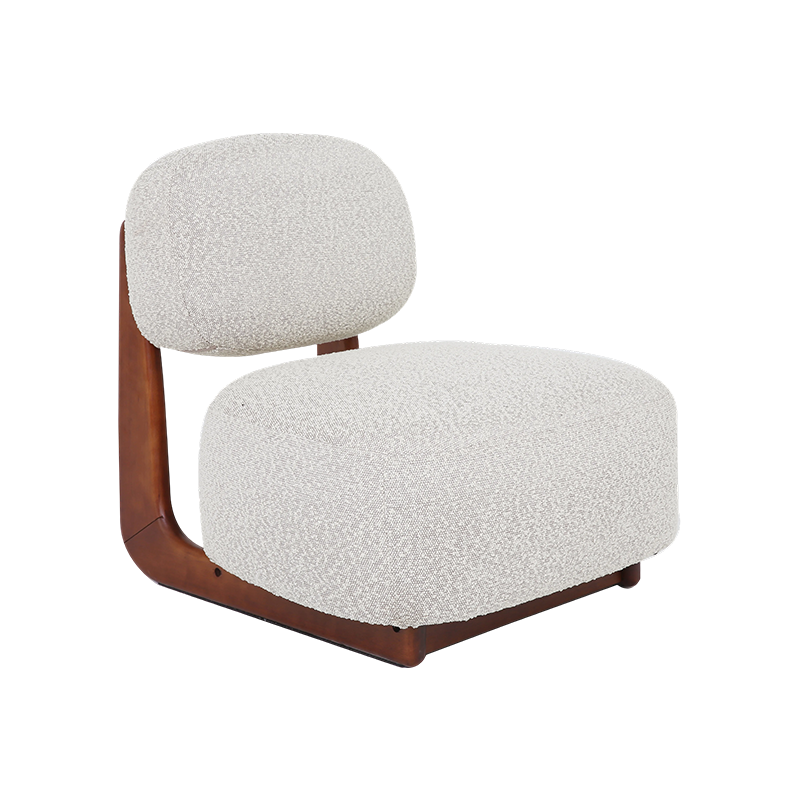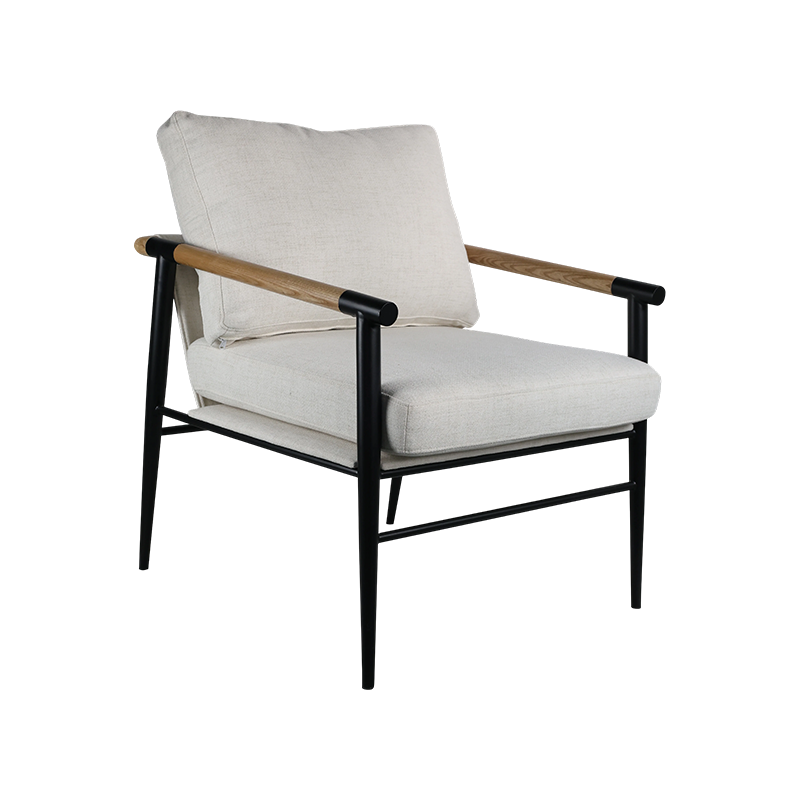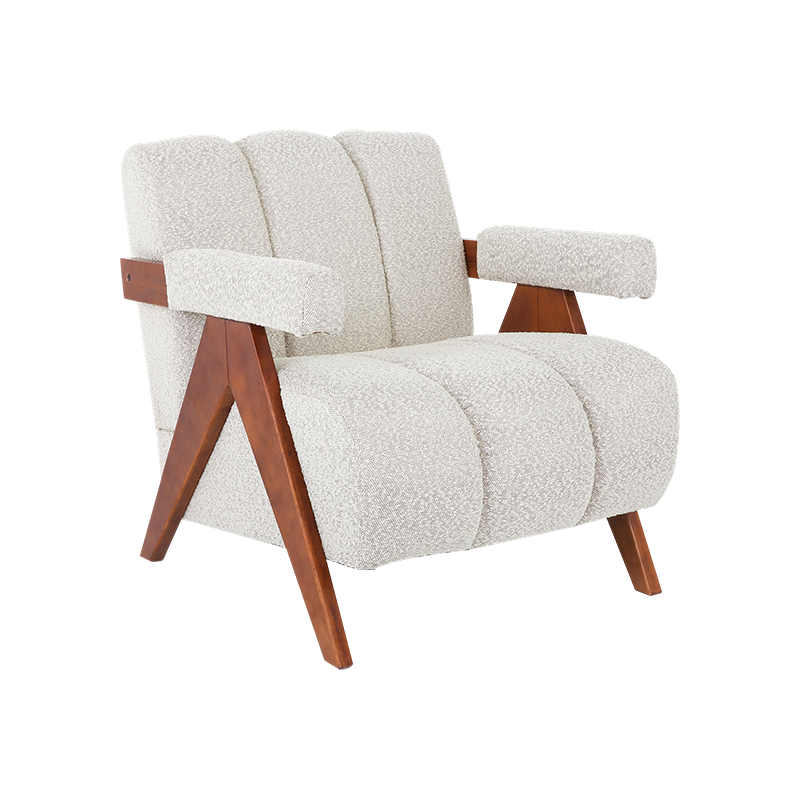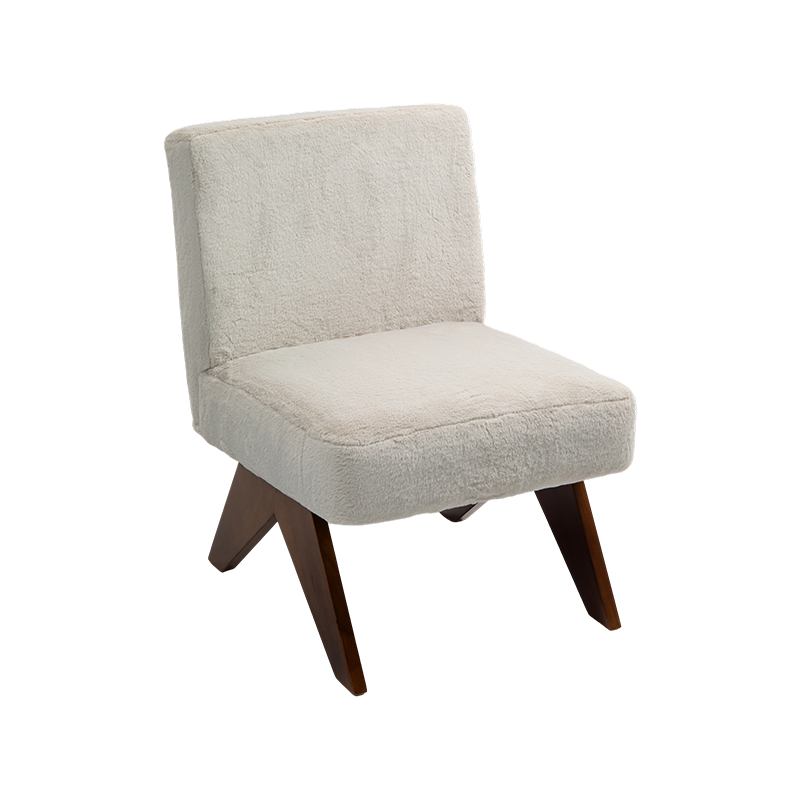
A lounge chair can look great in a showroom and feel soft when you sit in it, but six months later the joints might be loose and the seat sagging. The frame is usually the culprit. It's what holds the seat, backrest, armrests, and legs together, so if you're sourcing a Comfortable Bedroom Lounge Chair in bulk, the frame deserves at least as much attention as the upholstery and finish. Retailers, hotels, and other bulk buyers should look under the fabric before making a decision.
Frame Construction Determines Stability
The frame carries the user's weight and sends it down to the floor. Weak joints or poorly supported sections cause wobbling, deformation, or squeaking over time. When you inspect a chair, check that all four legs sit evenly on a flat surface. Look underneath the seat for loose connections, thin support rails, and missing reinforcement. Wider chairs often need crossbars or extra supports to keep movement down. And don't assume a heavier frame is stronger—joint quality and load distribution matter more than weight alone.
Compare Common Frame Materials
Solid wood, metal, and engineered wood all show up in lounge chairs. Solid hardwood gives that traditional furniture look and decent structural strength when it's properly selected and dried. Check the wood species, moisture content, and grain quality. Poorly dried wood warps or cracks, which puts stress on the joints. Steel allows slimmer frame designs and strong support. Pay attention to weld quality, protective coatings, and exposed edges, especially for chairs used in humid rooms. Plywood and other engineered wood panels offer consistent dimensions, but strength varies with material grade, thickness, and bonding quality. Make sure the panels are suitable for load-bearing sections.
The Frame Also Affects Seating Comfort
Cushion softness is only part of the story. The frame underneath determines how well the seat is supported. Too much movement in the seat base causes the cushion to sag. Unsuitable seat dimensions or backrest angles make the chair uncomfortable no matter how thick the foam is. Seat depth, width, backrest angle, and armrest height should suit the intended users. Also check the support system beneath the cushion—springs, webbing, elastic straps, and solid platforms each give a different feel.
Examine Joints and Reinforcement
The connections between the legs, seat, and backrest take repeated stress every day. How they're built makes a big difference to service life.
| Frame construction feature | Main purpose | What buyers should inspect |
|---|---|---|
| Mortise-and-tenon joints | Connect wooden frame members | Fit accuracy and adhesive application |
| Dowel joints | Align and join wood components | Dowel placement and joint tightness |
| Screws and bolts | Secure fixed or detachable parts | Fastener quality and resistance to loosening |
| Metal brackets | Reinforce connections | Bracket thickness and secure fastening |
| Welded joints | Connect metal frame sections | Weld consistency and visible defects |
| Cross-supports | Reduce frame movement | Position and attachment strength |
No joining method guarantees a durable chair by itself. Poorly fitted dowels, loose bolts, uneven welds—any of them can become a failure point. Ask the manufacturer how these connections are assembled and inspected.
Ask for Durability Test Reports
A chair might feel stable during a quick inspection but behave differently after months of use. Static load tests show how the frame handles a specified weight. Cyclic tests simulate repeated sitting and standing. Stability tests check tipping resistance. Request reports for the exact model you're considering, not just another chair from the same collection. The test method, loading conditions, and acceptance criteria should be clearly stated.
Check Maintenance and Production Quality
For hotels, retailers, and property projects, repair costs add up fast across a large order. Find out whether replacement legs, brackets, and fasteners are available. Consider moisture resistance, corrosion protection, and packaging safeguards during transport. Ask how the factory controls wood moisture, welding, surface treatment, and final assembly. One well-finished sample doesn't guarantee every chair in a production batch will match.
When comparing lounge chairs, look beyond the upholstery. A close inspection of the frame, joints, and seat support tells you far more about how the chair is built and how it'll hold up in everyday use.

English
Français
Español
عربى