
 English
 Français
 Español
 عربى
عربى

Why Custom Office Desk Chairs With Wheels Continue to Shape Modern Workspaces
Home / News / Industry News / Why Custom Office Desk Chairs With Wheels Continue to Shape Modern Workspaces

Office Desk Chairs With Wheels are found in almost every type of workplace, from large office buildings and coworking spaces to small home offices and creative studios. Because they are so common, people rarely stop to think about why they became a standard part of office environments. In many ways, their popularity reflects how work itself has changed over time.
A modern workday rarely follows a simple routine. An employee may begin by reviewing emails, spend part of the morning preparing documents, attend a meeting before lunch, and then switch to project work during the afternoon. Even when most tasks are completed at a desk, there is usually a surprising amount of movement involved. Files need to be accessed, equipment needs attention, and conversations happen throughout the day.
Walk through an office on a normal weekday and it becomes clear that people are constantly adjusting their position. Someone leans toward a second monitor while reviewing data. Another person moves slightly to reach a notebook. A manager rolls toward a nearby desk to answer a question. None of these actions attract much attention, yet they happen repeatedly.
Furniture has gradually adapted to these habits. Instead of treating office work as something that takes place in a single fixed position, modern workplace design recognizes that movement is part of the process. This is one reason wheeled seating remains relevant across different industries and working styles.
Understanding the role of wheeled seating requires looking at what actually happens in workplaces rather than focusing only on product specifications. When viewed from that perspective, the reason these chairs remain so widely used becomes much easier to understand.
The simplest way to understand this is to picture an office without them.
Every time someone needs a document, they stand up. Every time they reach a printer, they stand up. Every time they talk to a coworker sitting a few steps away, they stand up again. None of these actions are difficult, but they break the flow of what someone is doing.
Now put wheels under the chair, and suddenly those same movements turn into small shifts instead of full resets. The person stays in their working position and just slides where needed.
This matters more than it sounds, especially in environments where people switch between tasks all the time. A typical desk is not just for typing anymore. It is connected to screens, phones, notes, storage, and sometimes shared tools nearby. Everything is within reach, but not in the same spot.
Another reason wheels became so normal is how offices are designed today. A lot of workplaces are no longer separated into private rooms. Instead, they are open areas where people move between desks, meeting spots, and shared spaces throughout the day. Static furniture does not really match that kind of flow.
There is also a more practical angle. Workstations get rearranged more often than people expect. Teams change, layouts shift, and equipment gets moved around. A chair that can follow those changes without effort just fits better into that kind of environment.
What is interesting is that most people only notice wheels when they are missing. Switch to a fixed chair for a few days and suddenly every small reach or turn feels slightly more restrictive. That is usually when the difference becomes obvious.
Most office movement is not dramatic. It is small, almost automatic.
Someone pulls a chair slightly closer to see a second monitor. Someone else rolls a few inches to grab a notebook. Another person turns toward a colleague for a quick question and then slides back without thinking about it.
If you walk through an office, this happens constantly, but it never looks like anything worth paying attention to. It is just part of how people work.
The thing is, those small movements add up. Not in a dramatic way, but in a background way that shapes how smooth the day feels.
When movement is easy, people do not think about it. When it is awkward, it becomes noticeable very fast. That is why furniture design often focuses on removing friction instead of adding features people actively notice.
Wheels sit in that category. They are not something people admire. They are something people quietly rely on all day without realizing it.
Workflow is usually talked about in terms of tools, systems, or communication. But physical movement is part of it too, even if it is not often mentioned.
Think about a regular work setup. A desk, maybe two screens, a printer somewhere nearby, some documents, and a few shared resources in the room. Nothing unusual.
During the day, a person moves between all of those things. Sometimes quickly, sometimes slowly, sometimes repeatedly.
A rolling chair does not change what needs to be done, but it changes how it feels to move between those steps. Instead of stopping and restarting, movement becomes continuous.
| Daily task moment | What usually happens |
|---|---|
| Checking printed files | slight movement toward printer or table |
| Switching screens | small repositioning |
| Talking to coworker | rolling a short distance |
| Reaching storage | moving within arm range |
| Handling mixed tasks | frequent small shifts |
But when movement is smooth, the entire day feels less interrupted. That is where efficiency quietly comes from, not from doing things faster, but from reducing the tiny pauses between actions.
Work environments today look very different from those of previous generations.
Some employees work in traditional corporate offices. Others spend part of the week at home. Many organizations combine remote work with in-office collaboration. Shared workspaces have become common in certain industries, while project-based teams frequently move between different locations.
These changes have influenced expectations around office furniture.
A chair used in a dedicated office may eventually be moved to a home workspace. A workstation assigned to one employee this month may be used by someone else later in the year. Teams expand, office layouts change, and departments reorganize.
Furniture that adapts to these changes often remains useful for longer periods.
Home offices provide a good example. Unlike large corporate environments, home workspaces vary significantly. Some occupy spare rooms. Others share space with living areas or study areas. Equipment arrangements can differ from one household to another.
Despite these differences, mobility continues to offer practical advantages.
When people begin searching for office seating, they often encounter a wide range of designs and features. Marketing materials frequently emphasize individual characteristics, but long-term satisfaction usually depends on how different elements work together.
One of the first considerations is adjustability. Modern workplaces serve people with different responsibilities and working styles. A chair that allows users to adapt its position often fits more comfortably into a variety of environments.
Support is another important factor. Employees spend time reading, typing, attending meetings, reviewing information, and performing specialized tasks. Seating should accommodate these activities while allowing natural movement throughout the day.
Instead of focusing on one feature, most real-world decisions come down to how the chair behaves during normal work.
Comfort is one of the most frequently discussed topics in workplace furniture, yet it is also one of the most personal.
A chair that feels appropriate for one person may not create the same experience for someone else.
Part of the reason is that work itself varies considerably. A graphic designer, an accountant, an operations manager, and a customer support specialist may all spend time at a desk, but the nature of their daily activities can be very different.
Because of this, comfort is less about one perfect setup and more about how well the chair adapts to different habits.
The phrase appears frequently in online searches, yet its meaning can vary depending on who is asking the question.
What these situations have in common is duration. People want seating that remains practical throughout long periods of use.
But in reality, nobody sits in one position all day without moving. People shift constantly, even when they do not notice it.
| Situation during the day | What usually happens |
|---|---|
| Focused work | small posture changes |
| Calls or meetings | frequent repositioning |
| Document work | repeated reaching |
| Mixed tasks | constant adjustments |
So the real goal is not staying still. It is making movement feel normal instead of distracting.
The first step is often observing how the space is used. Some offices involve frequent collaboration. Others are centered around focused individual work.
Before selecting a chair, it can be useful to think about:
Real usage matters more than product descriptions.
Over time, dust collects around wheels and movement starts to feel slightly different.
Nothing complicated is needed:
That is usually enough.
Office Desk Chairs With Wheels continue to be used because they match how real work actually happens. Movement is part of everyday office life, even when people do not pay attention to it.
They do not change the job itself, but they make the small transitions between tasks feel smoother. In workplaces that are constantly shifting, that small detail ends up mattering more than it looks like at first.
If you have any questions, please fill out the contact form at the bottom of the page and contact us.
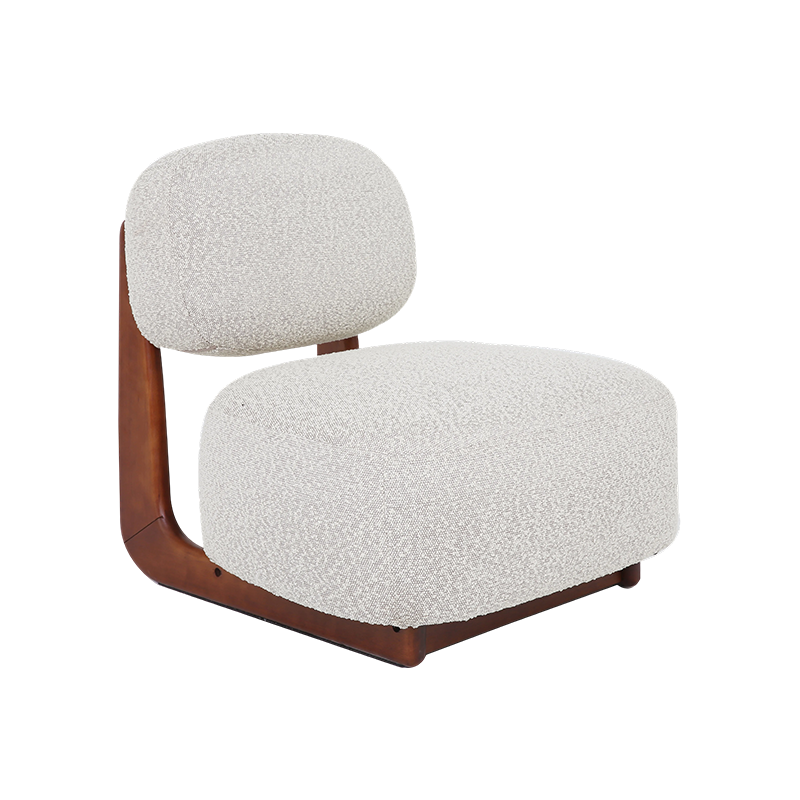 ISLA White Boucle Fabric, Wooden Base, Armless Oversized Decorative Chair / Recliner
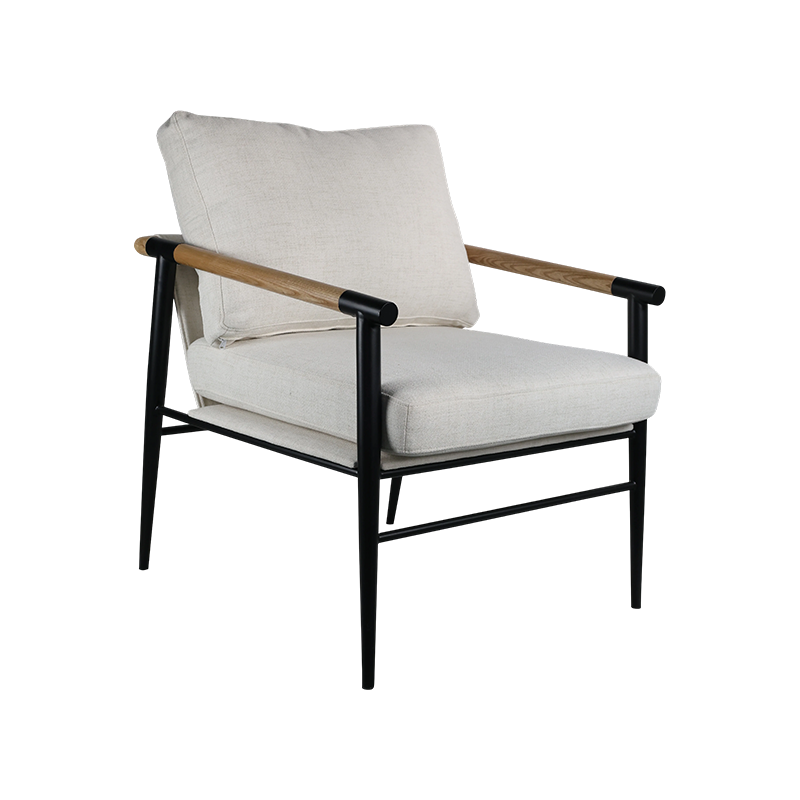 MIRANDA Metal Frame, Wooden Armrests, Minimalist Fabric Upholstered Chair
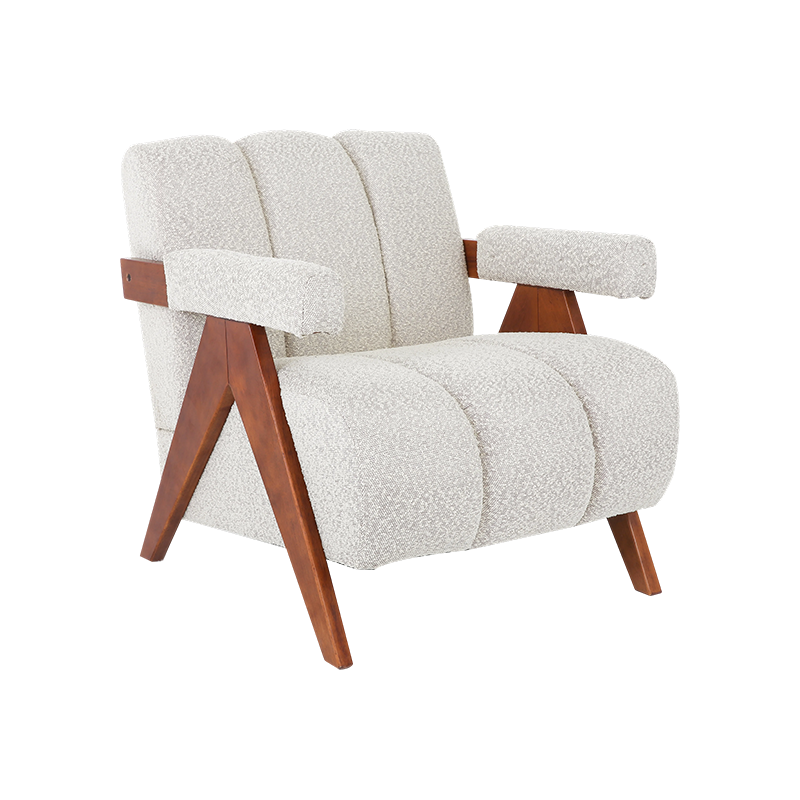 ISLABELLA Rubber Wood Frame with Boucle Fabric, Stylish Lounge Chair
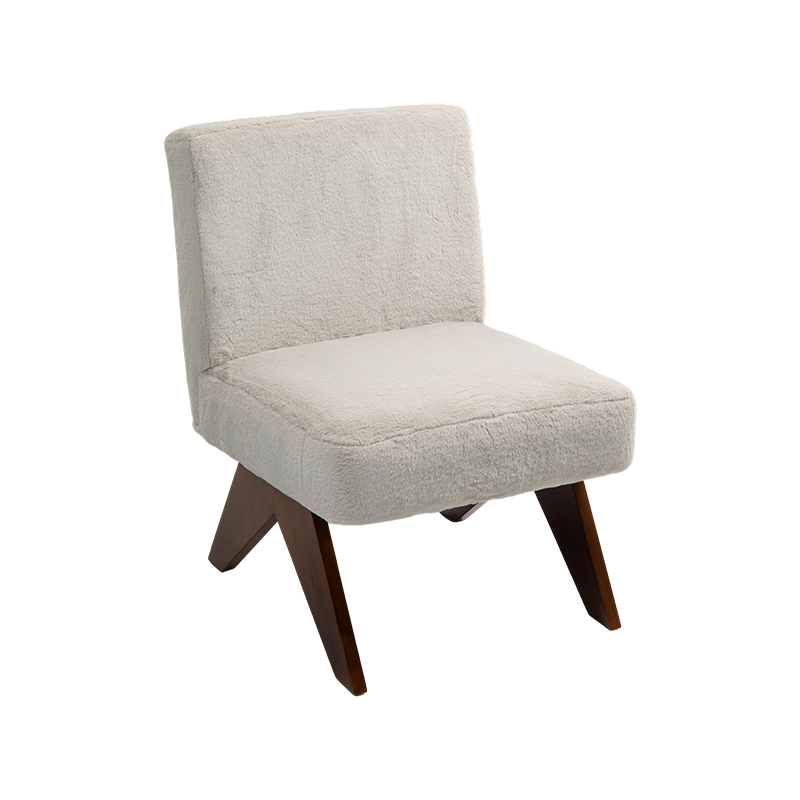 ATTICUS Armless Accent Chair with Loop Velvet Fabric, Rubber Wood Legs in Walnut Finishing
Kangyi Road, Kangshan Industrial Park, Dipu Subdistrict, Anji County, Zhejiang Province, China 313300
Copyright © Anji Partner Furniture Co., Ltd. All Rights Reserved.
Custom Armchairs and Accent Chairs

 Prev
Prev